
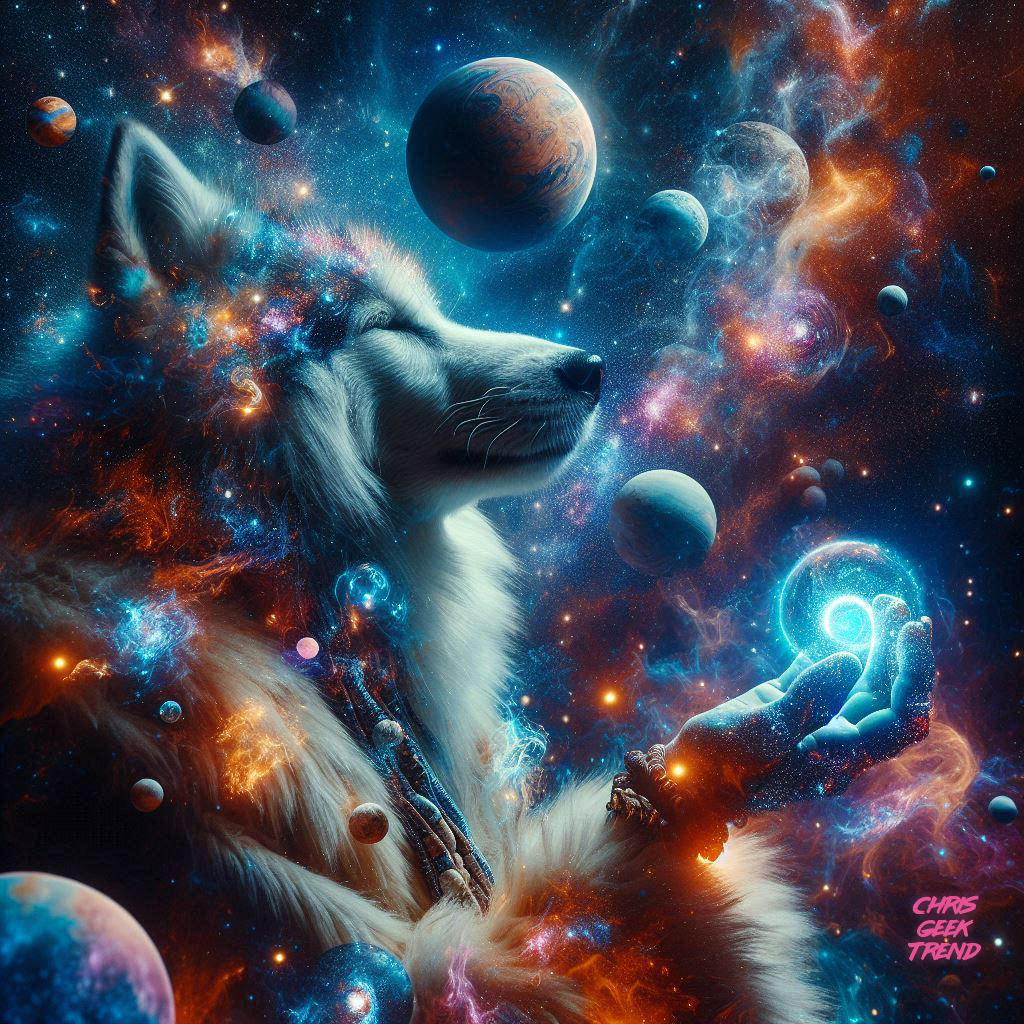
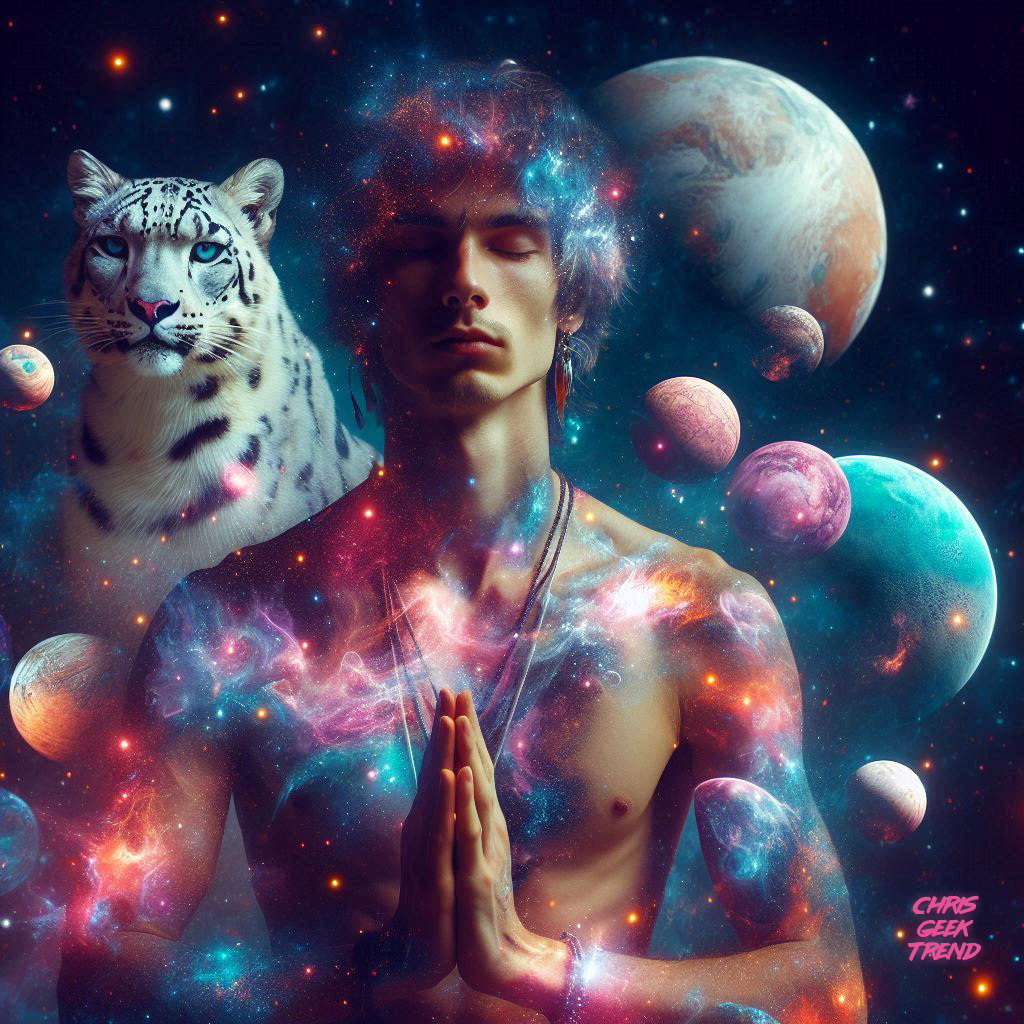
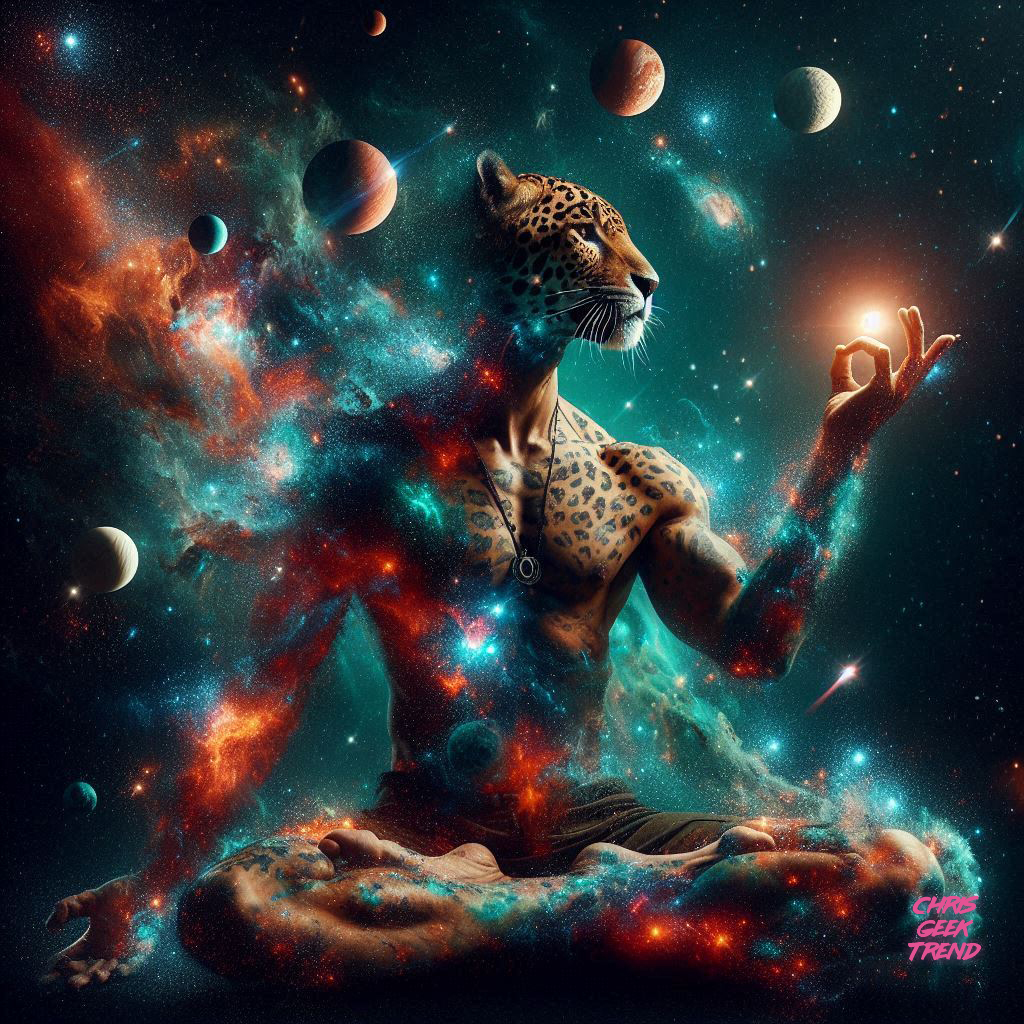
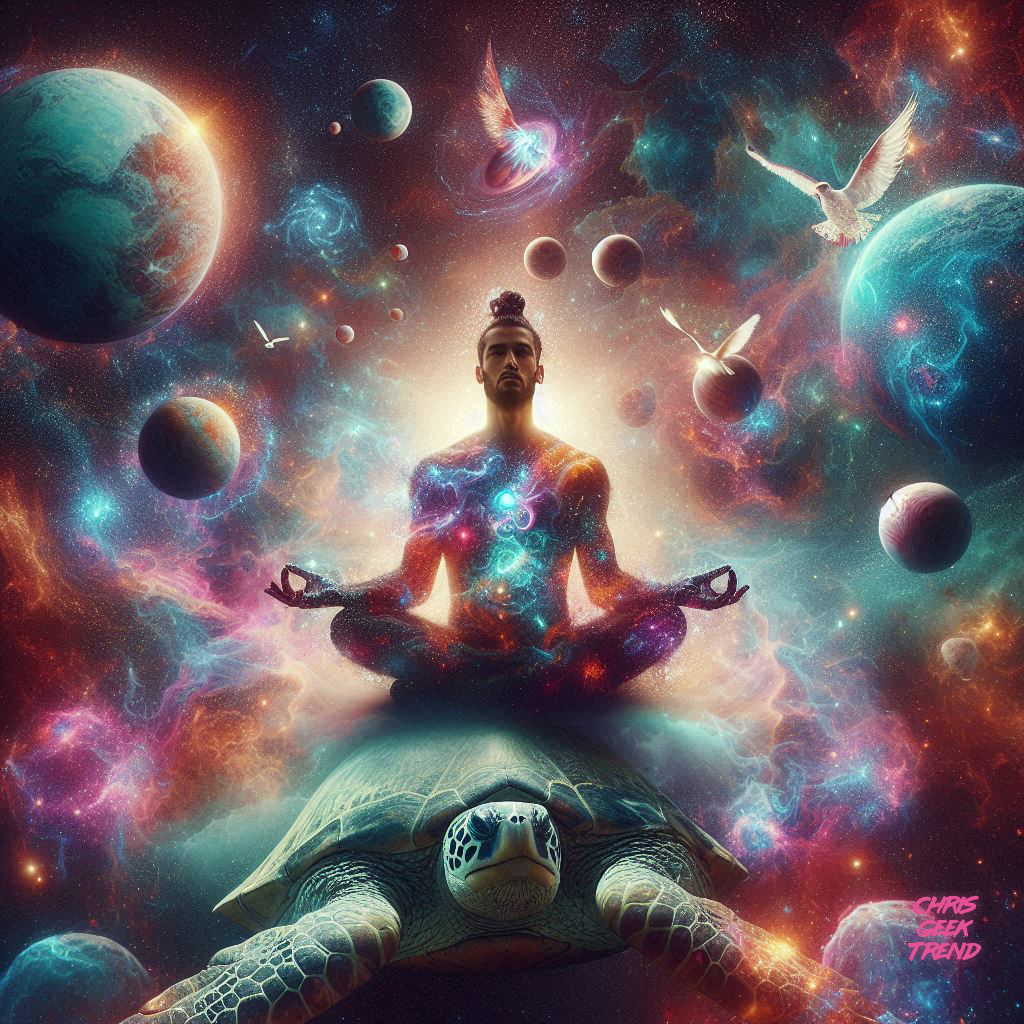





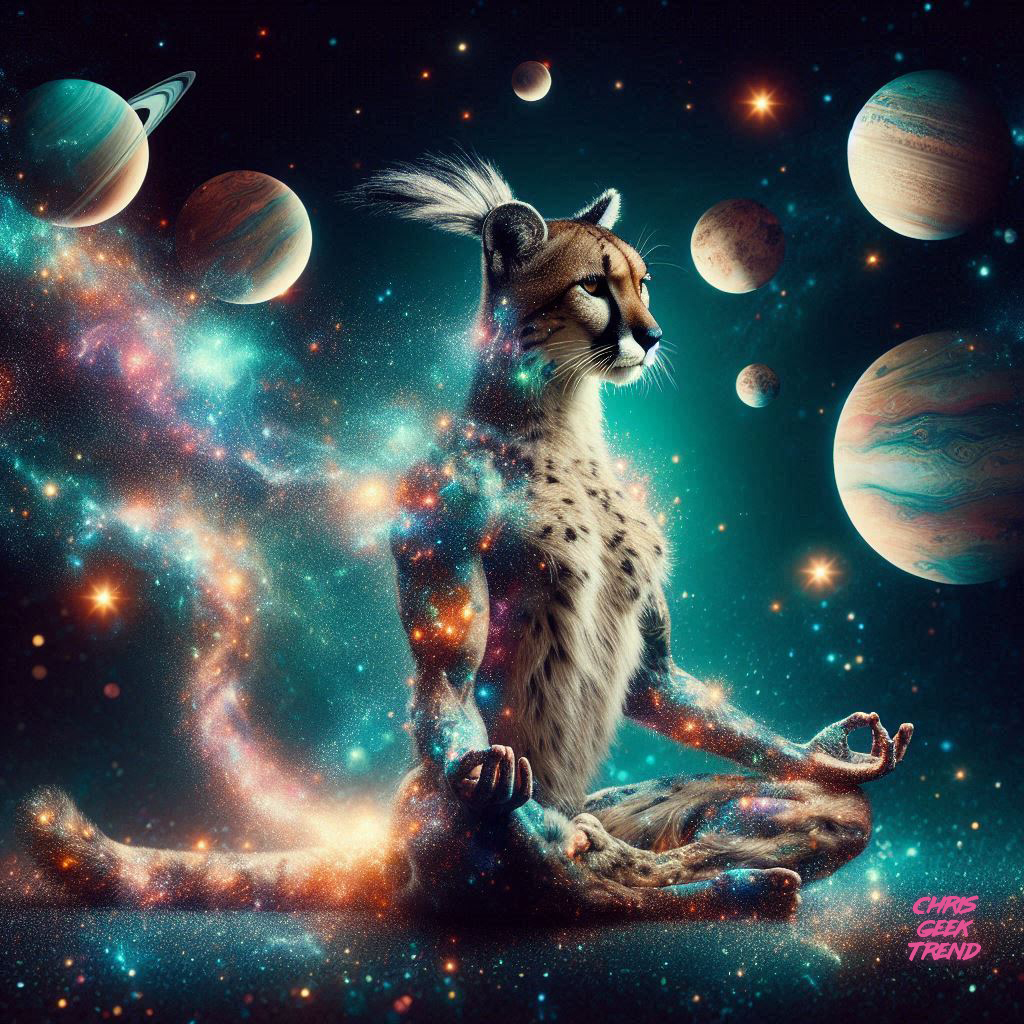




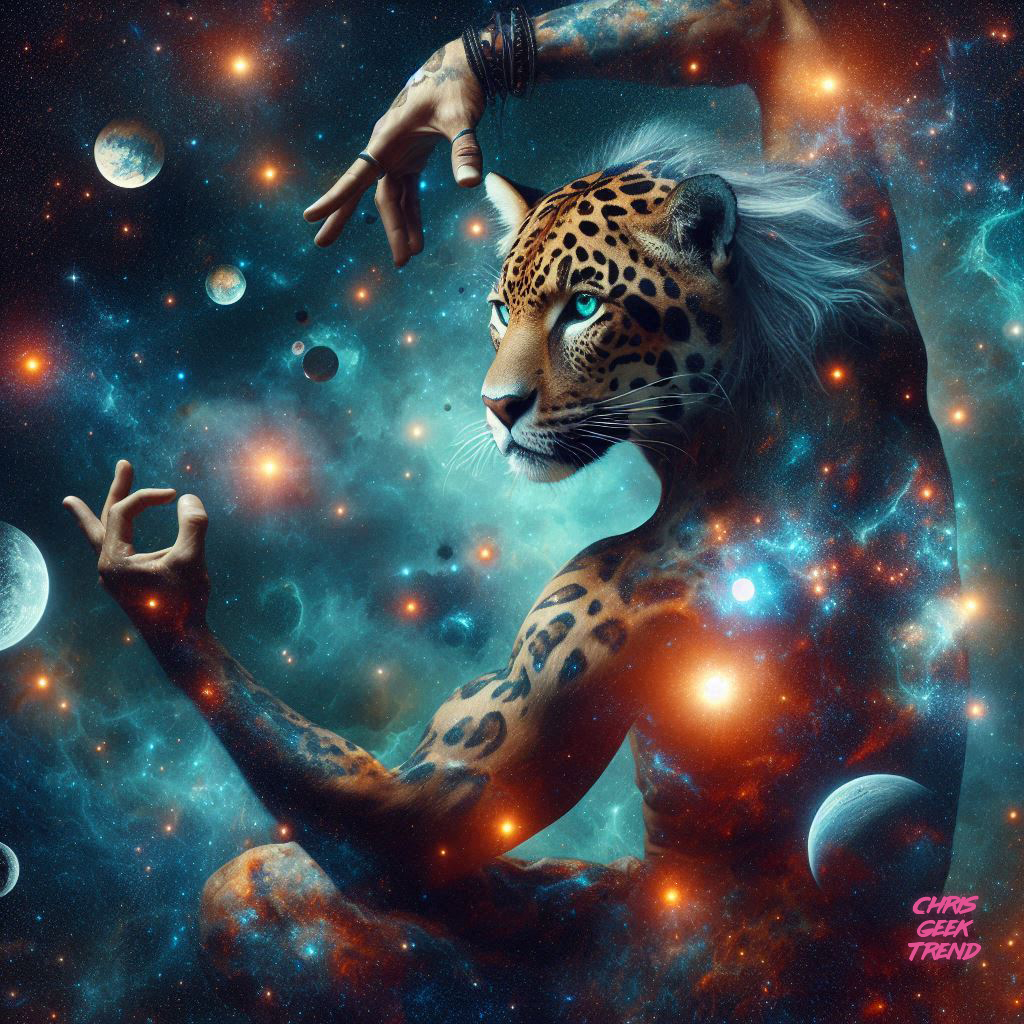


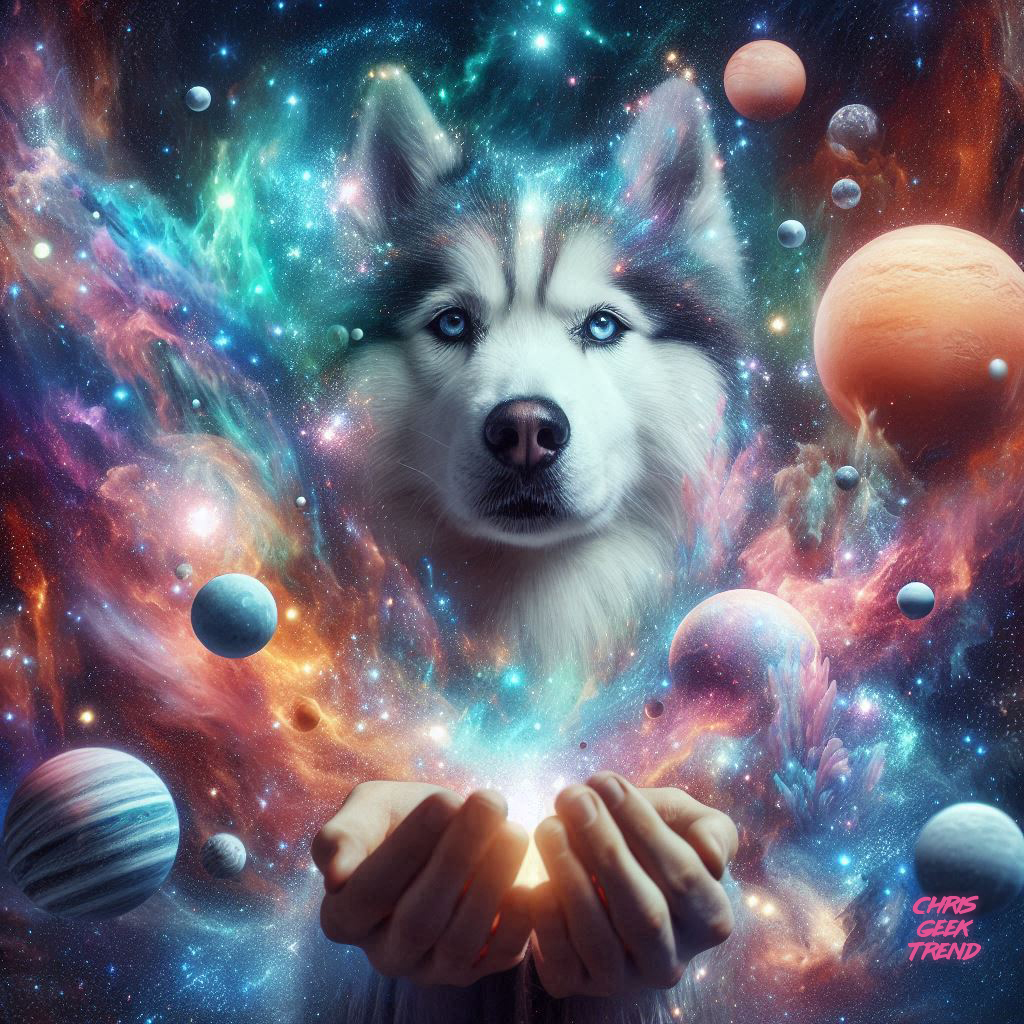
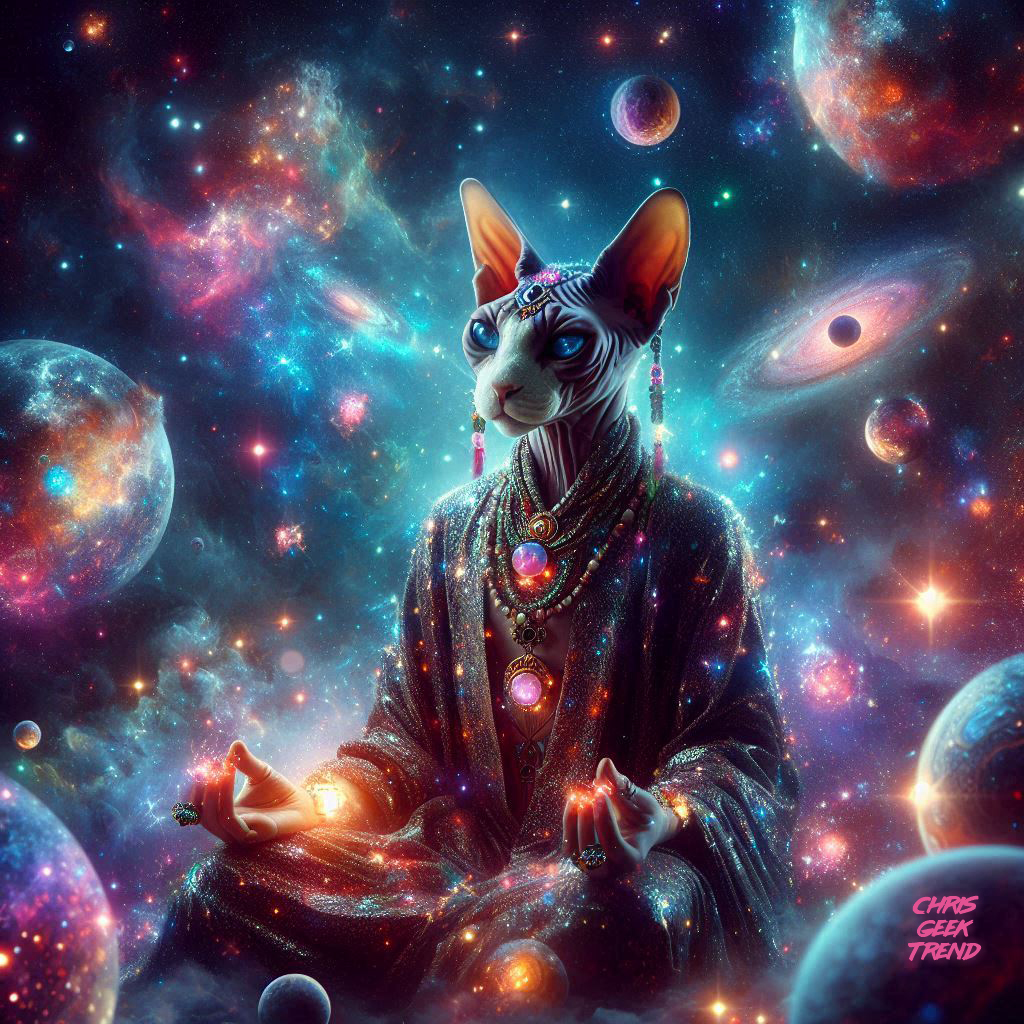
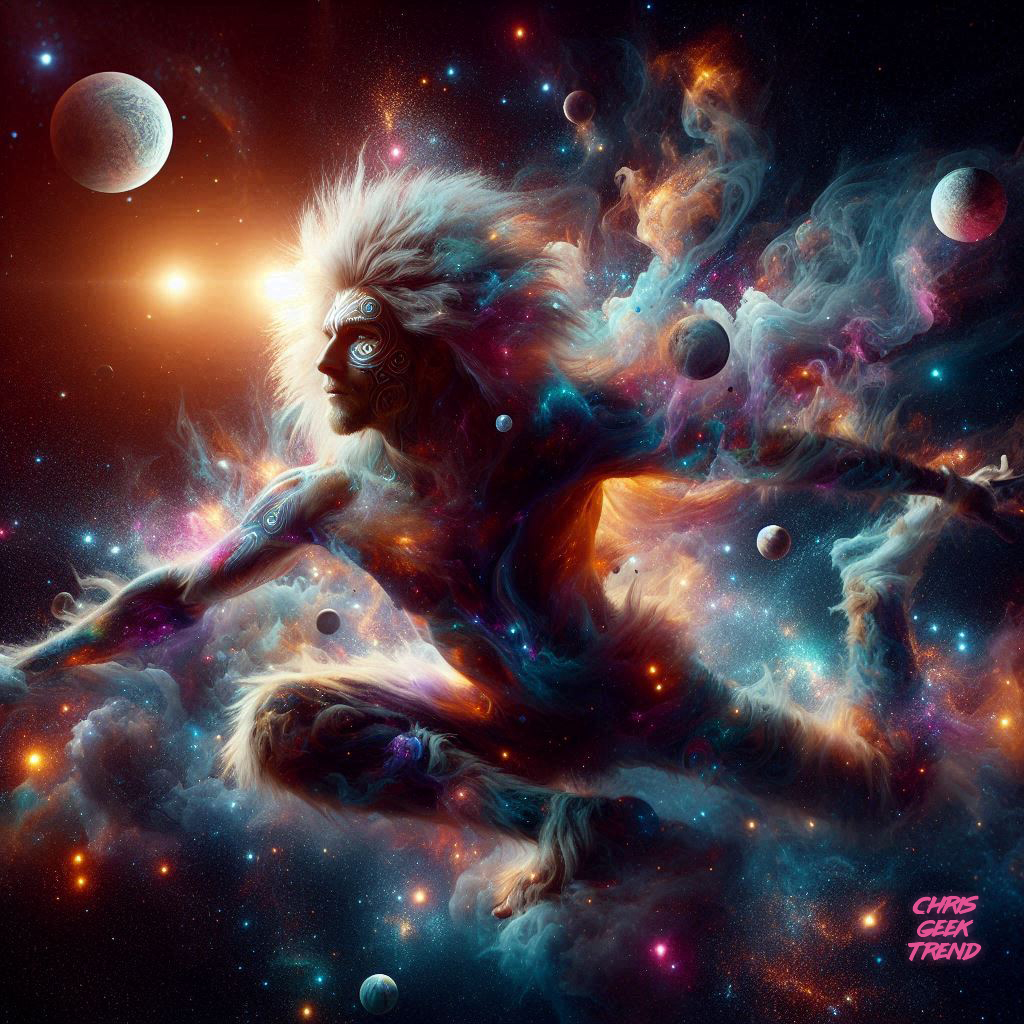
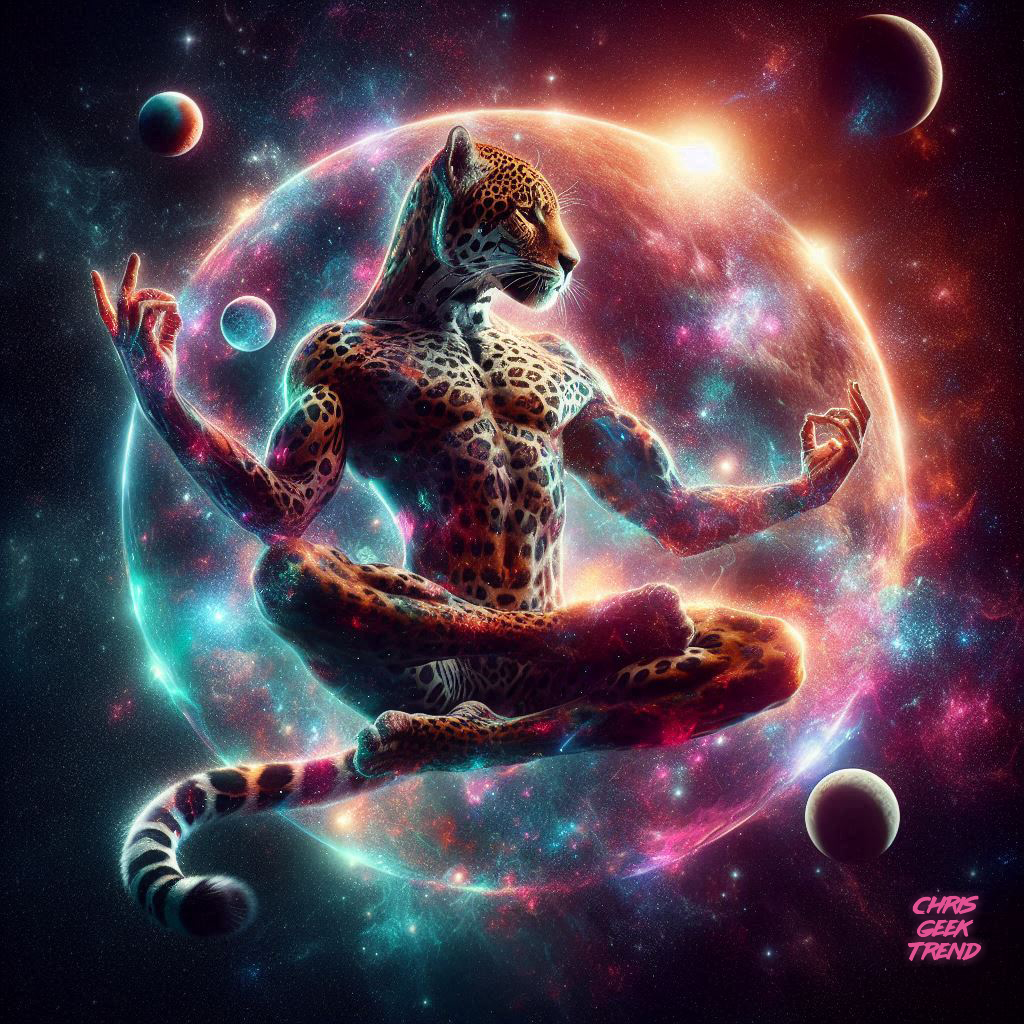
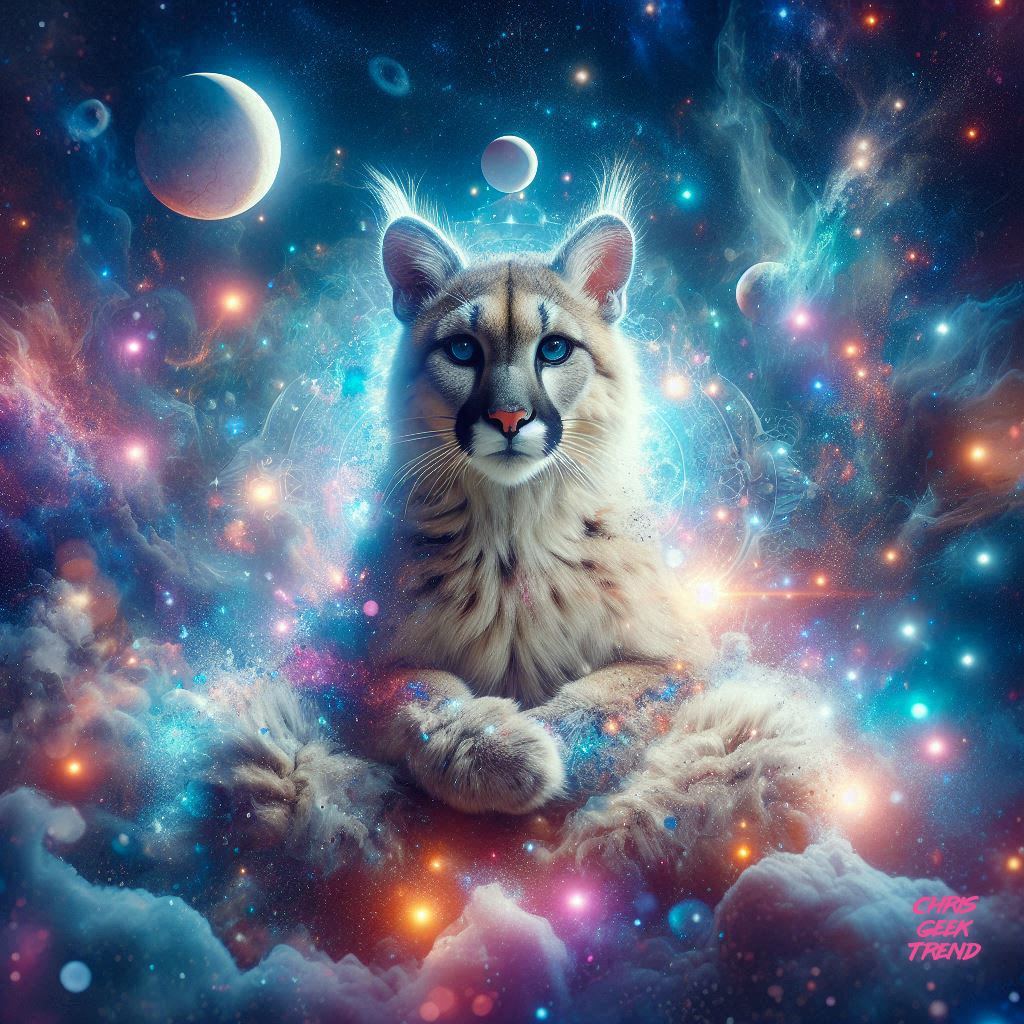
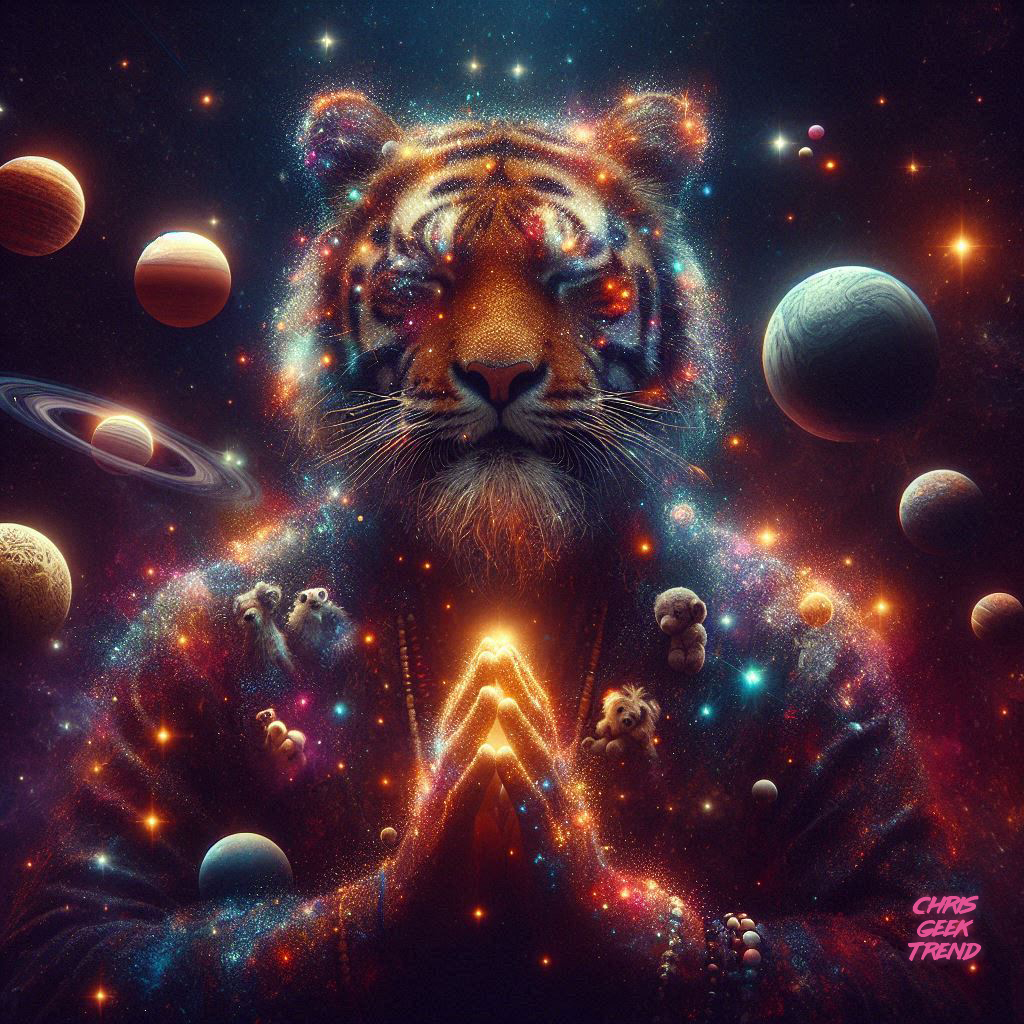




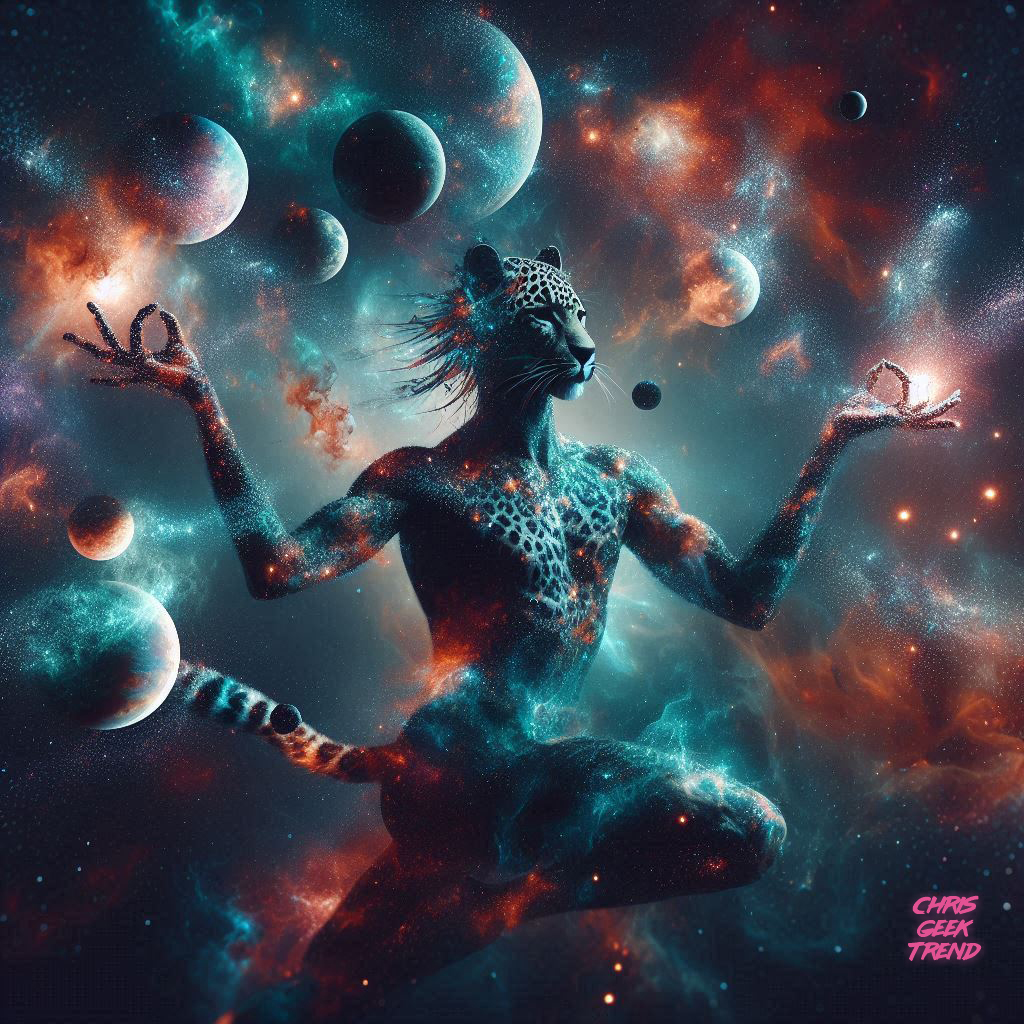


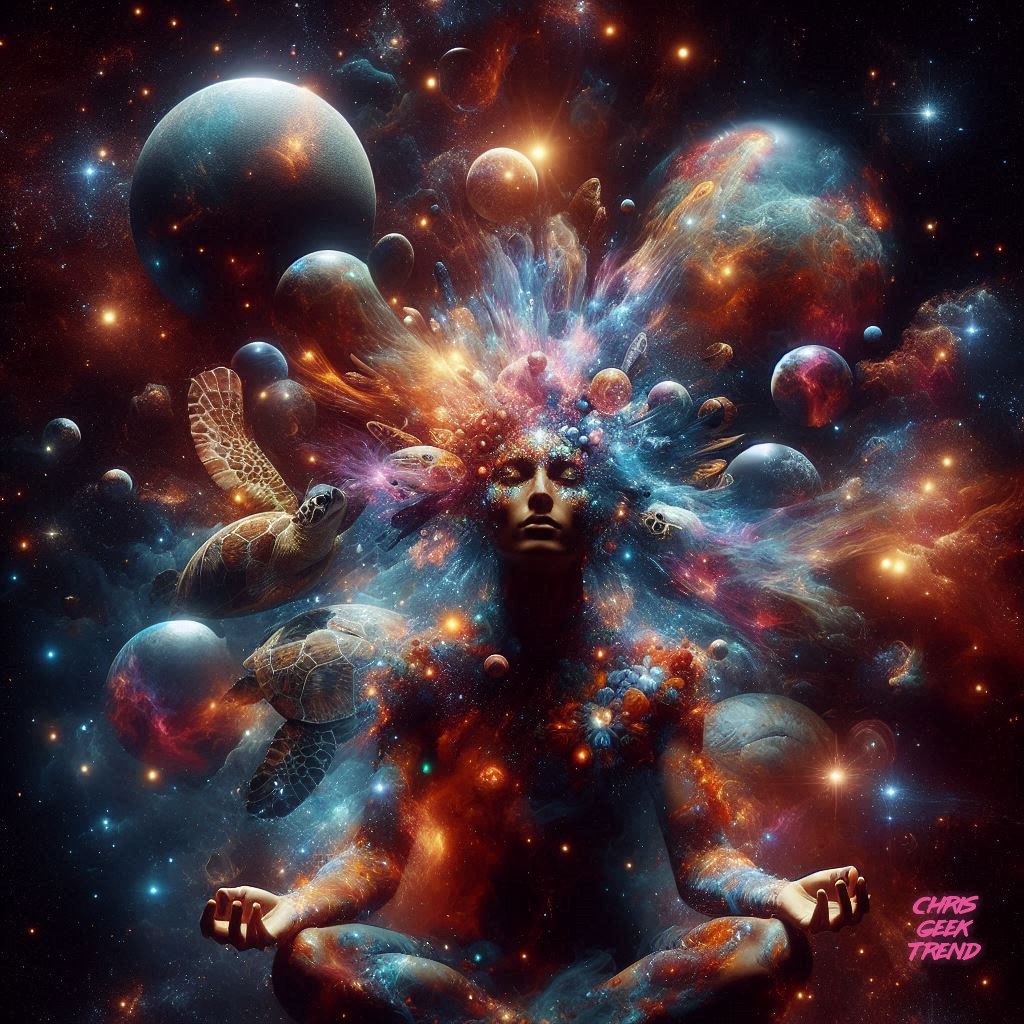
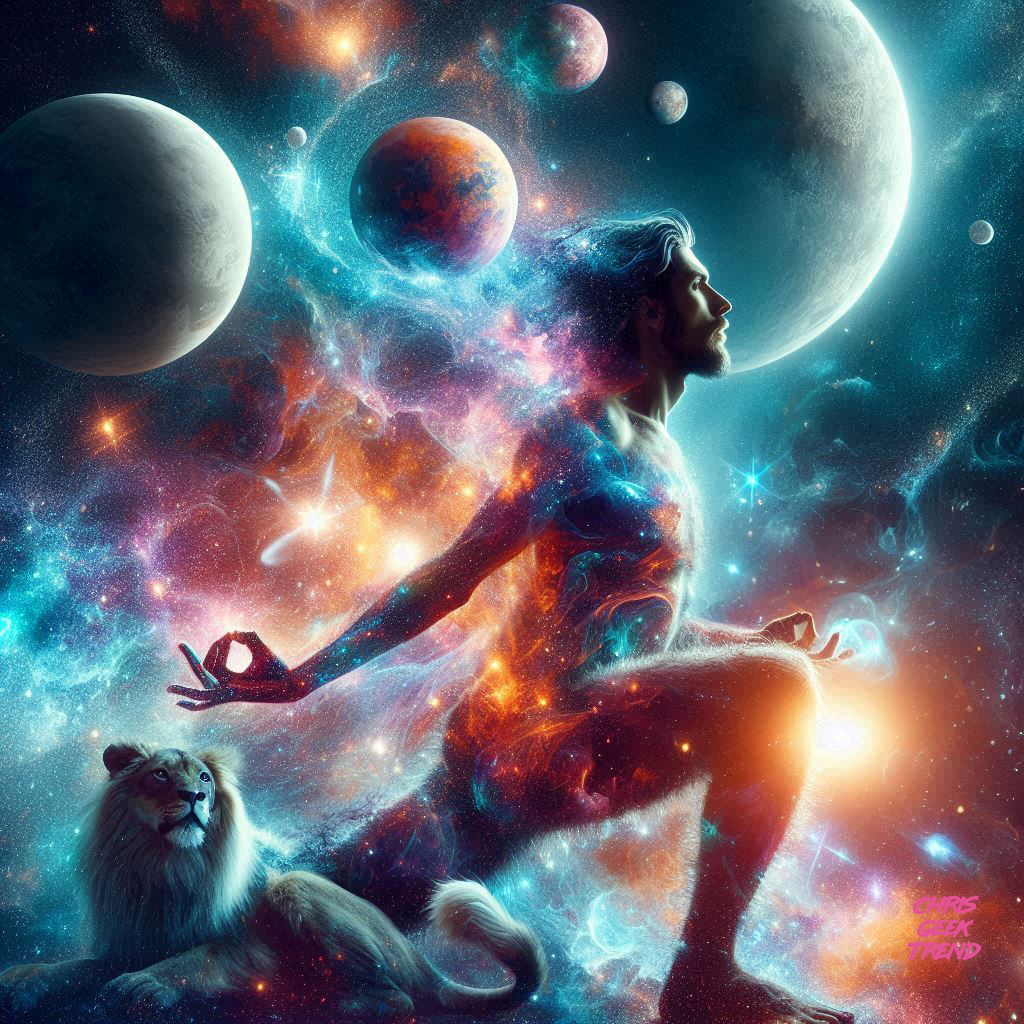


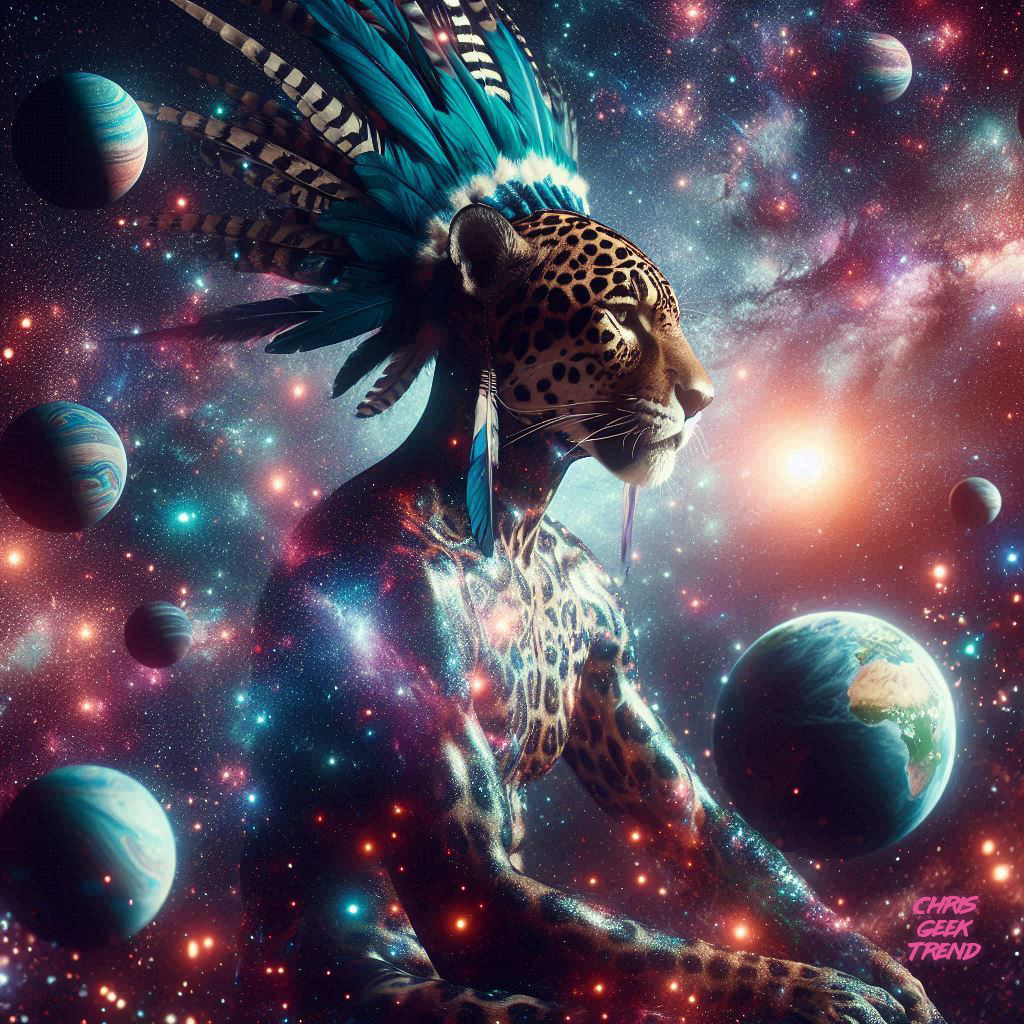
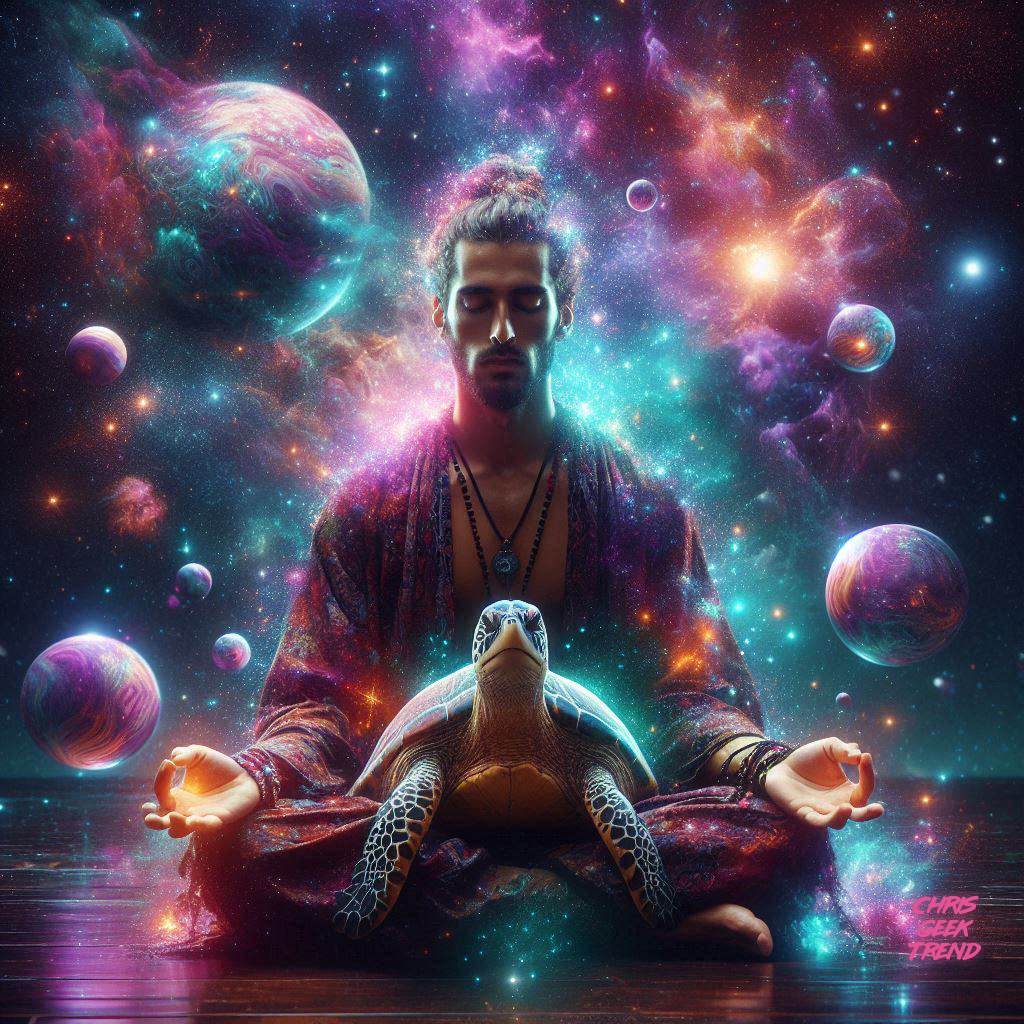


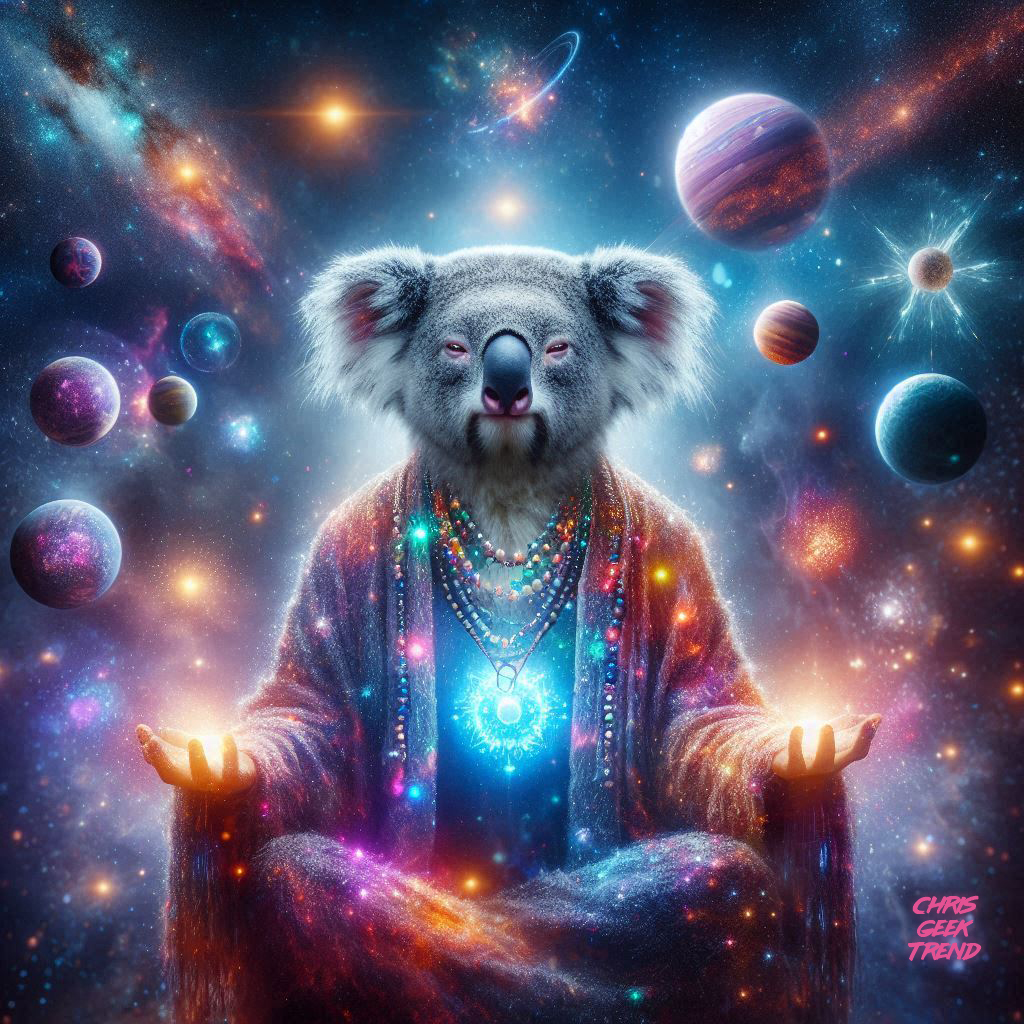


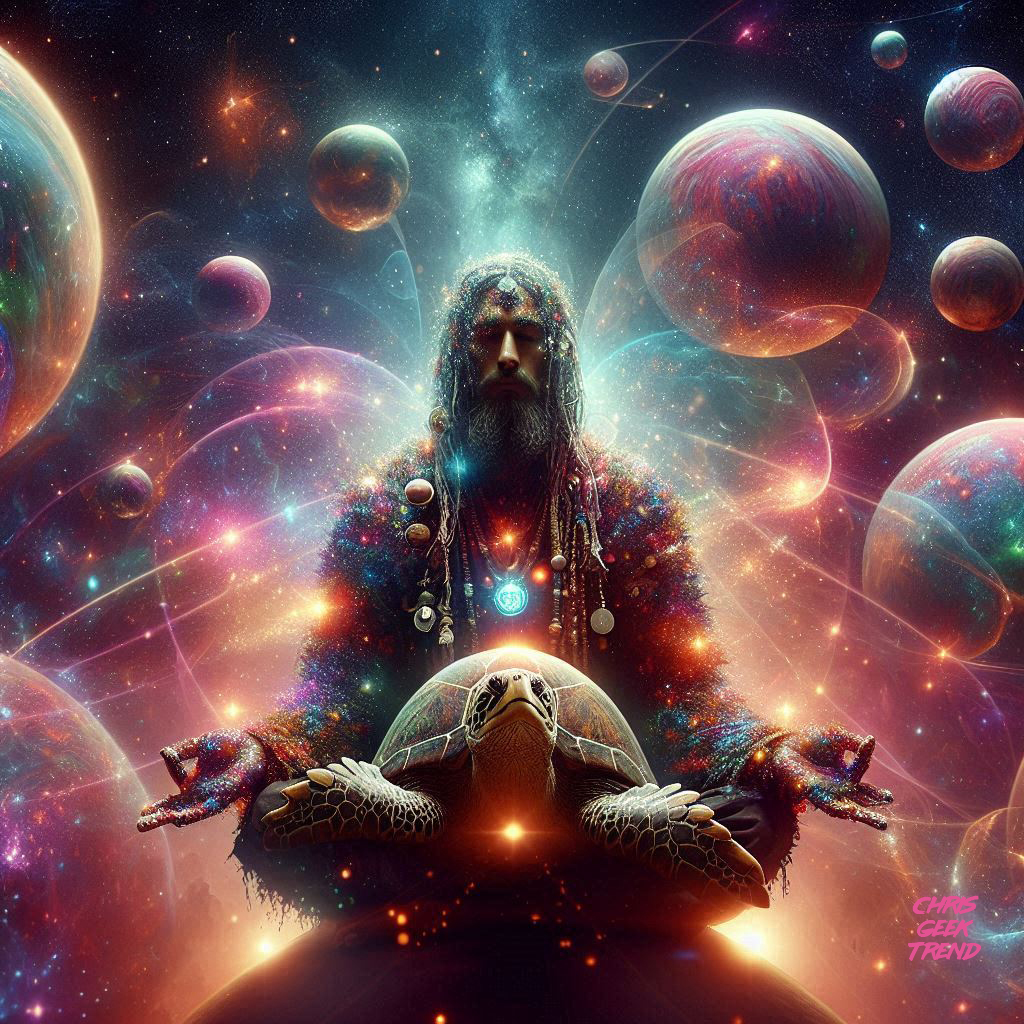
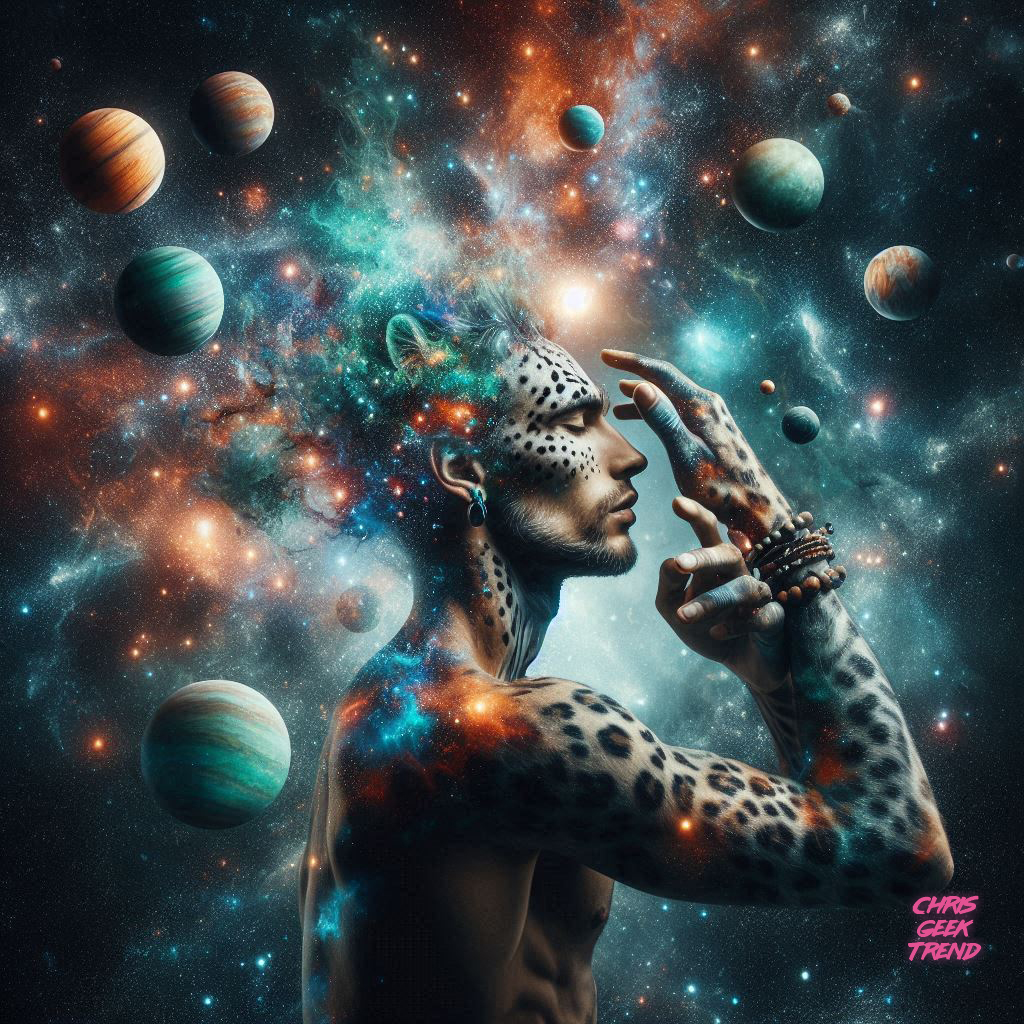
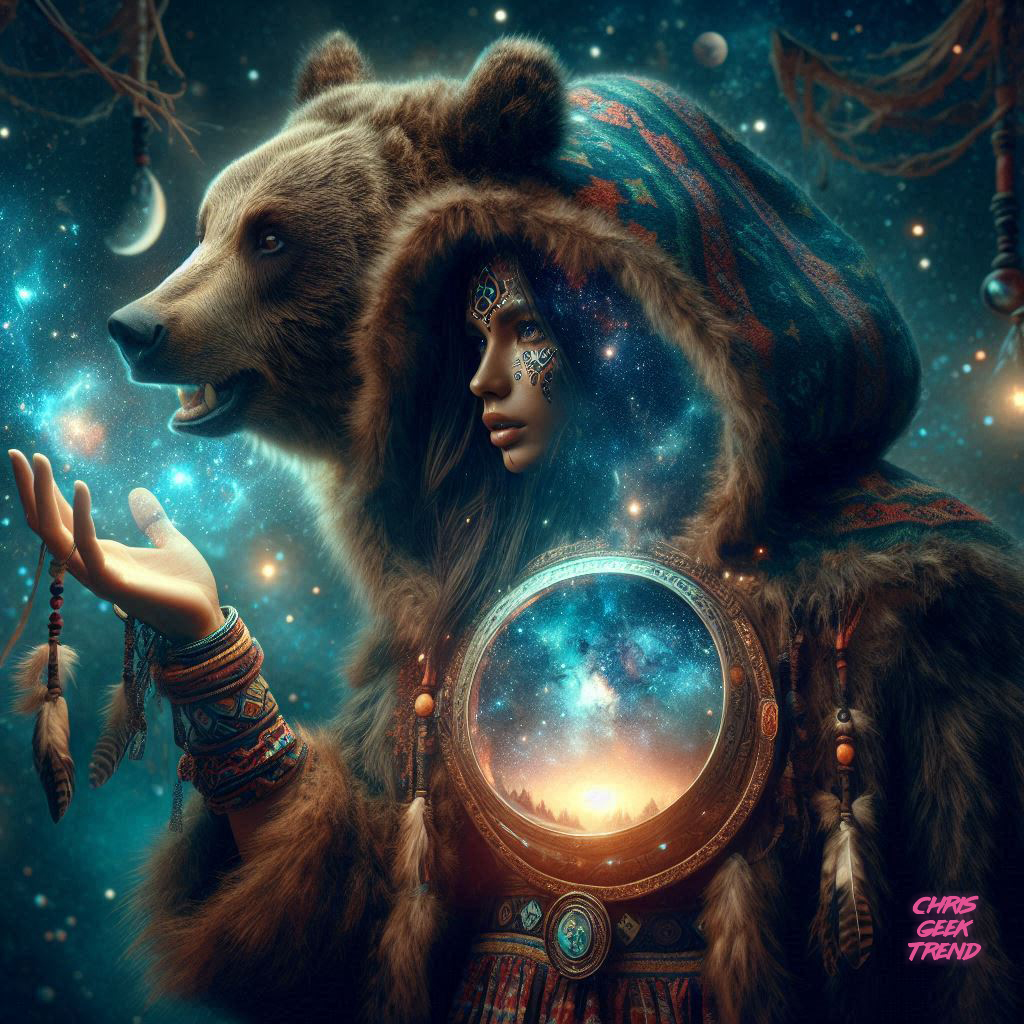

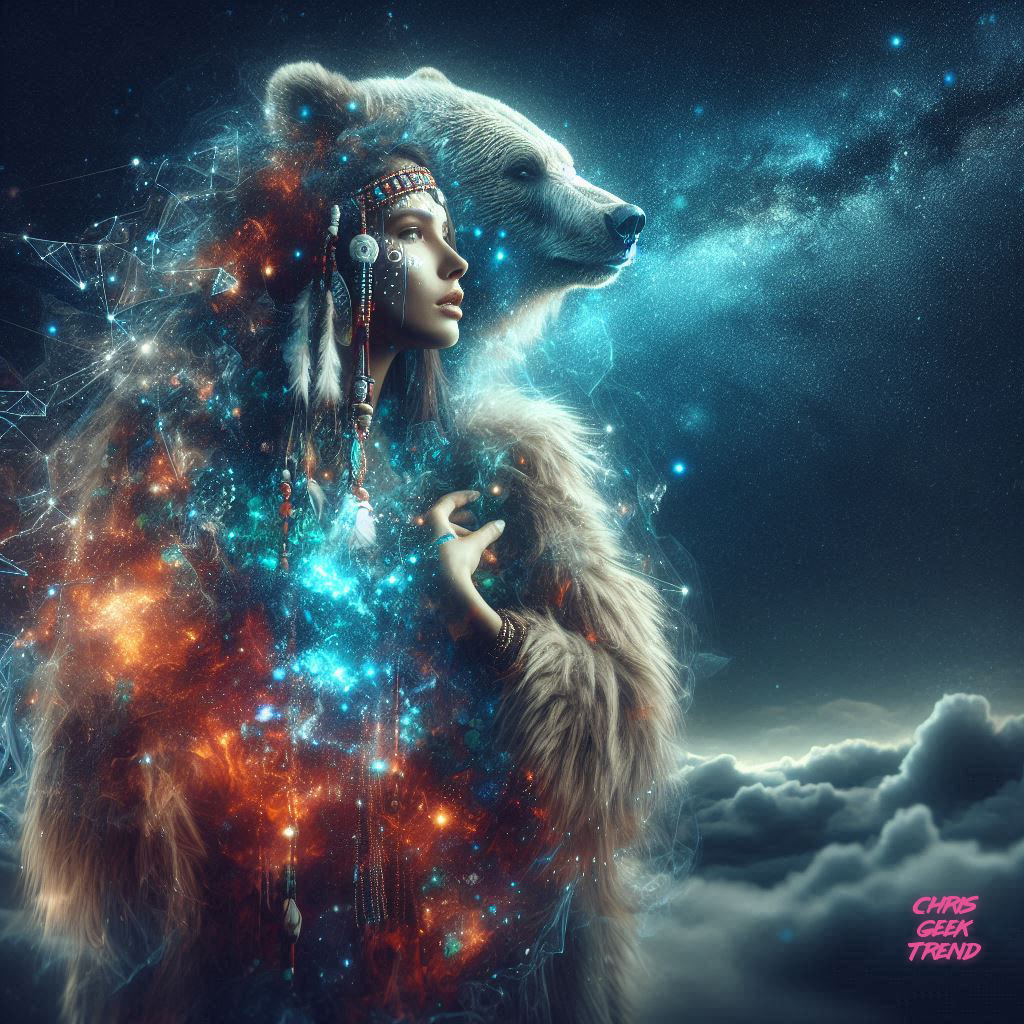
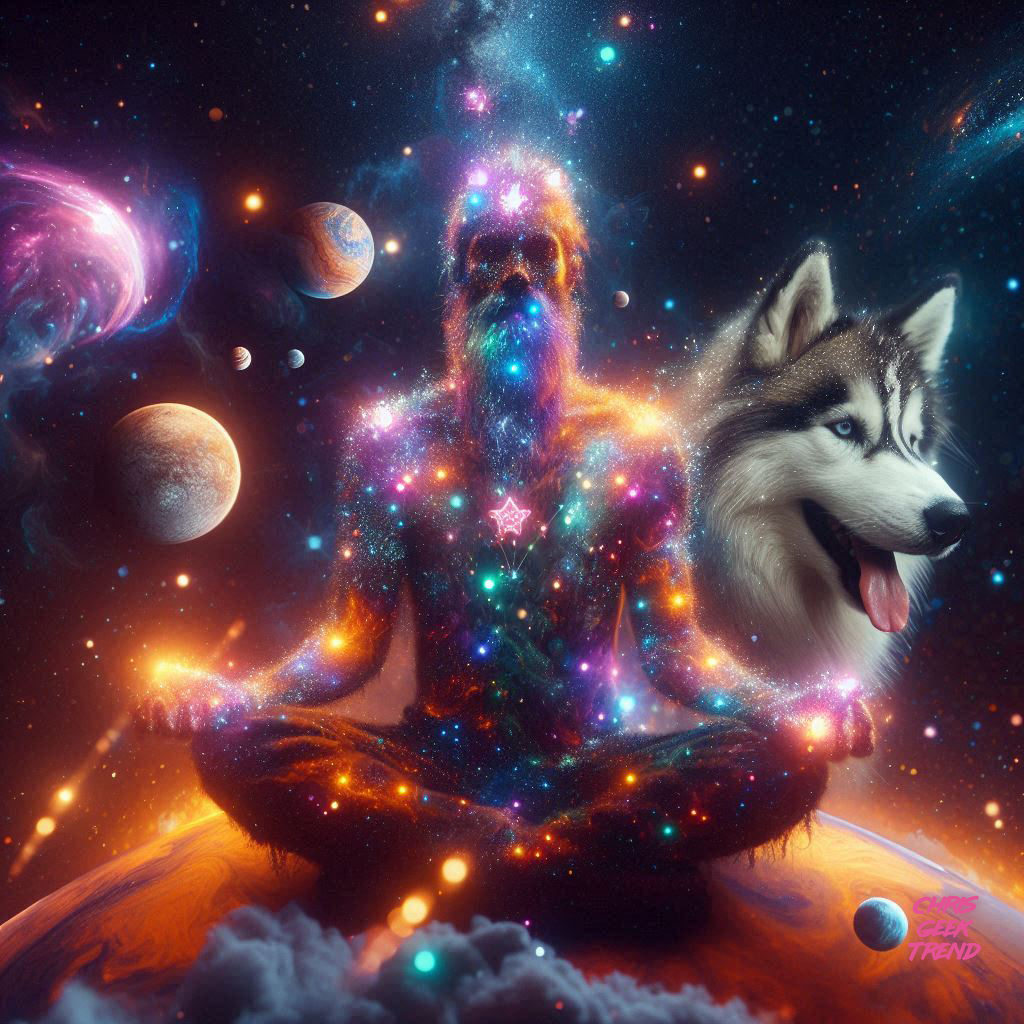
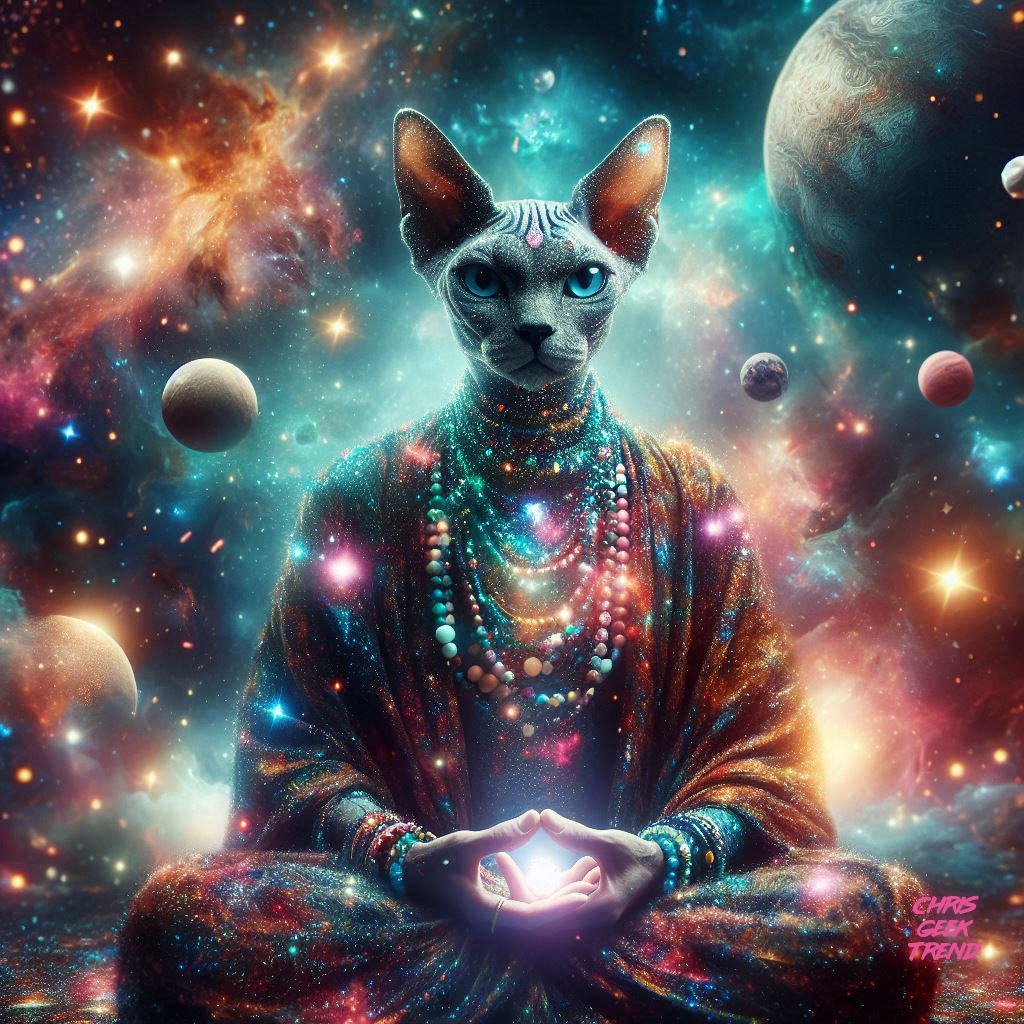
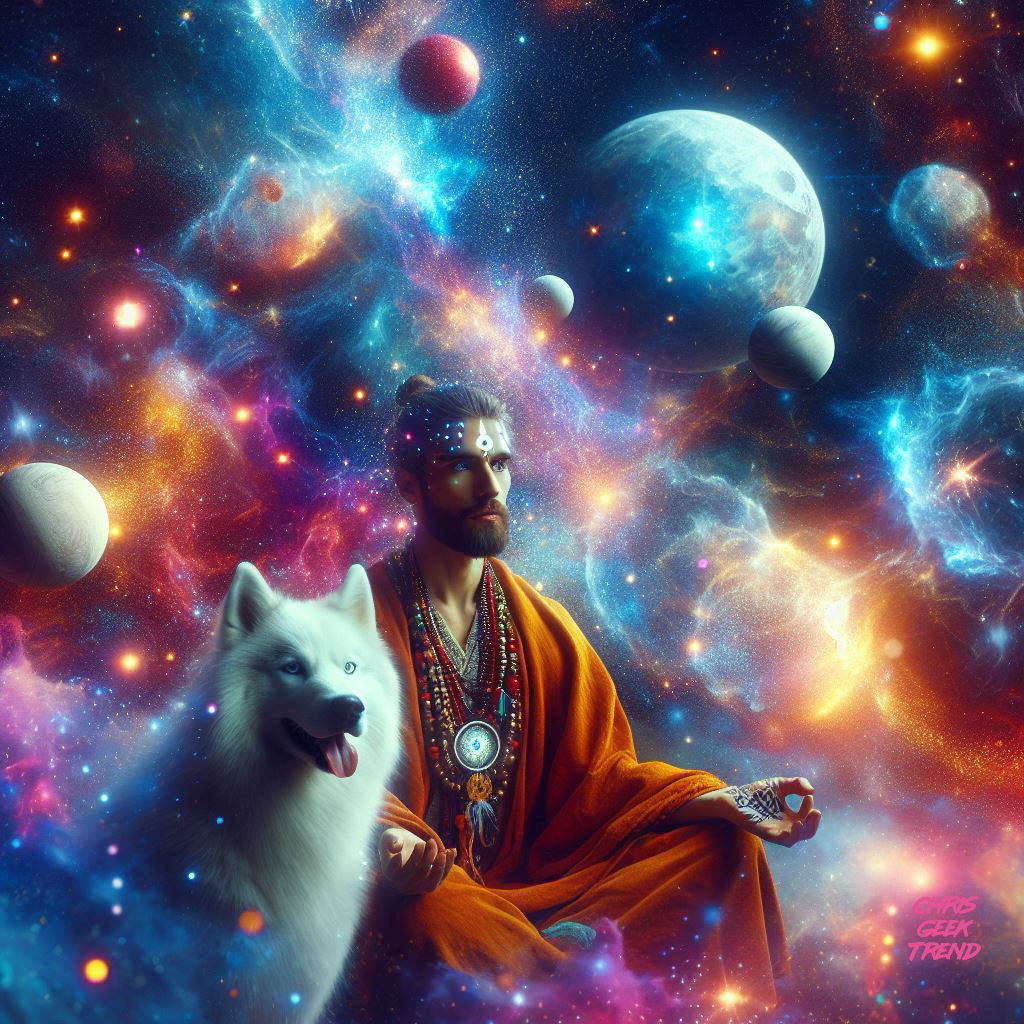

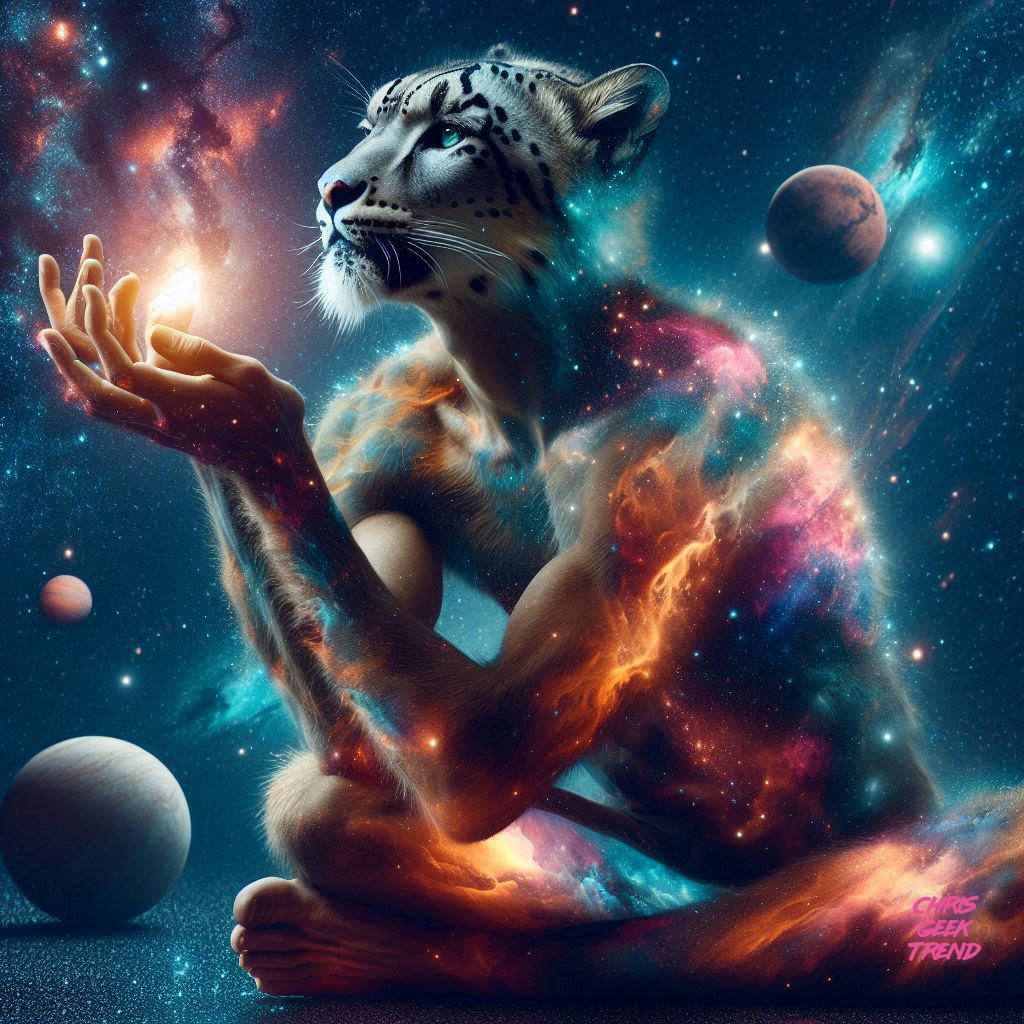
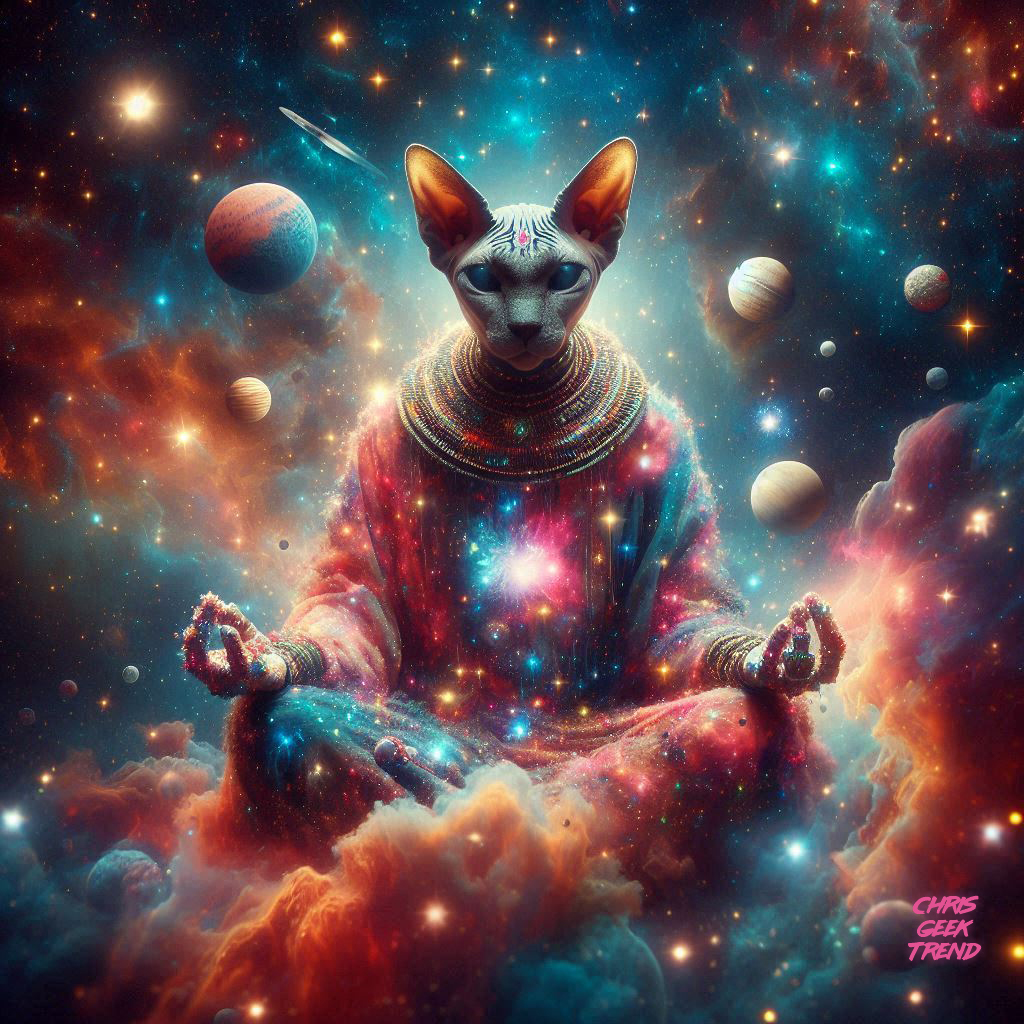

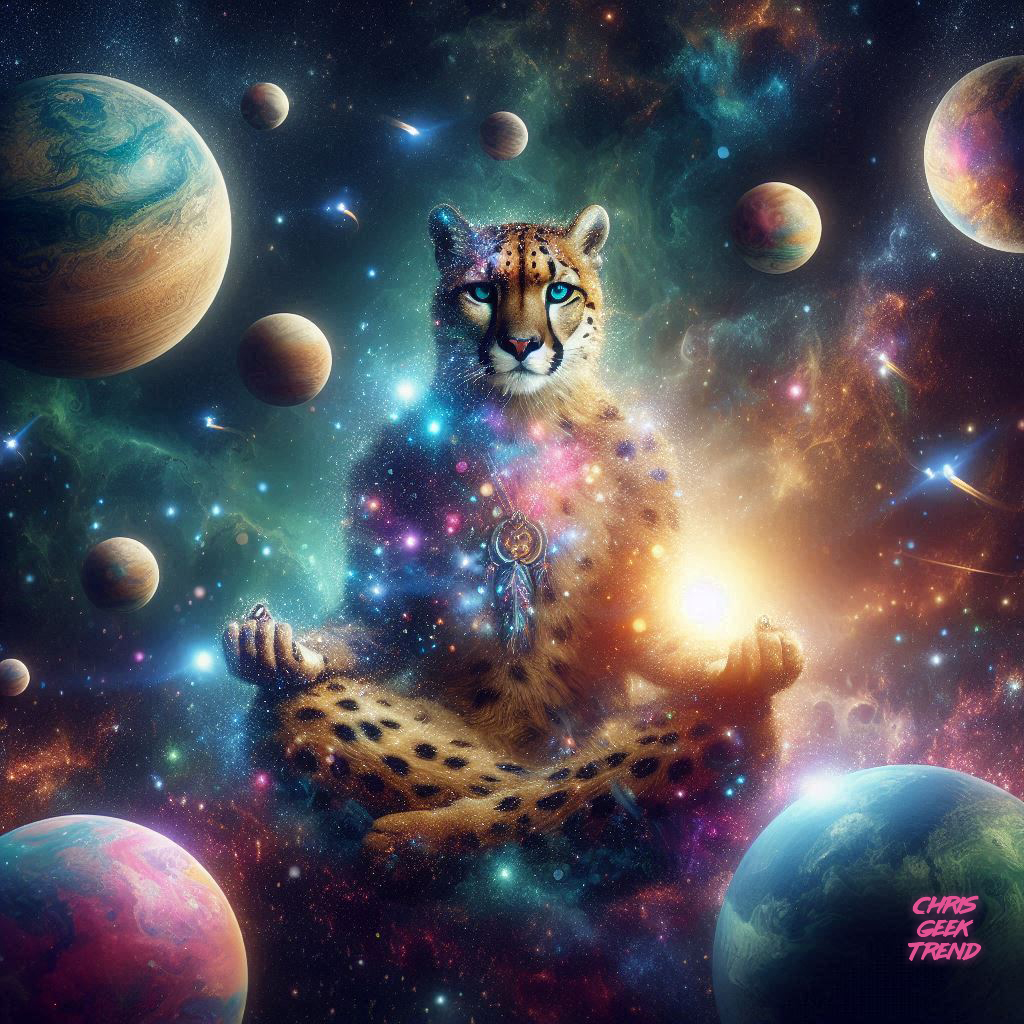






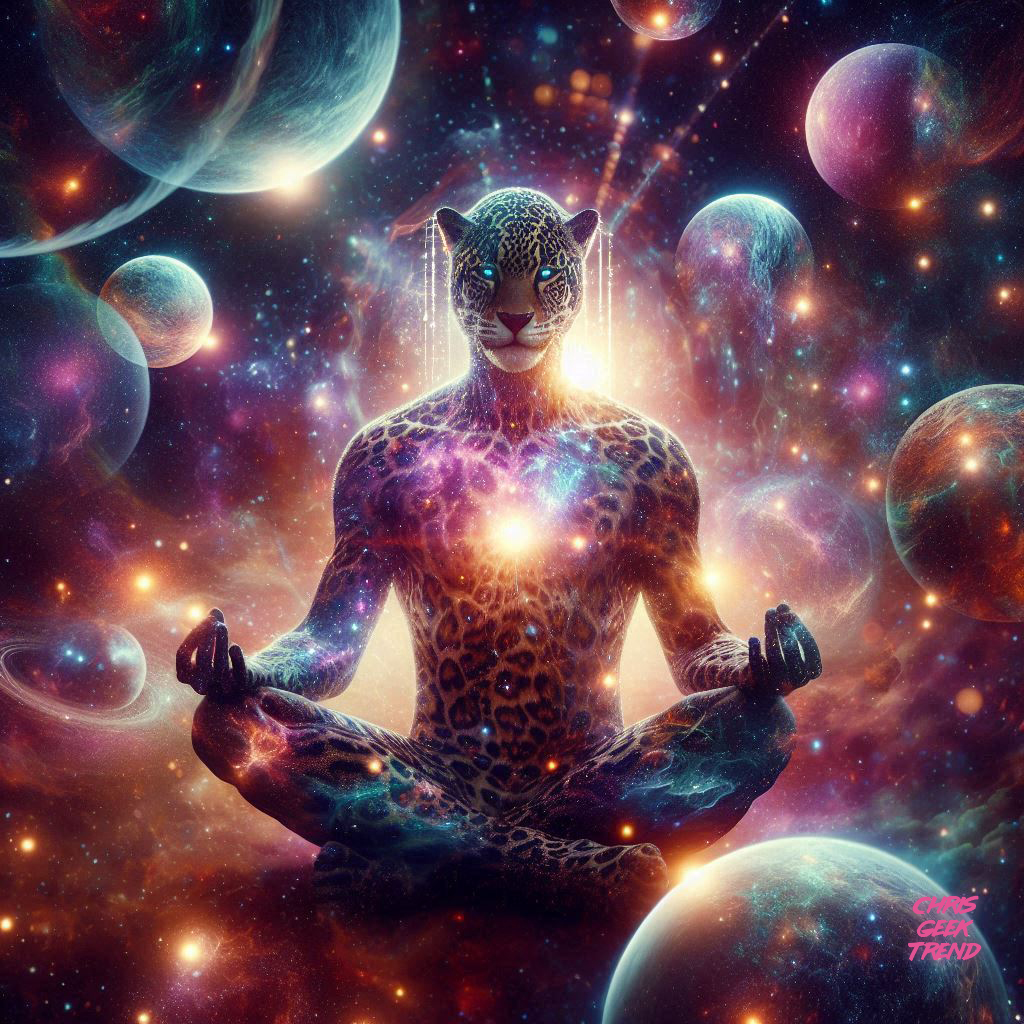
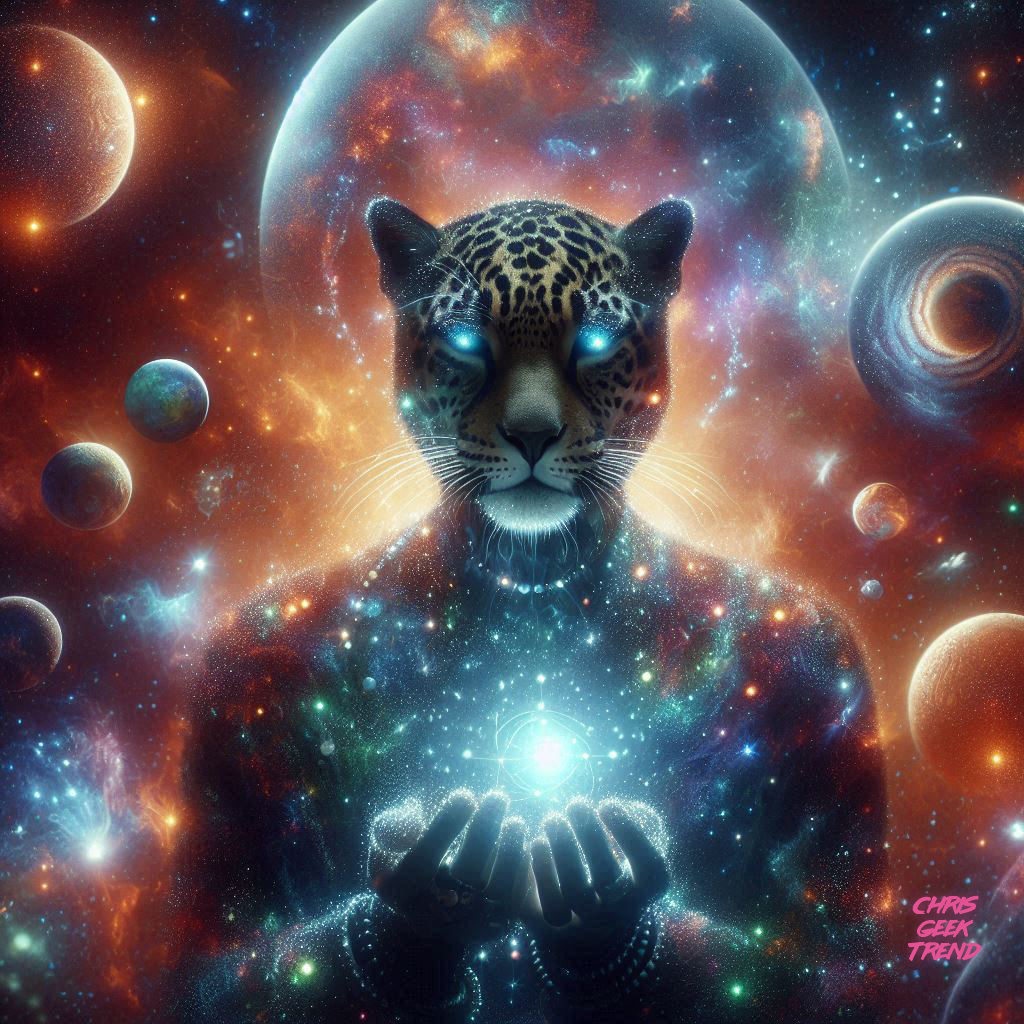
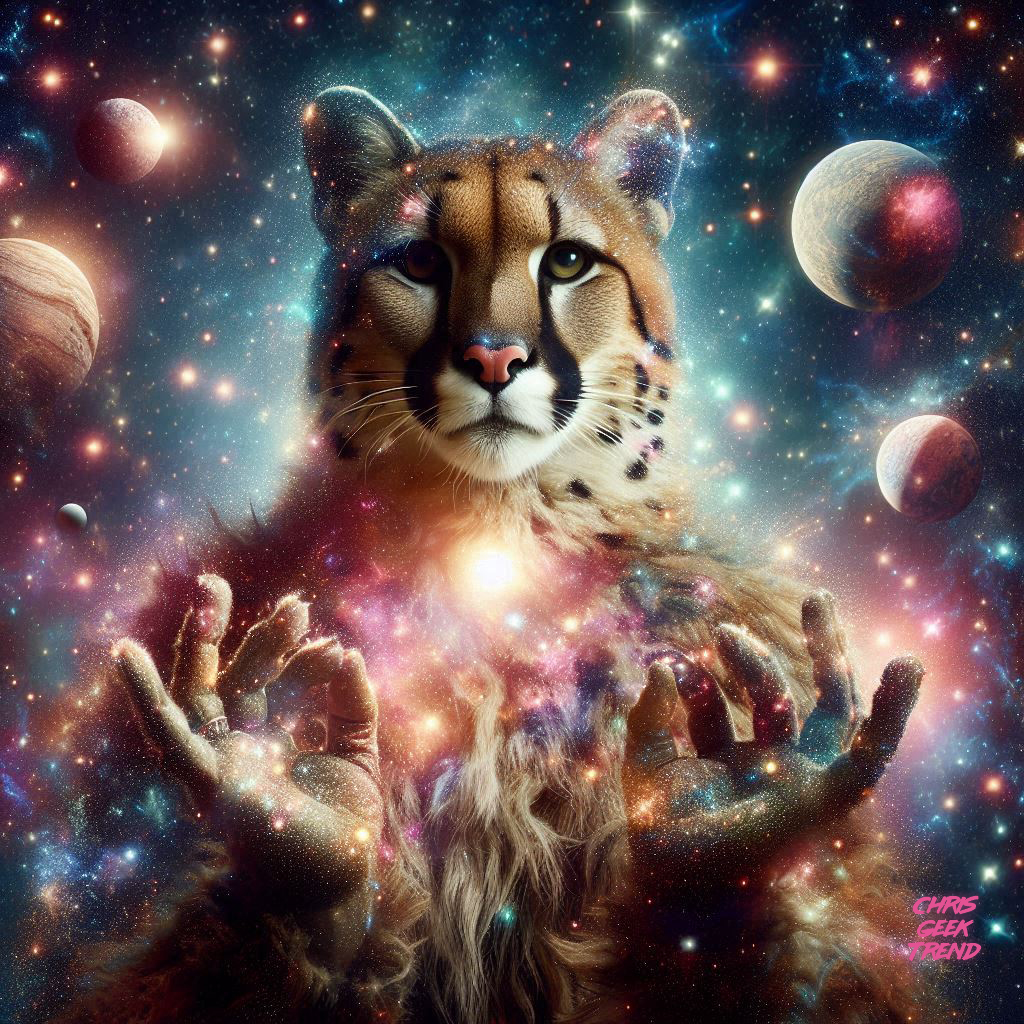

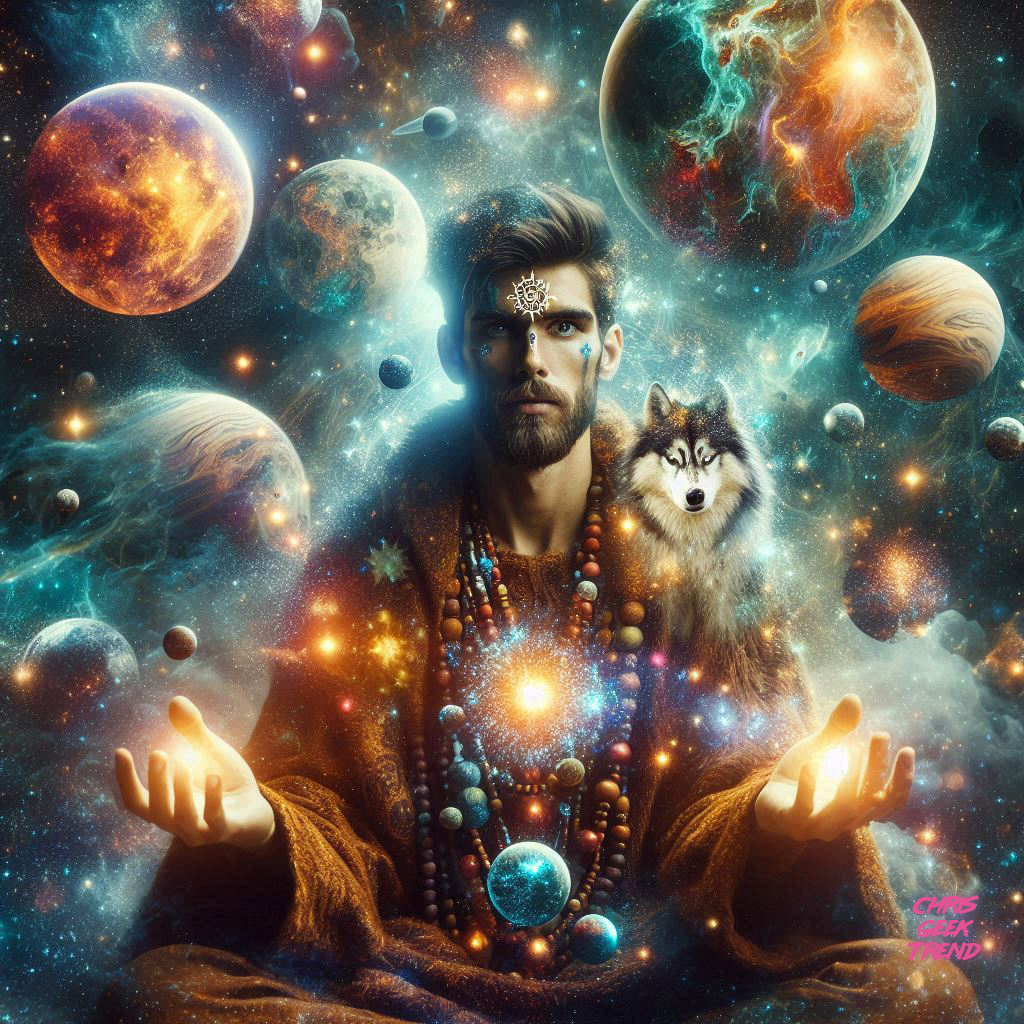

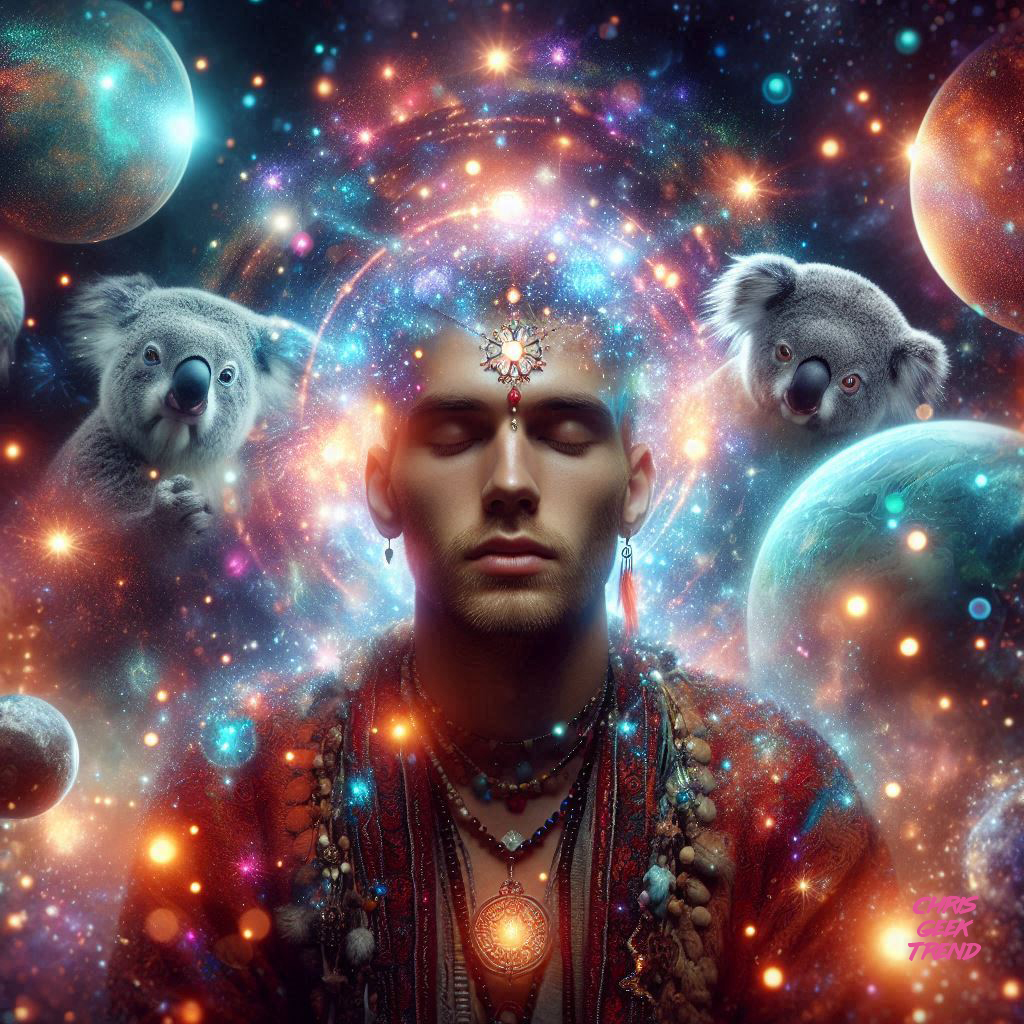

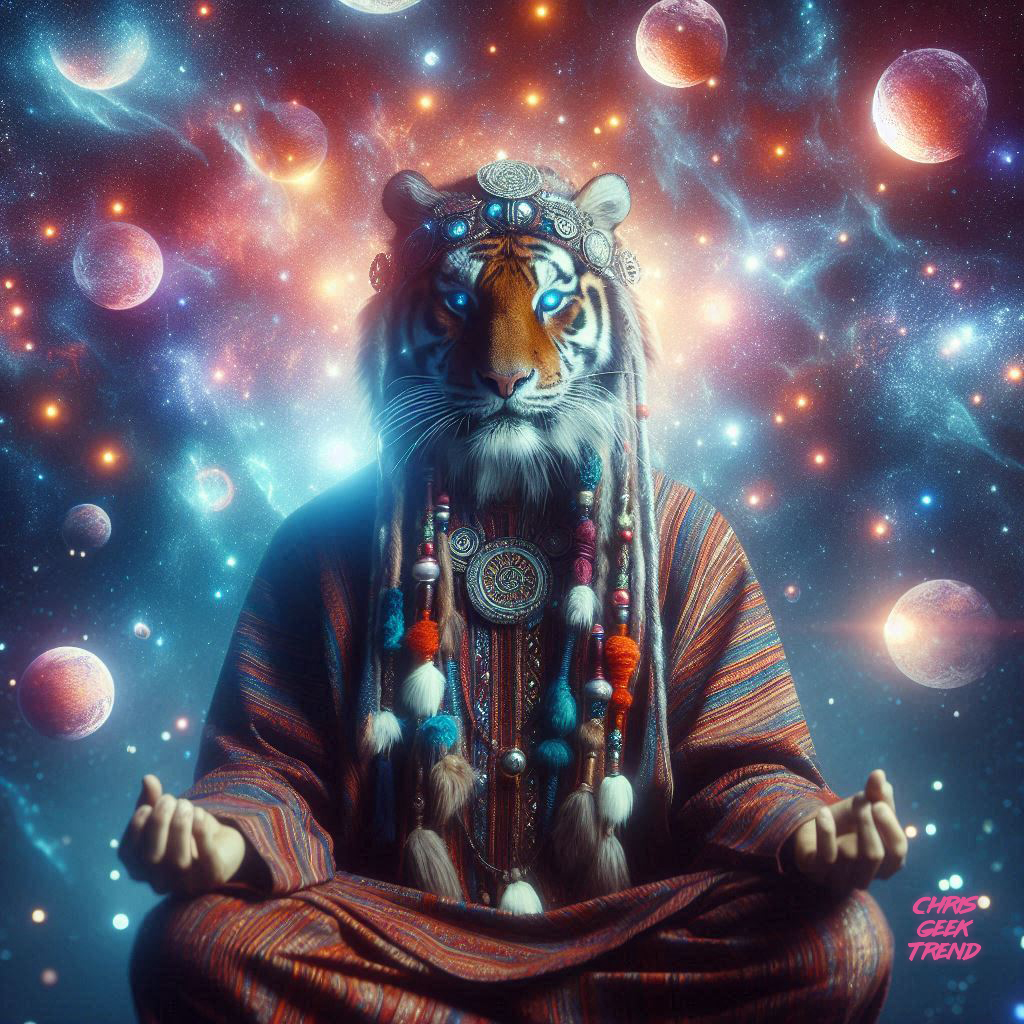

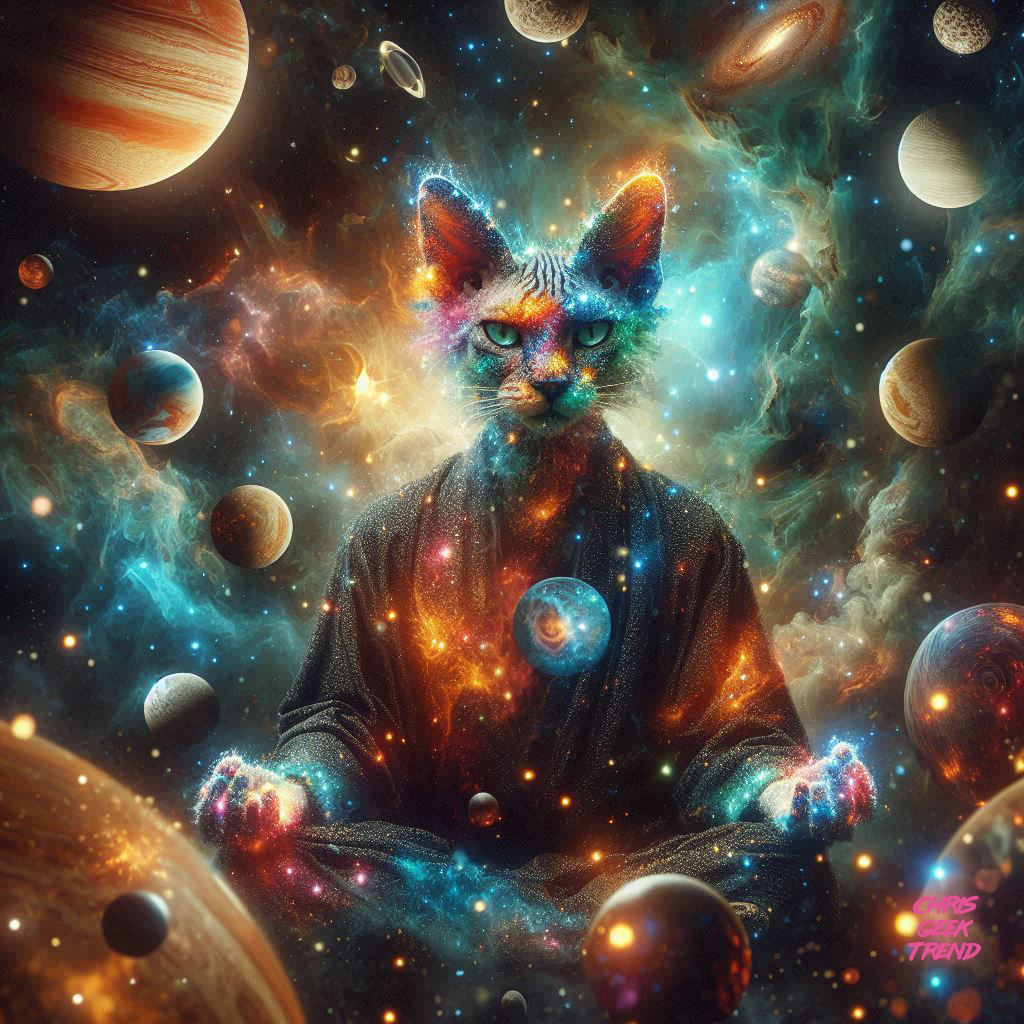
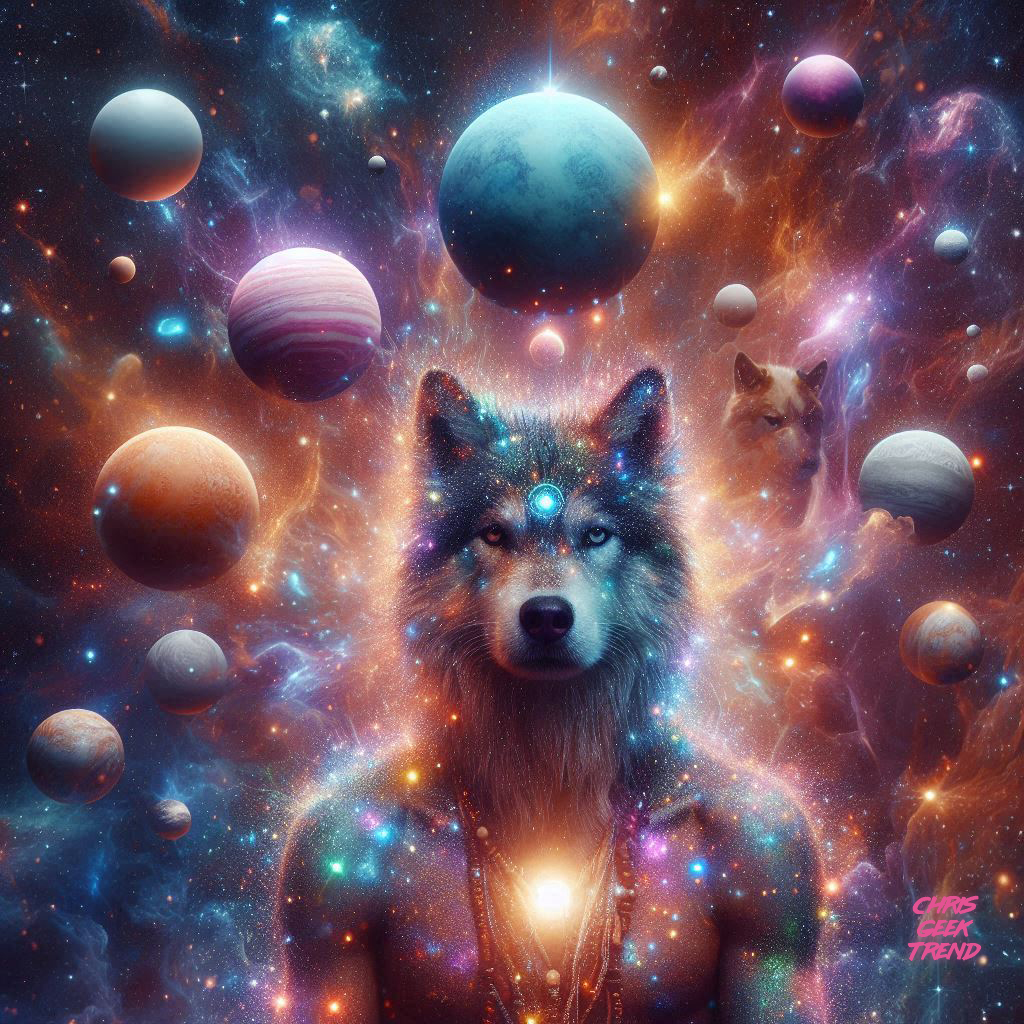


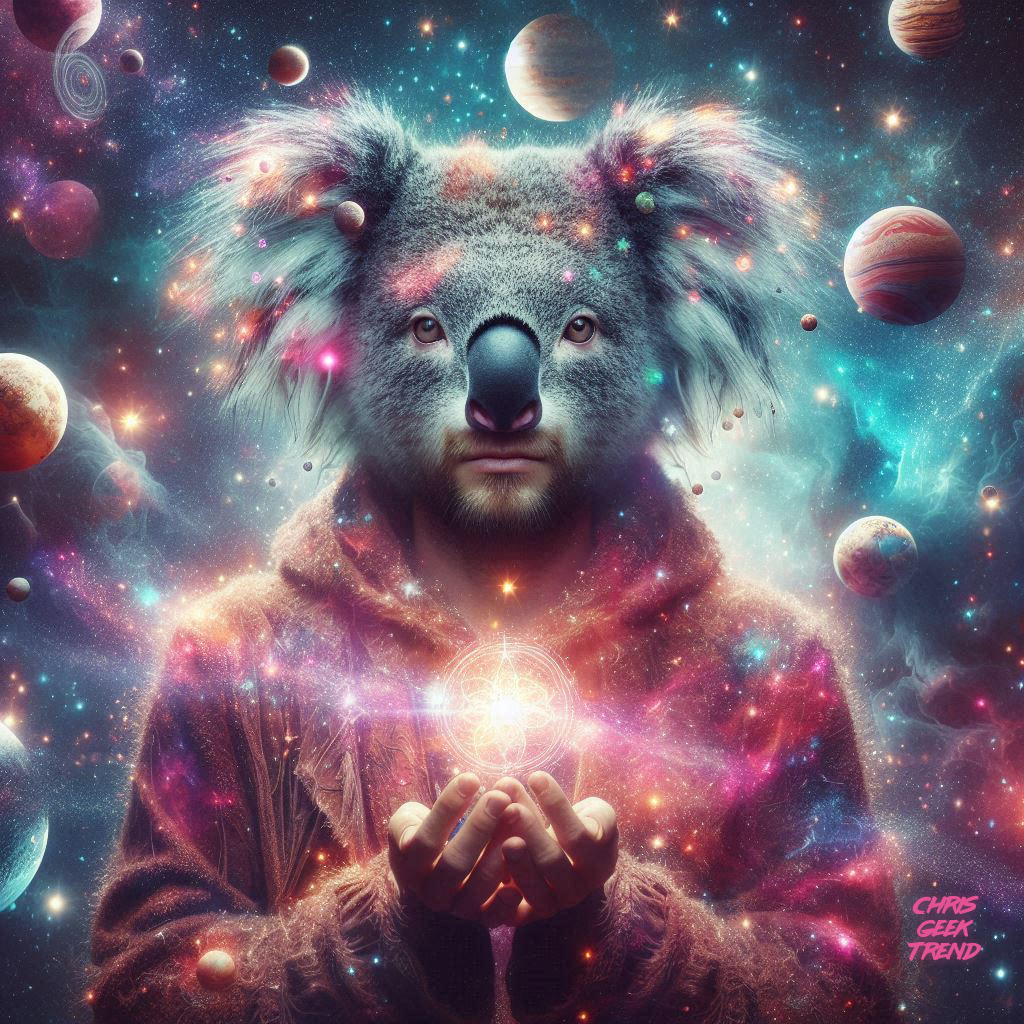
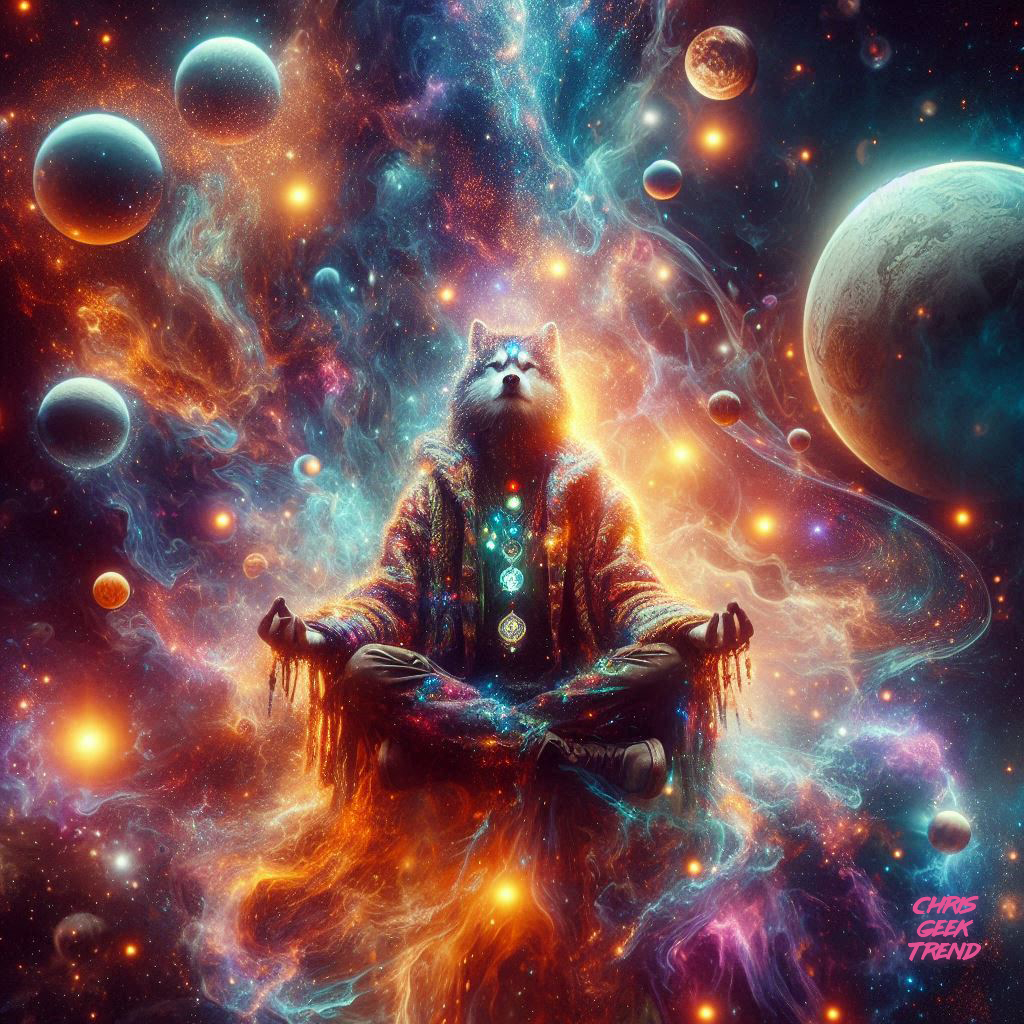
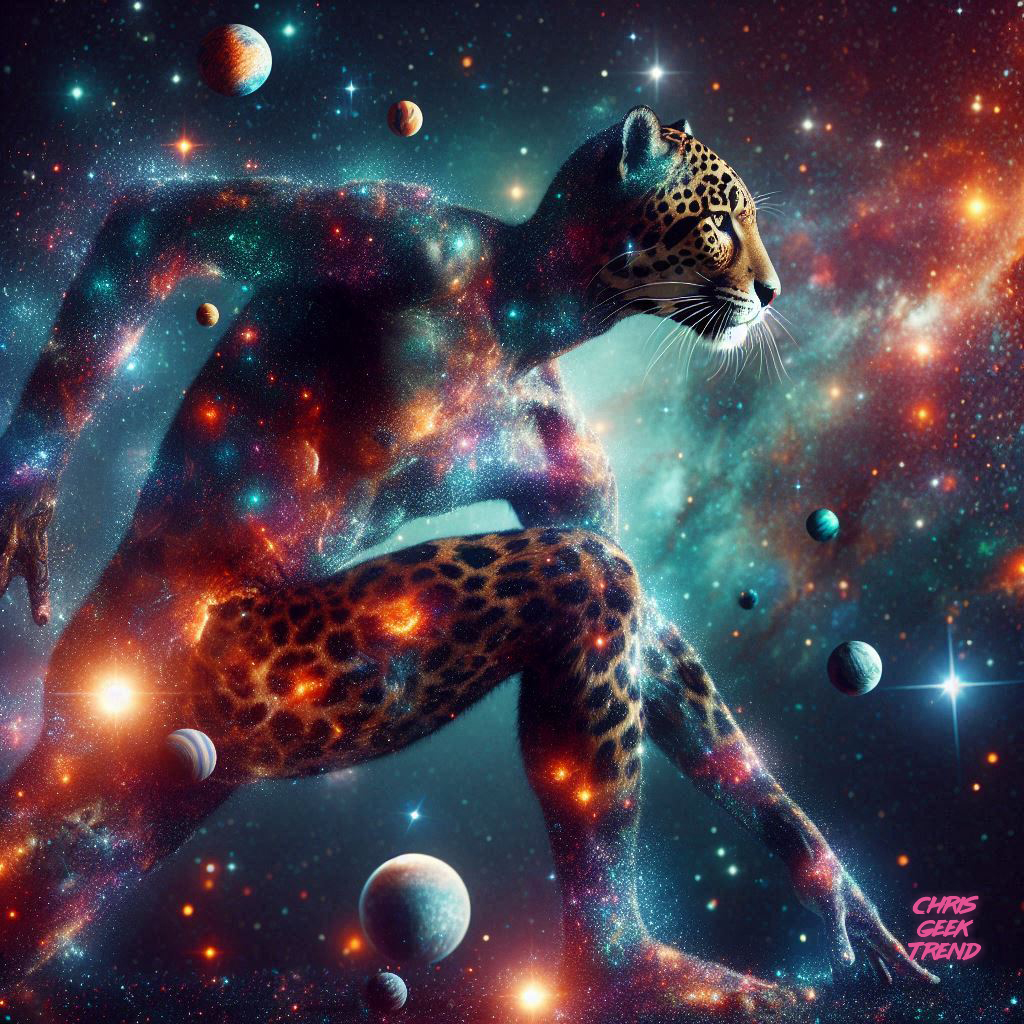

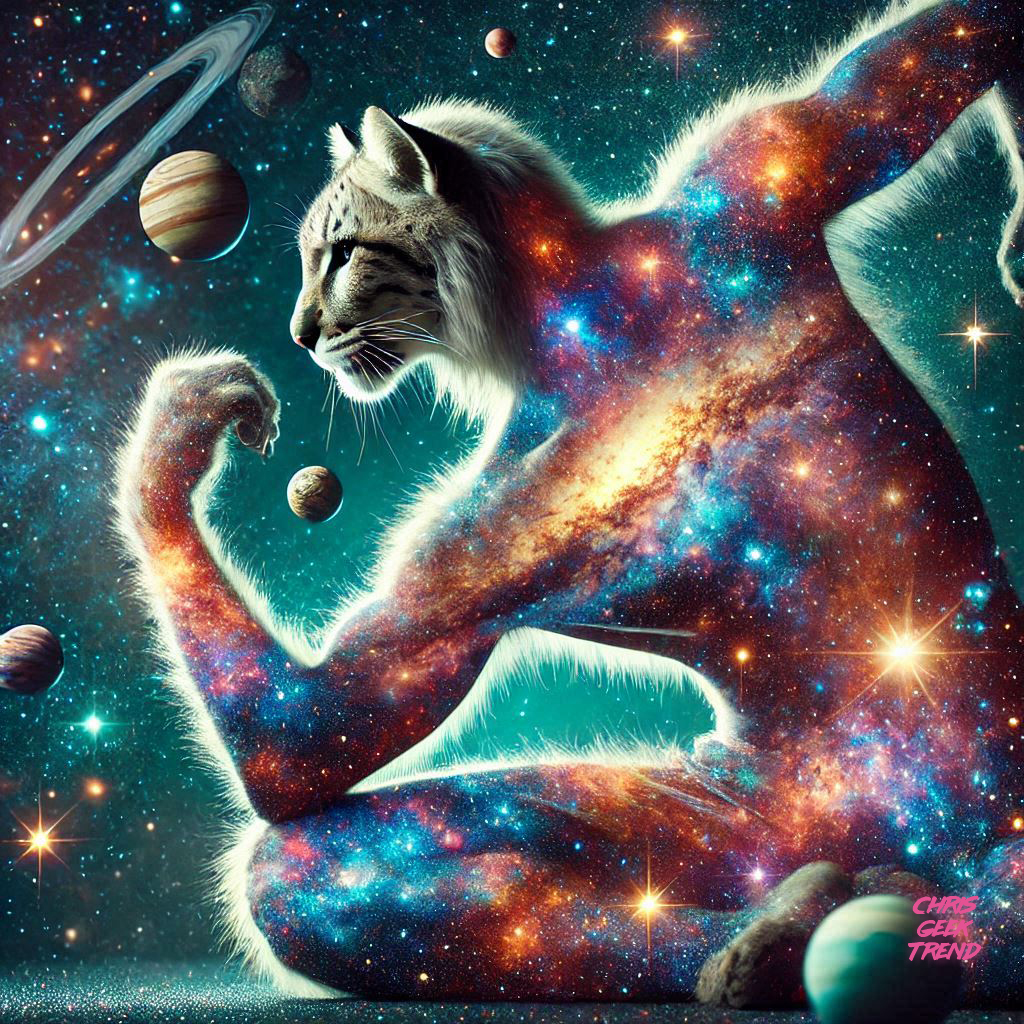


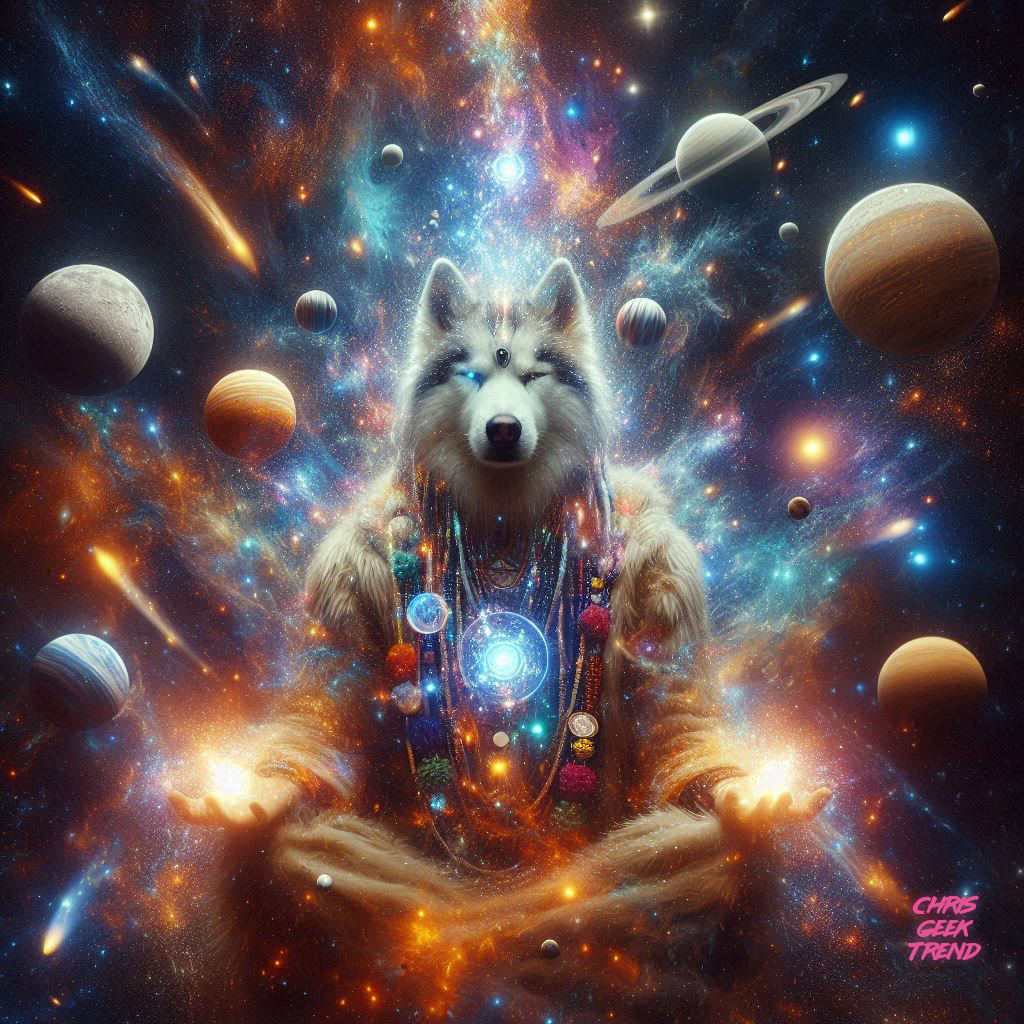

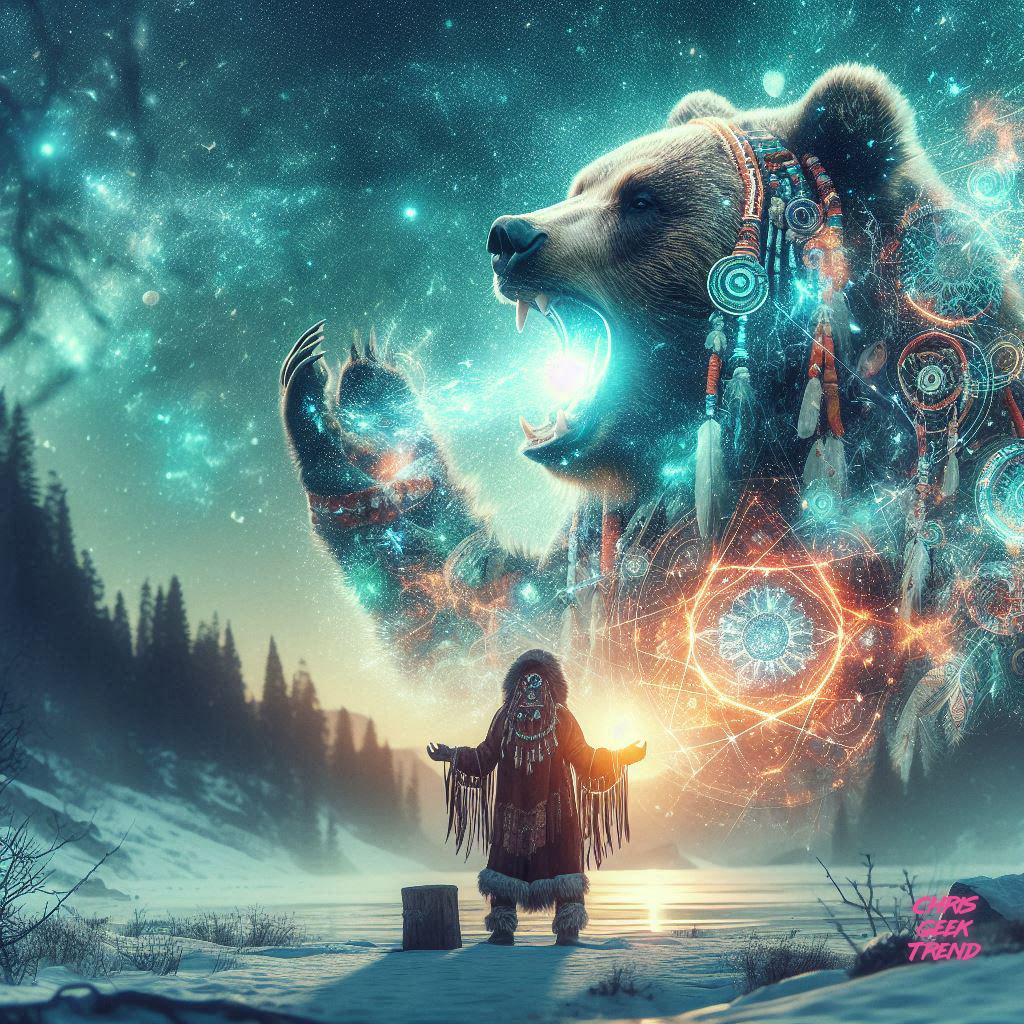


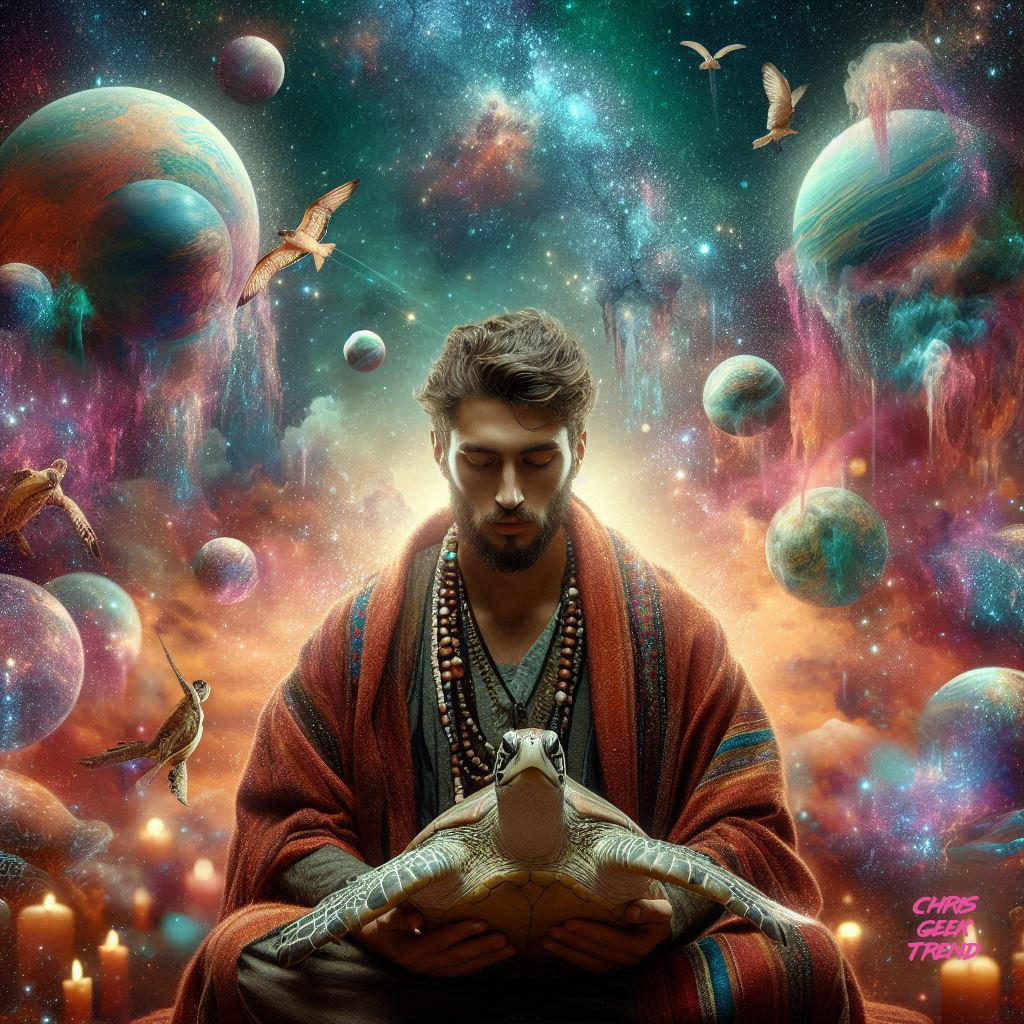
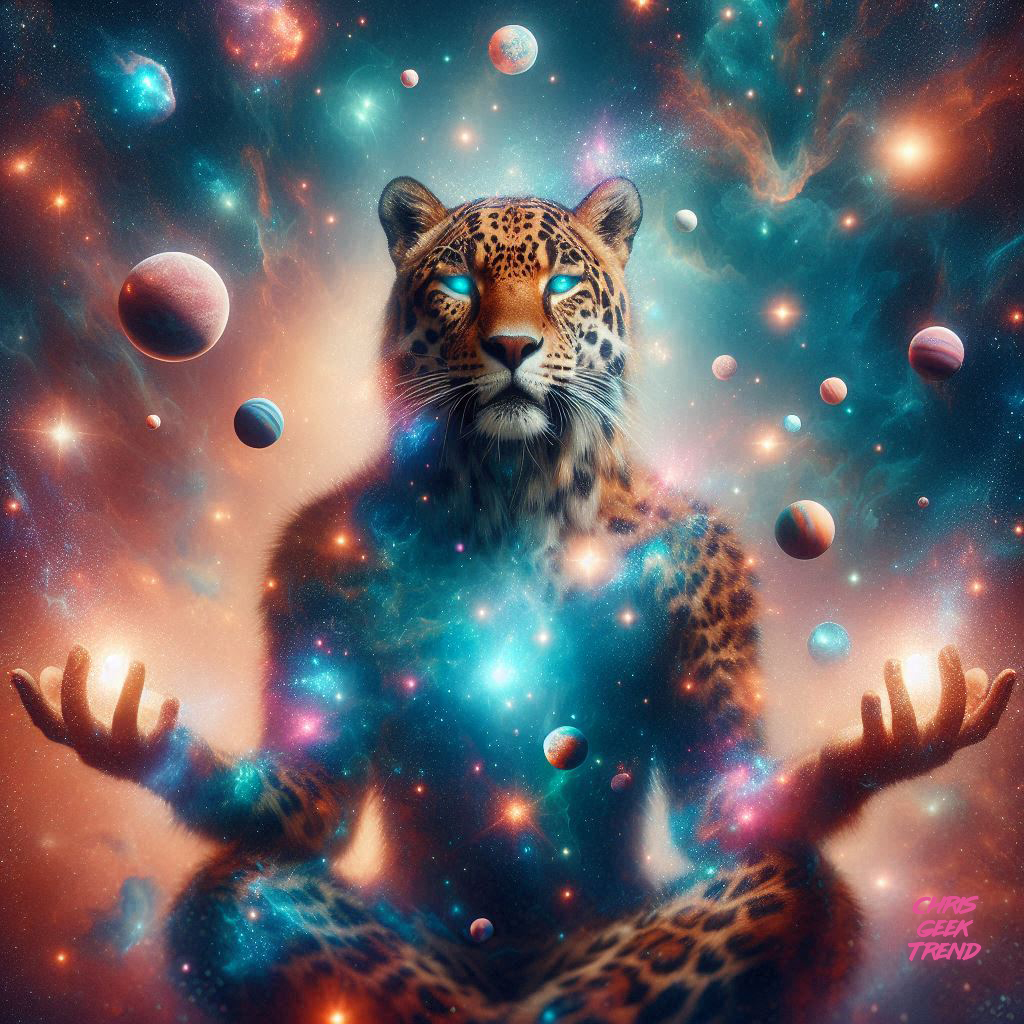


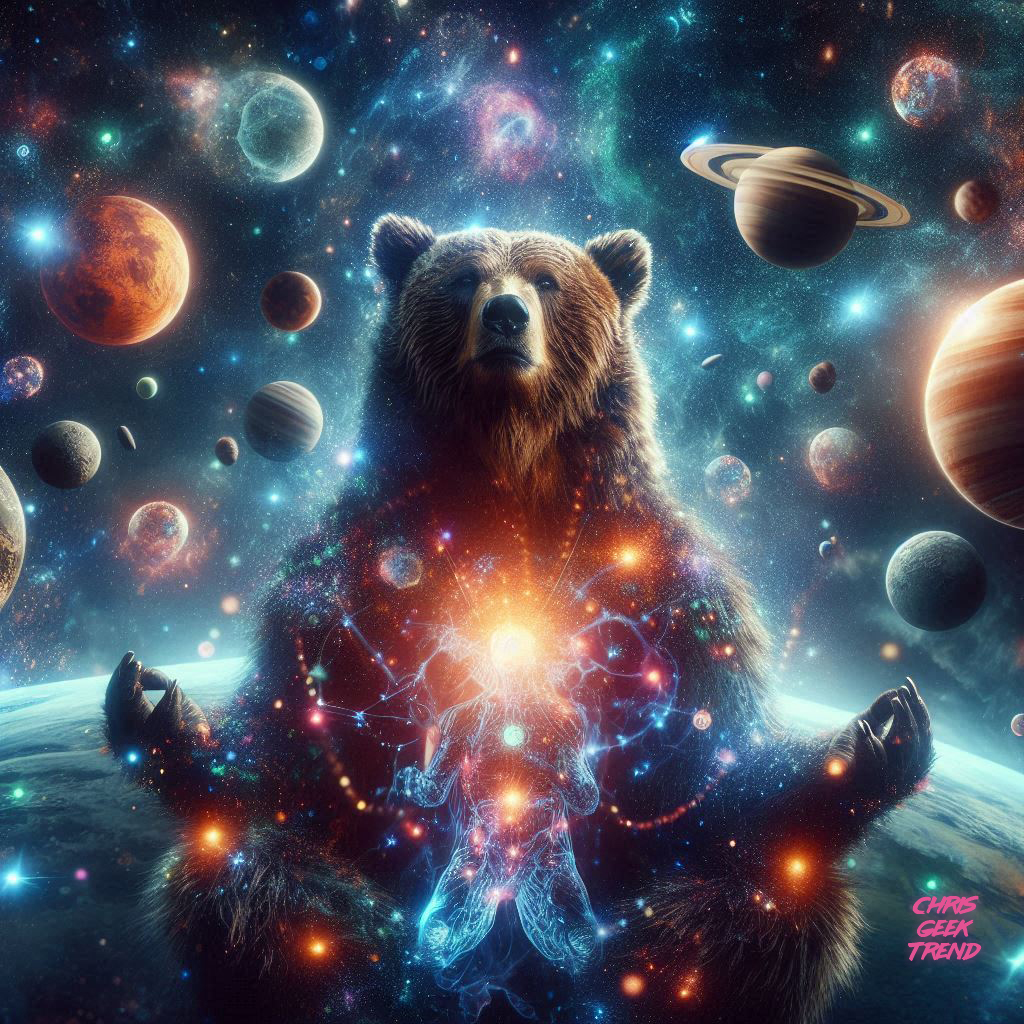
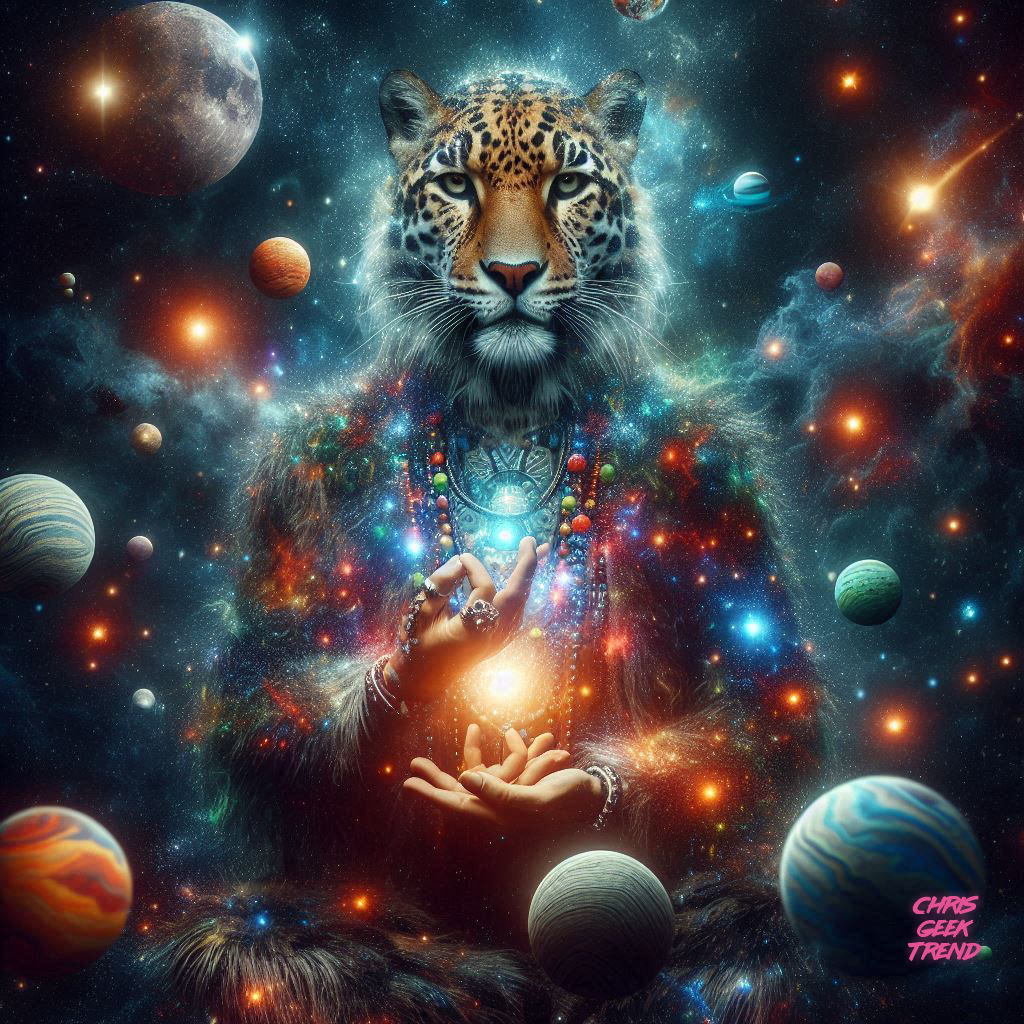

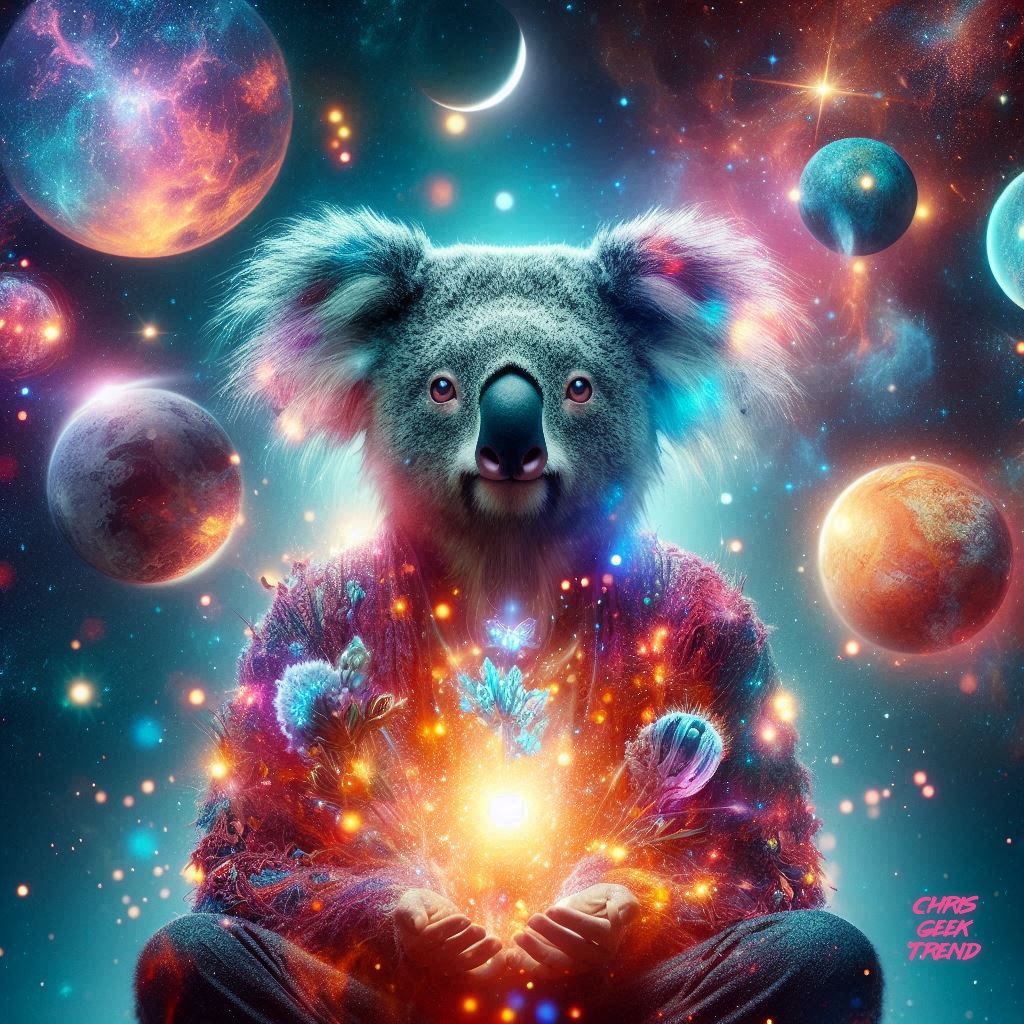


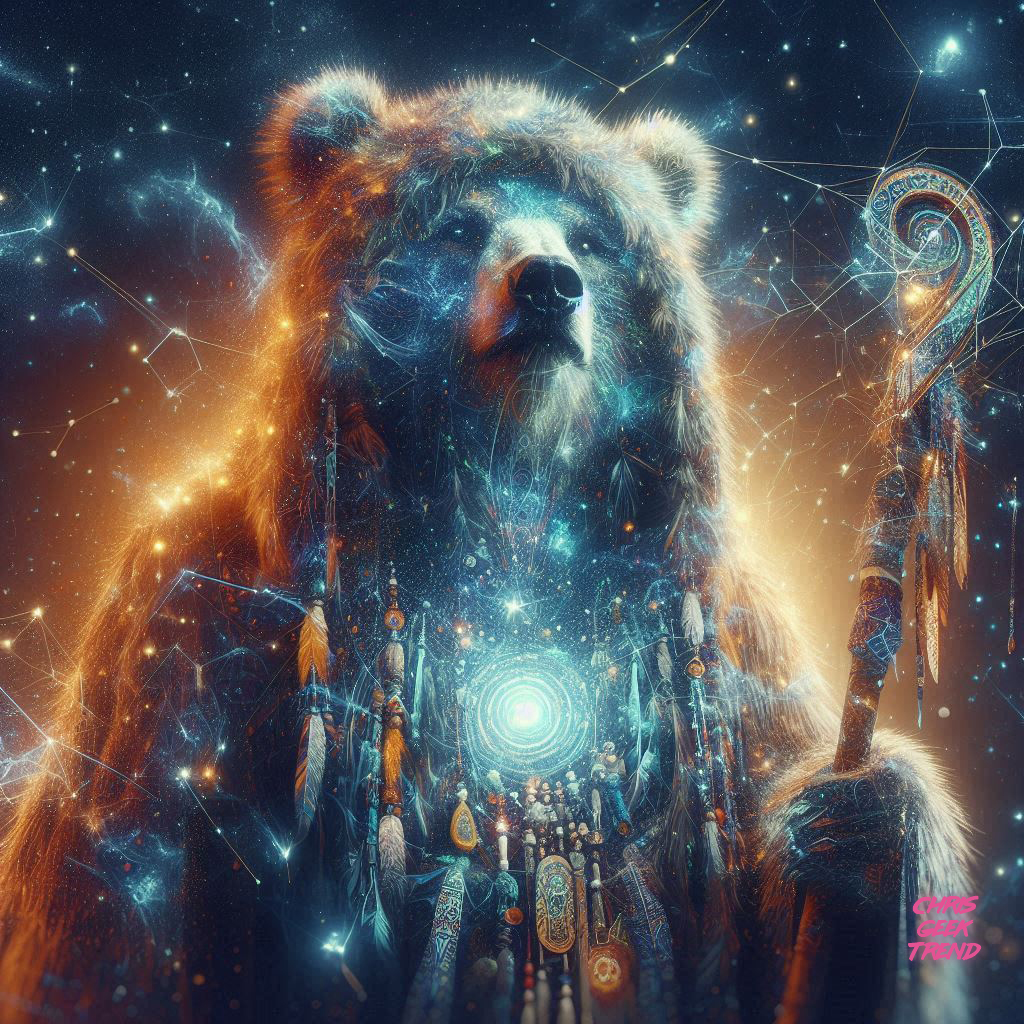


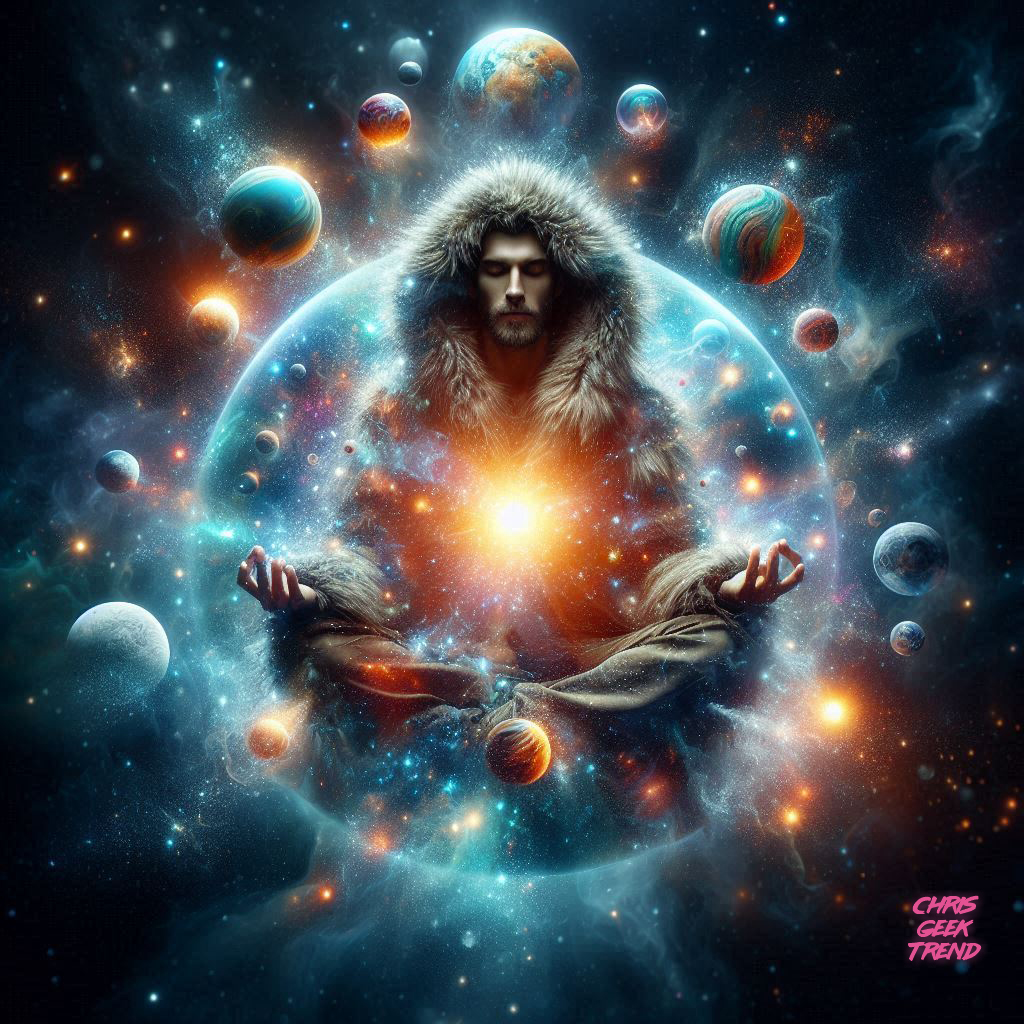


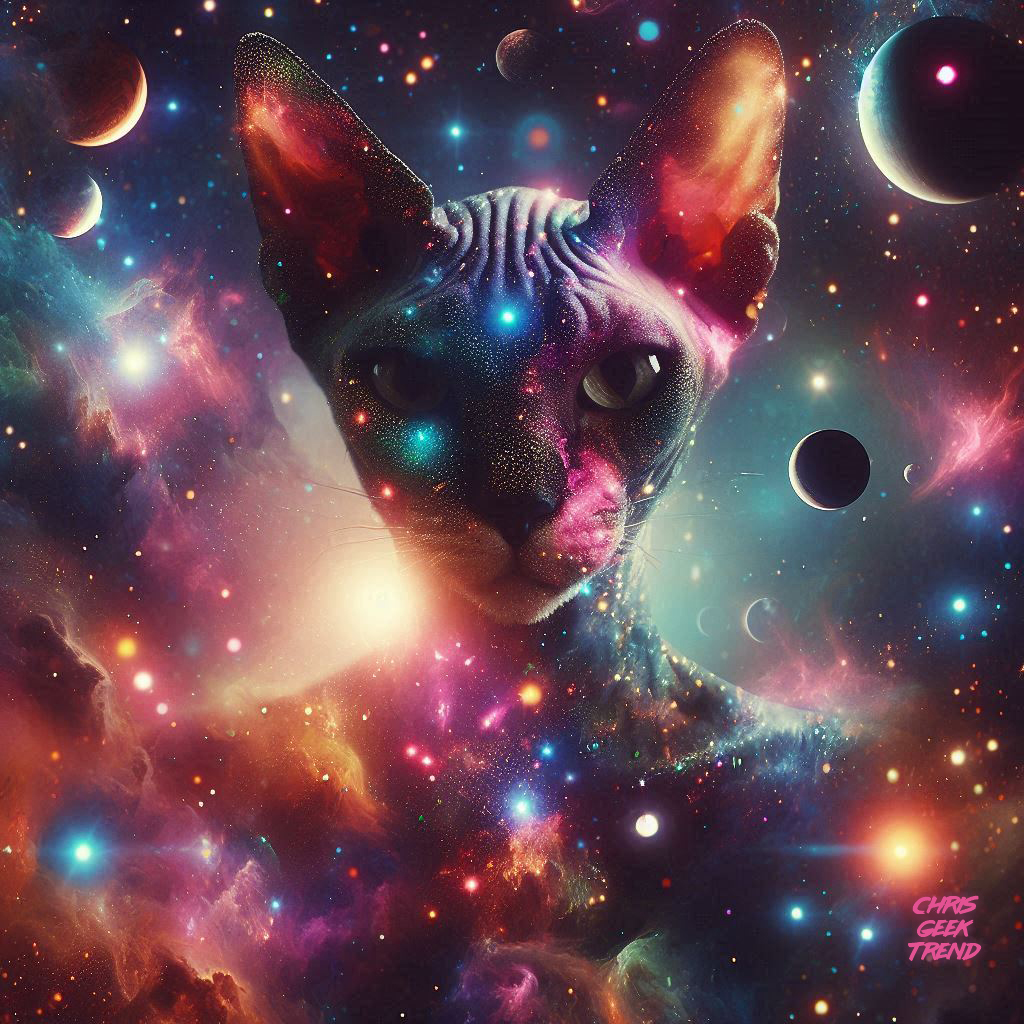





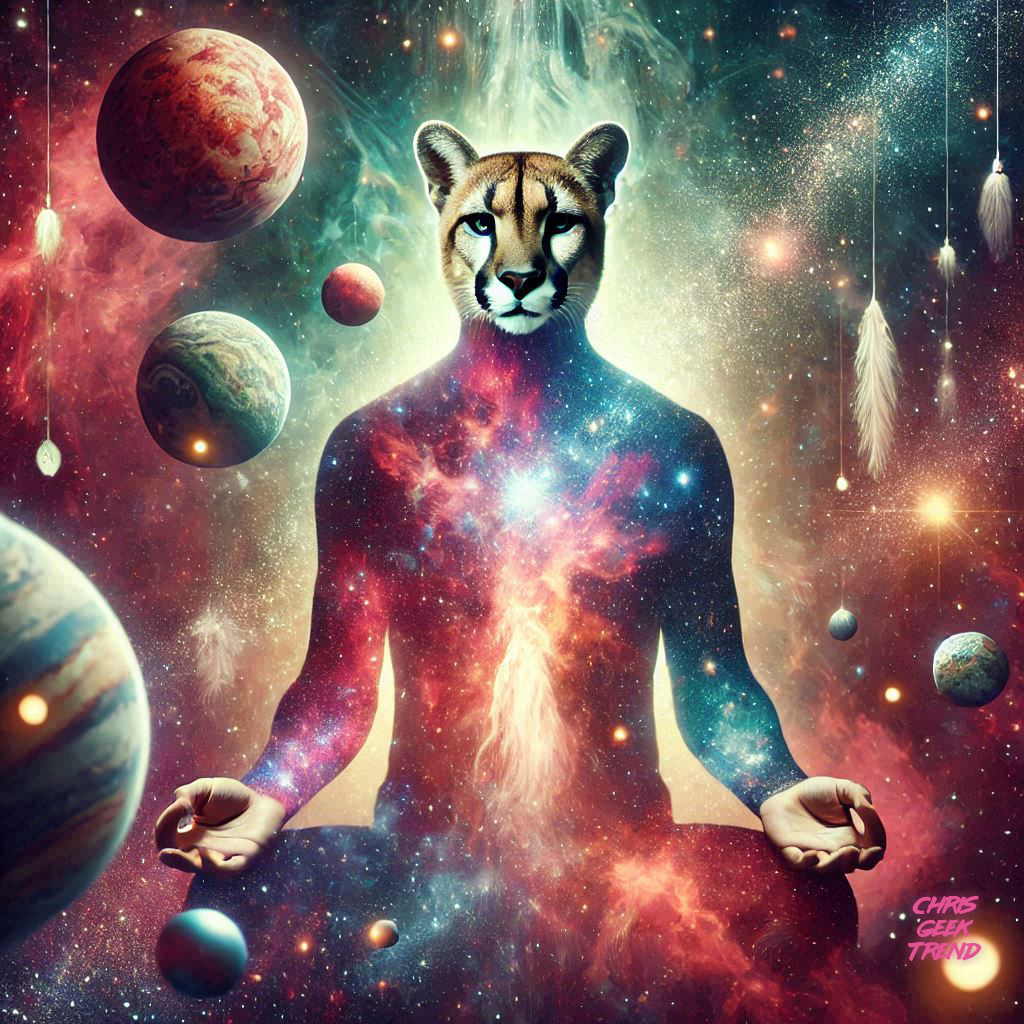
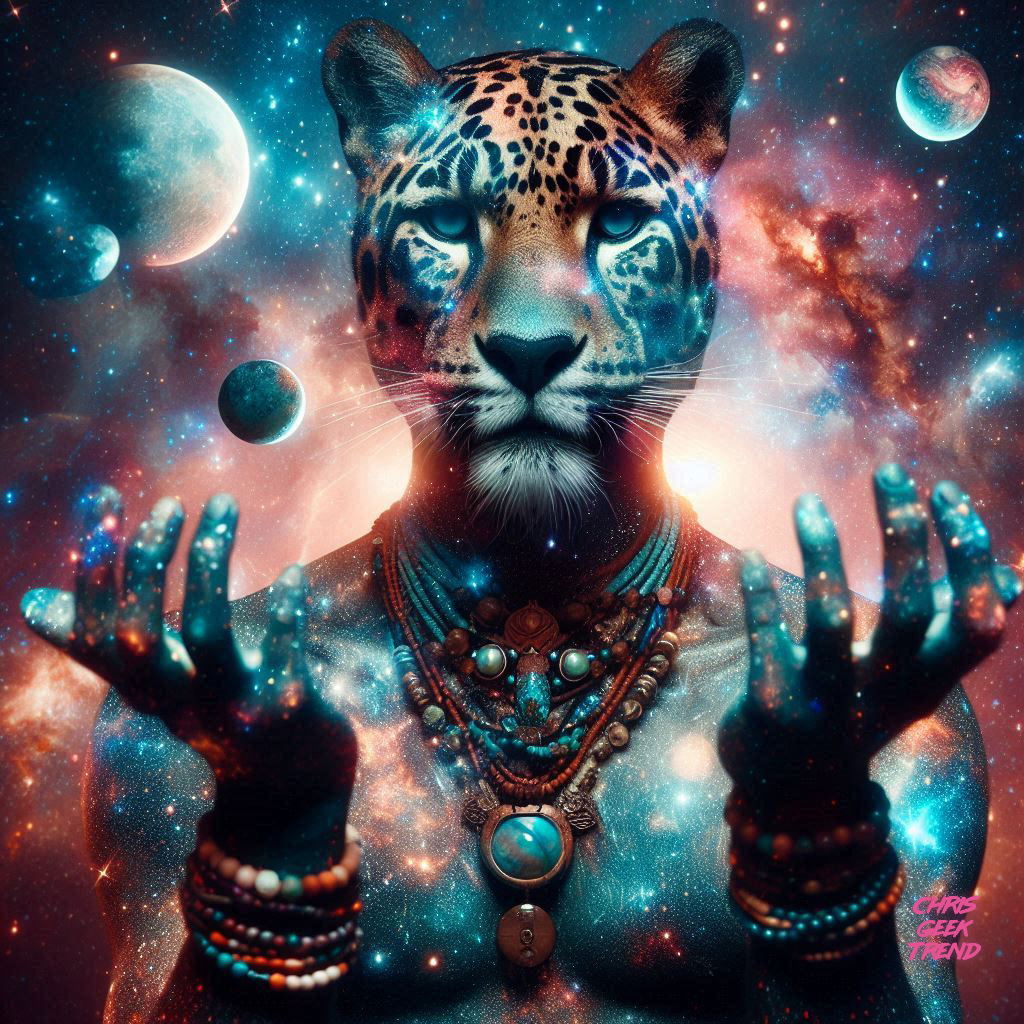
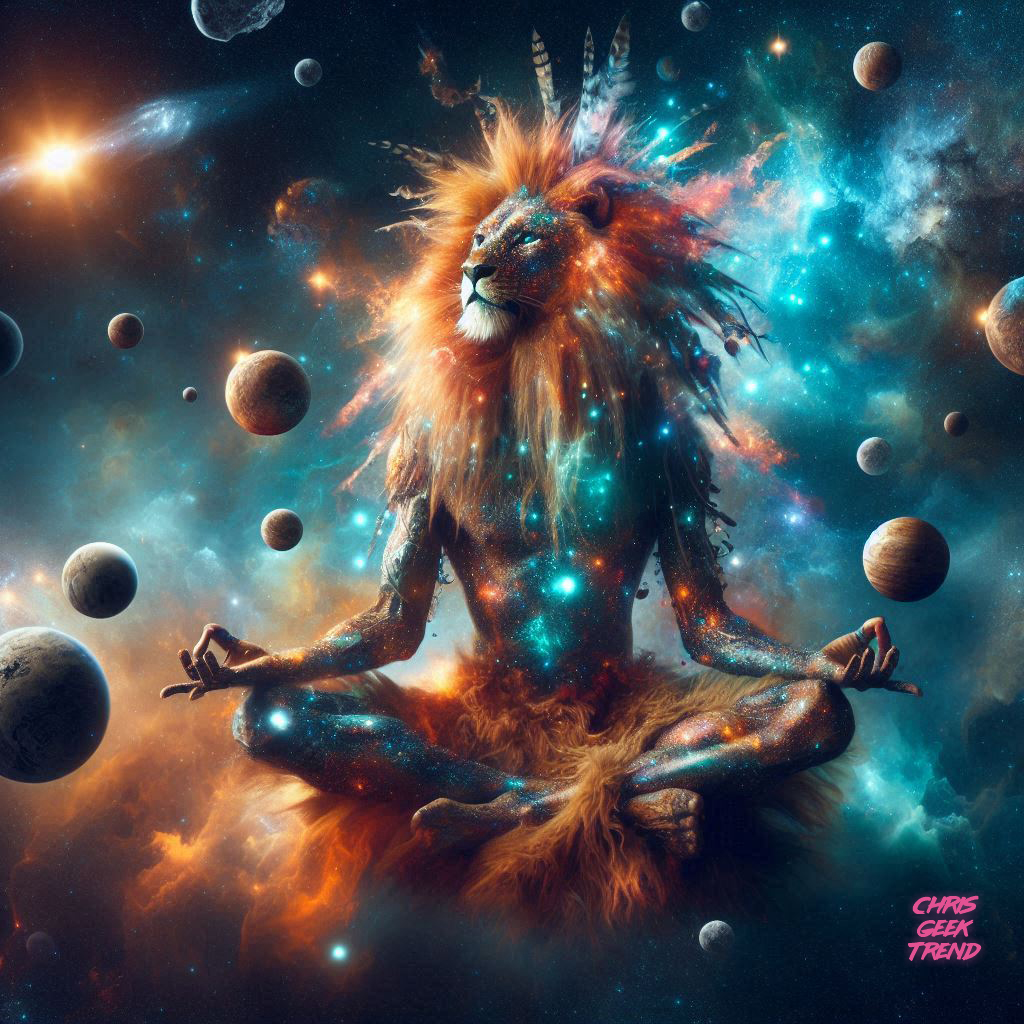


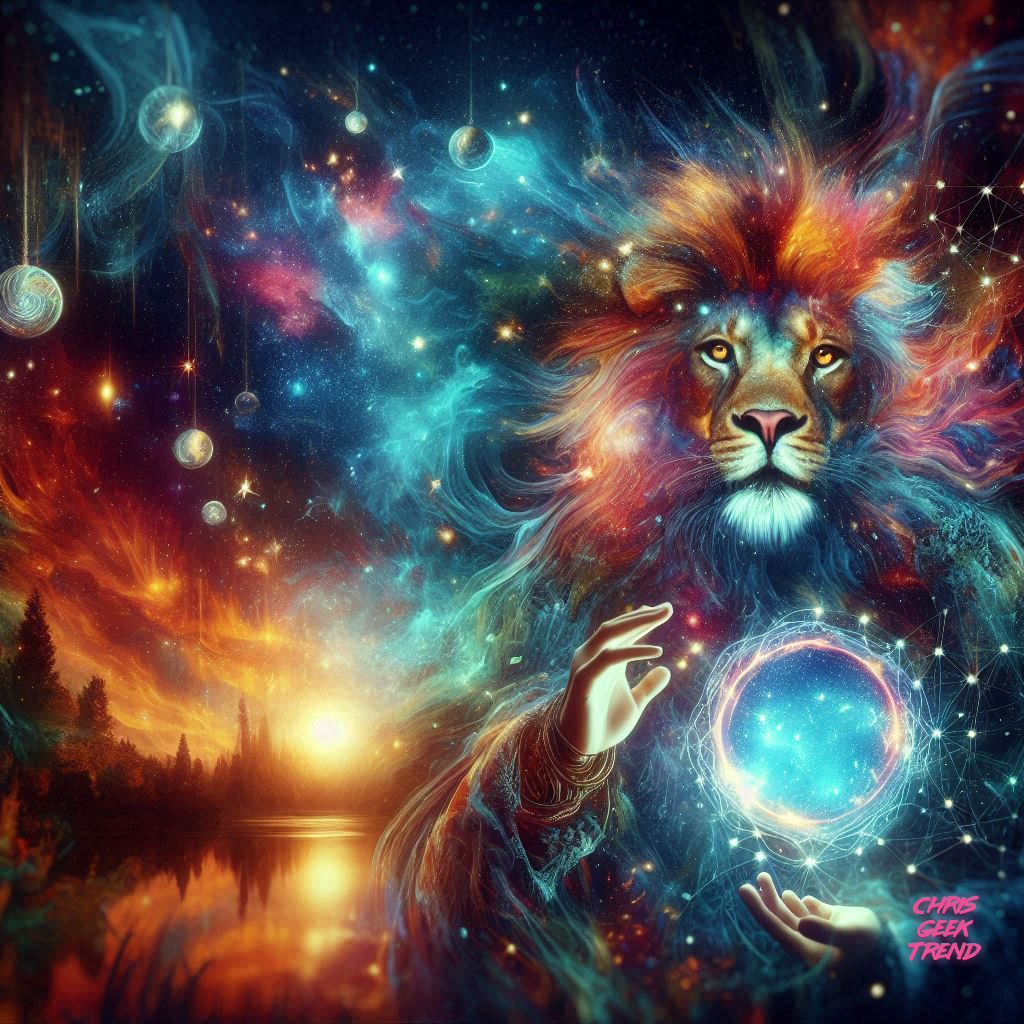





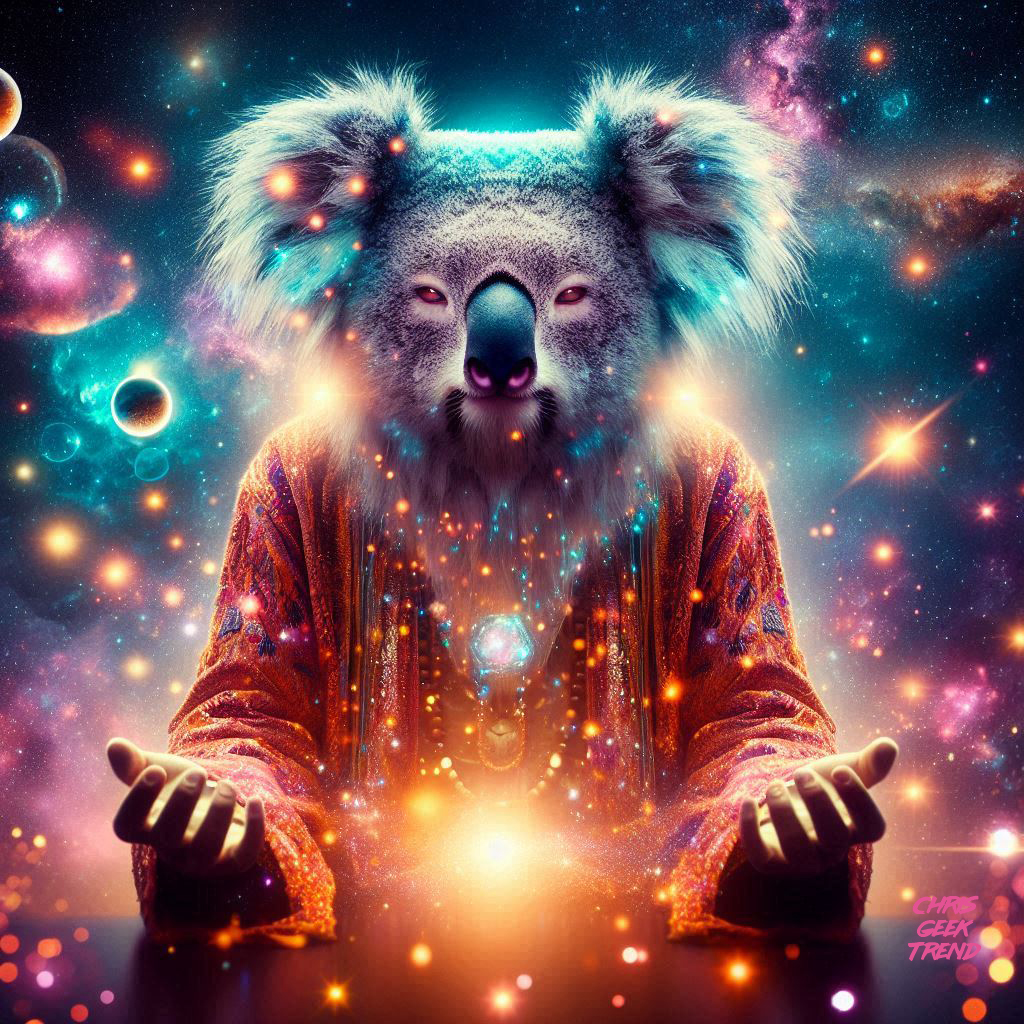
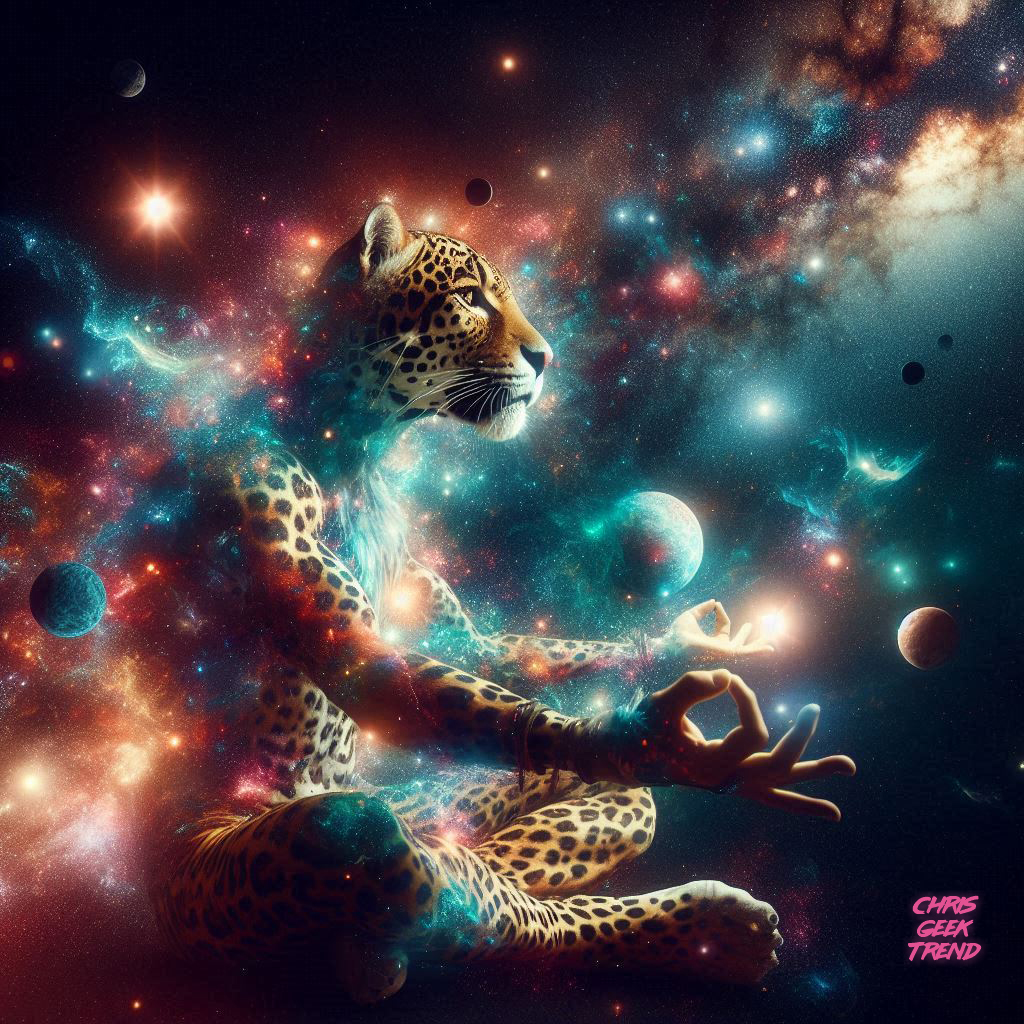
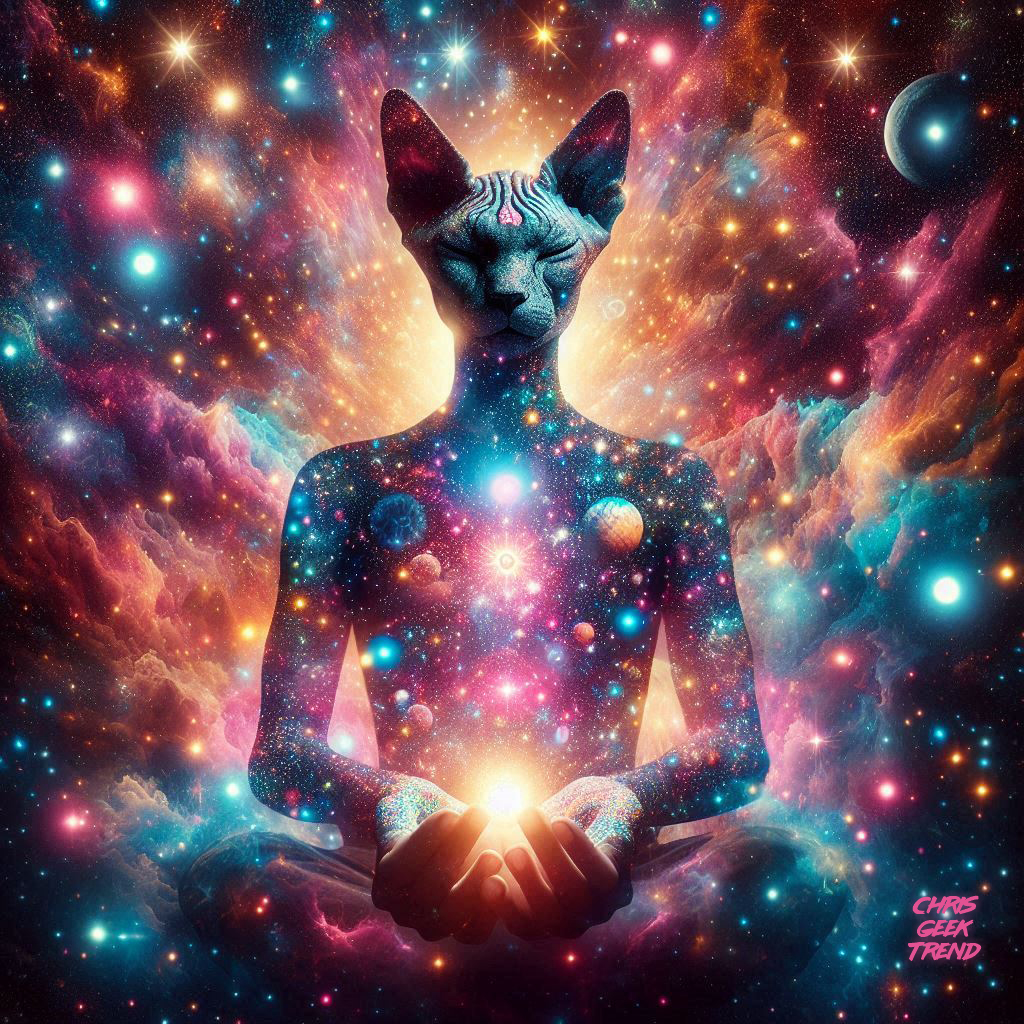
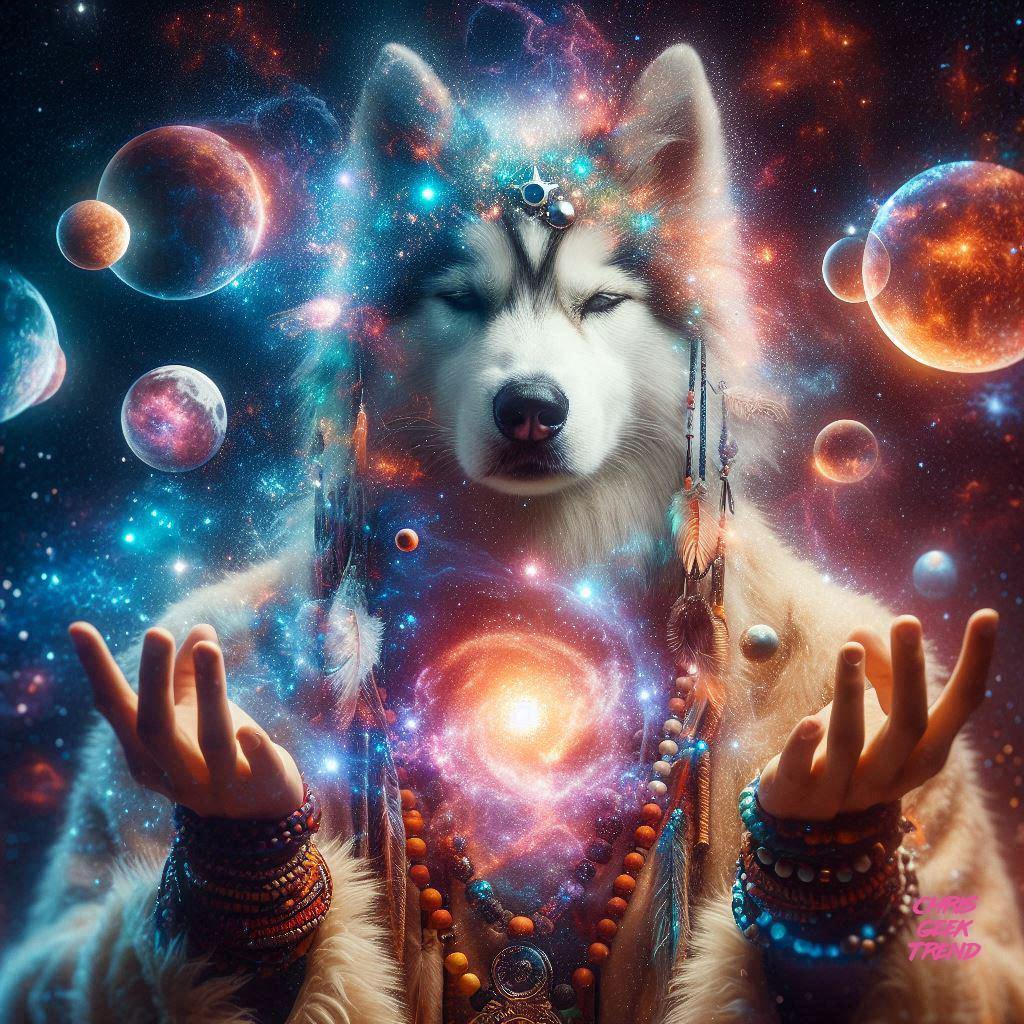

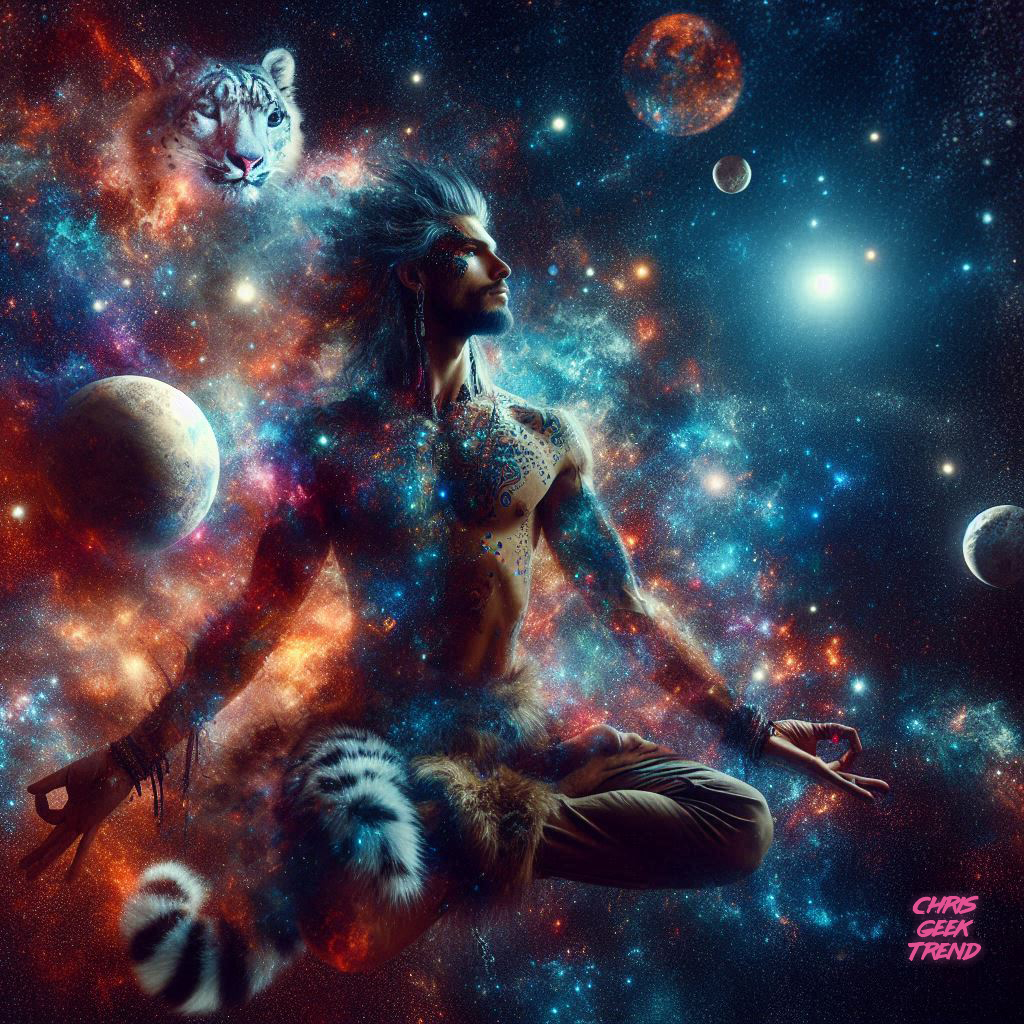
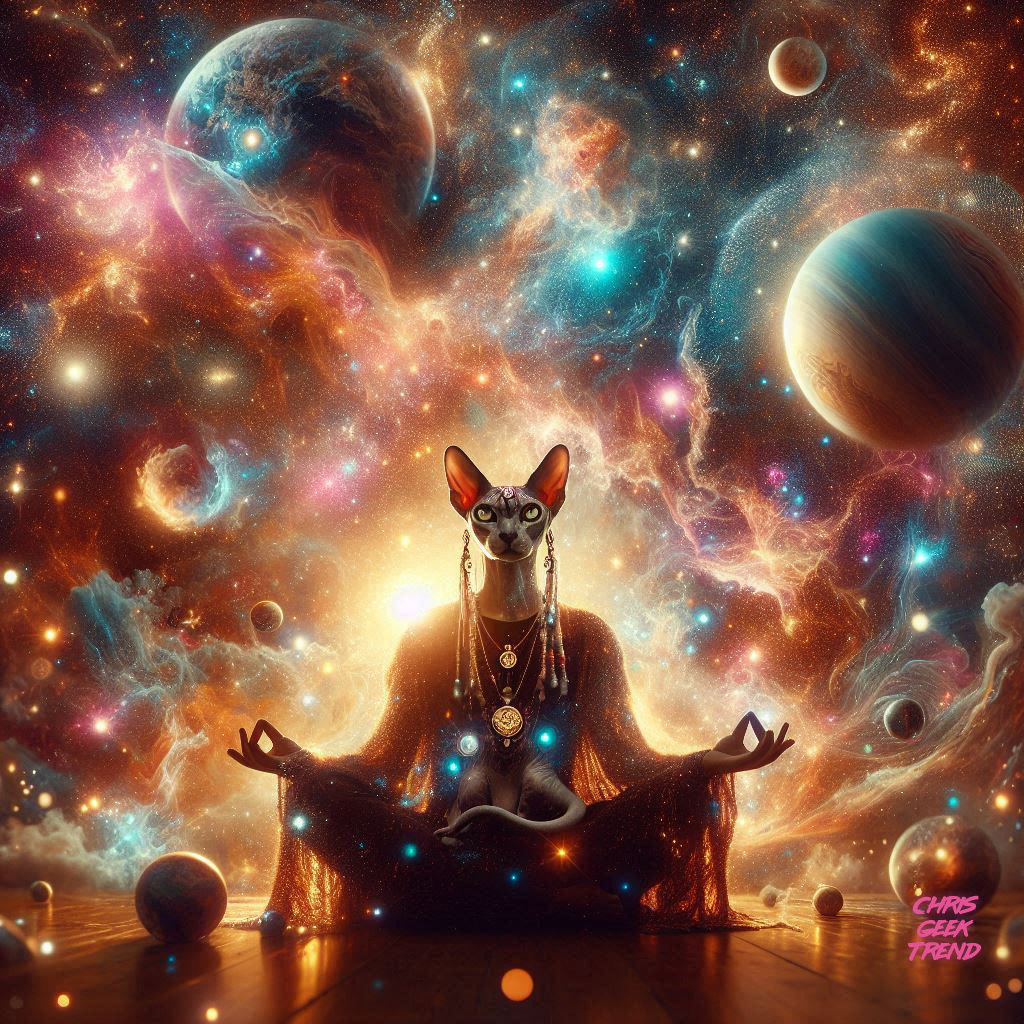
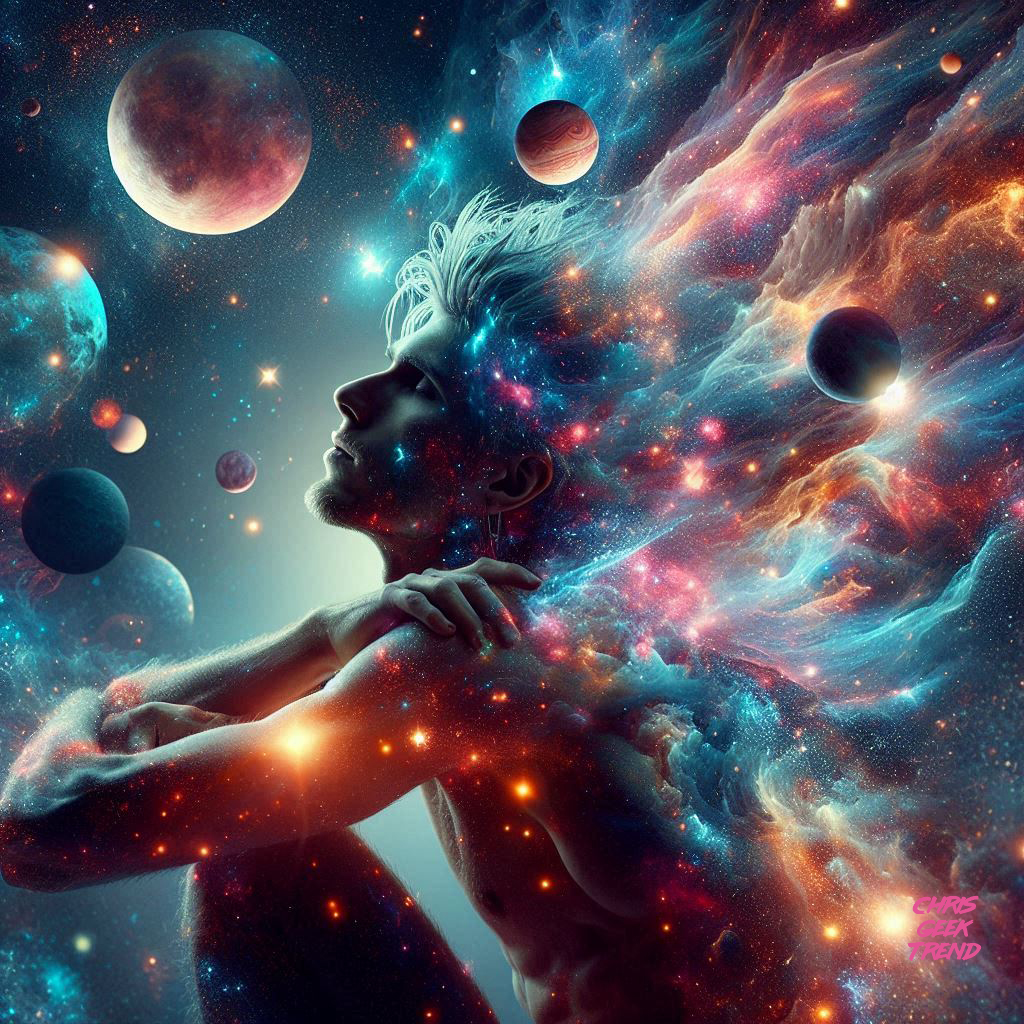

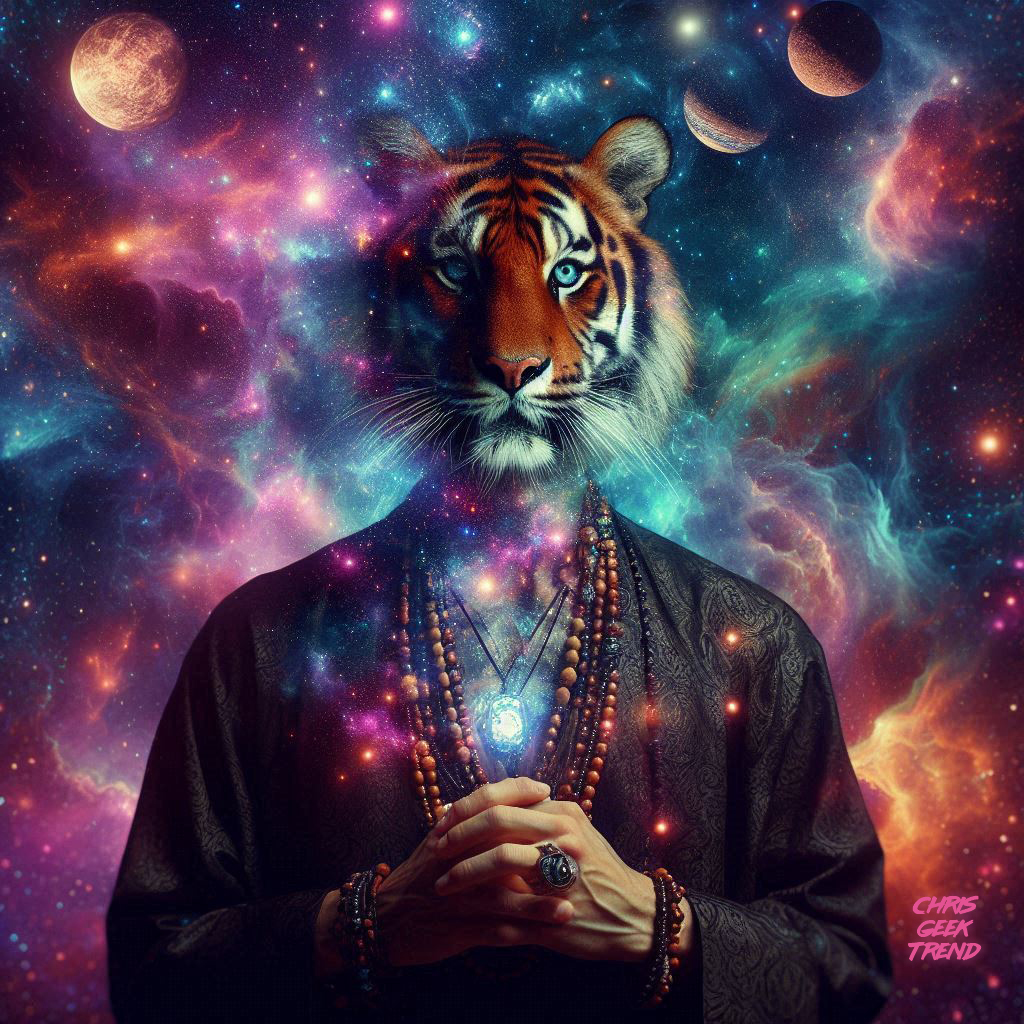
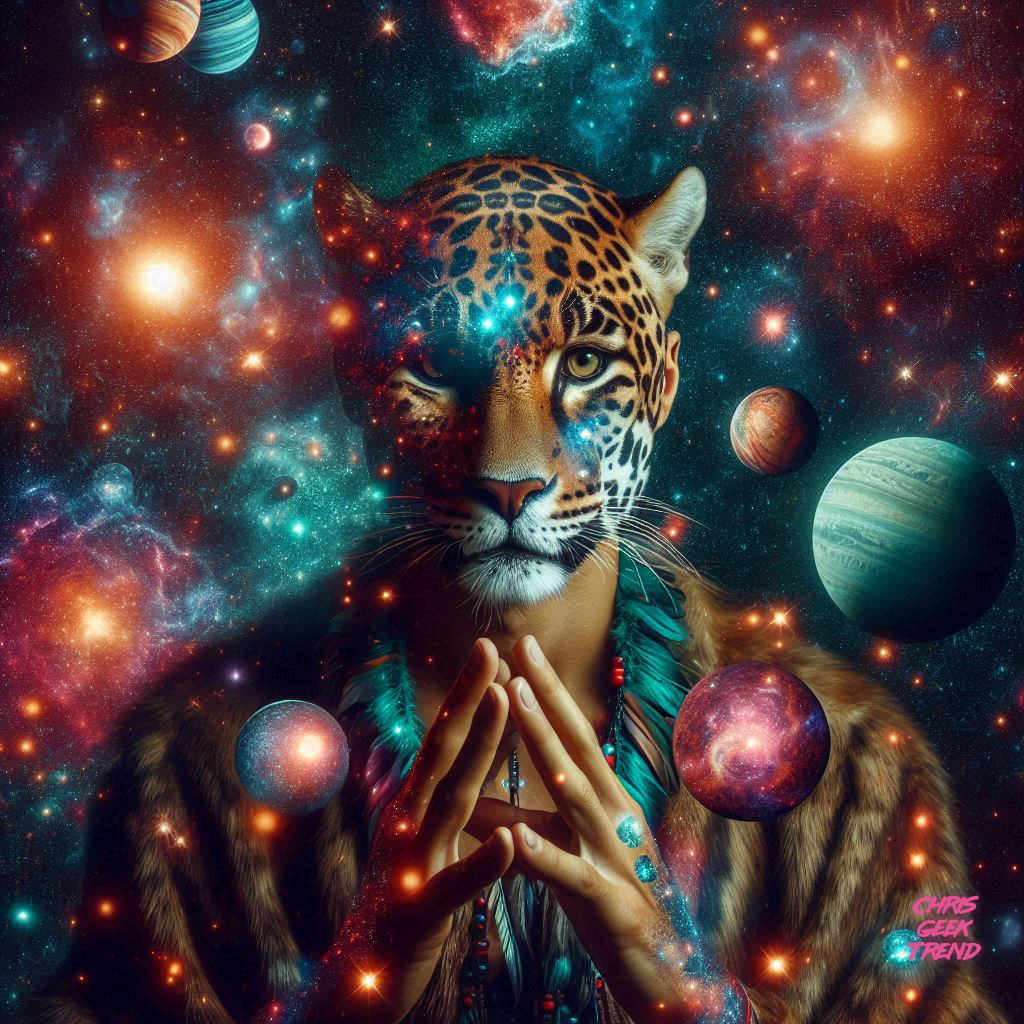
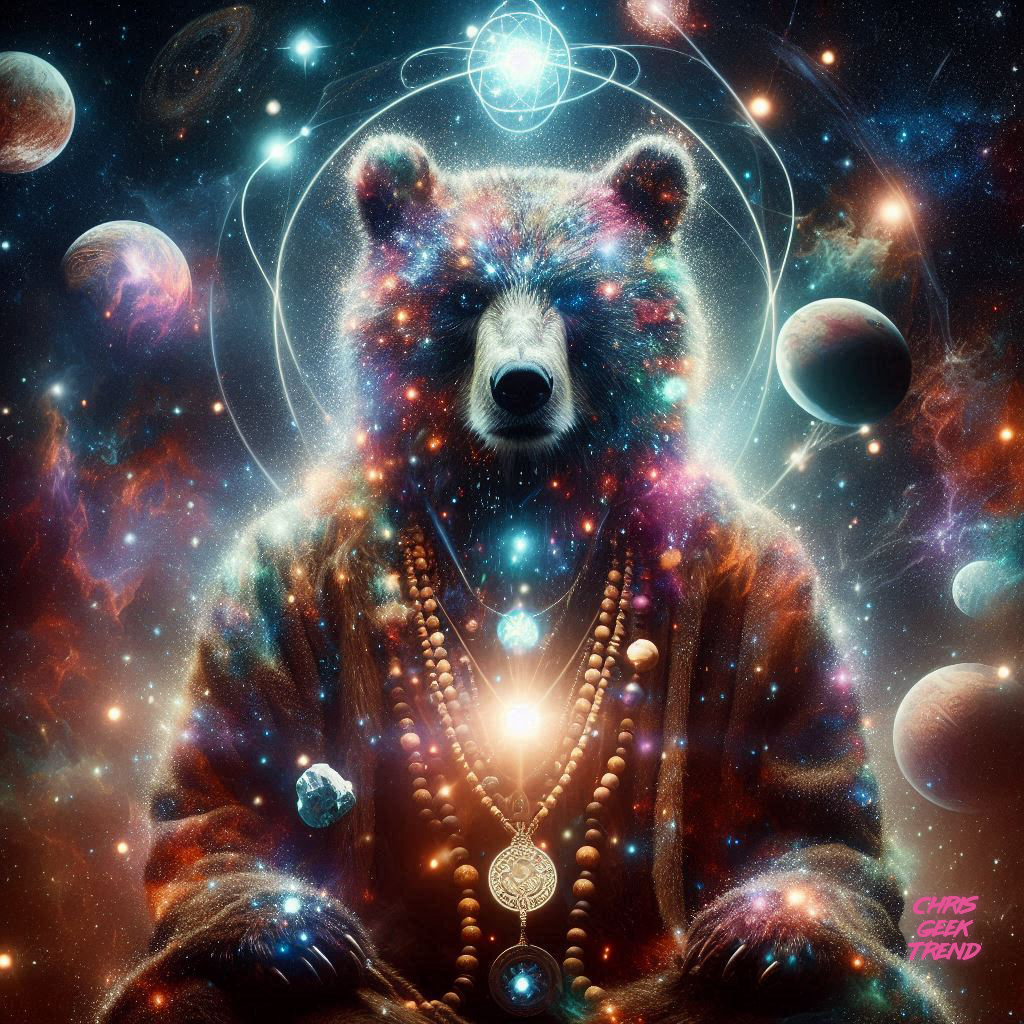
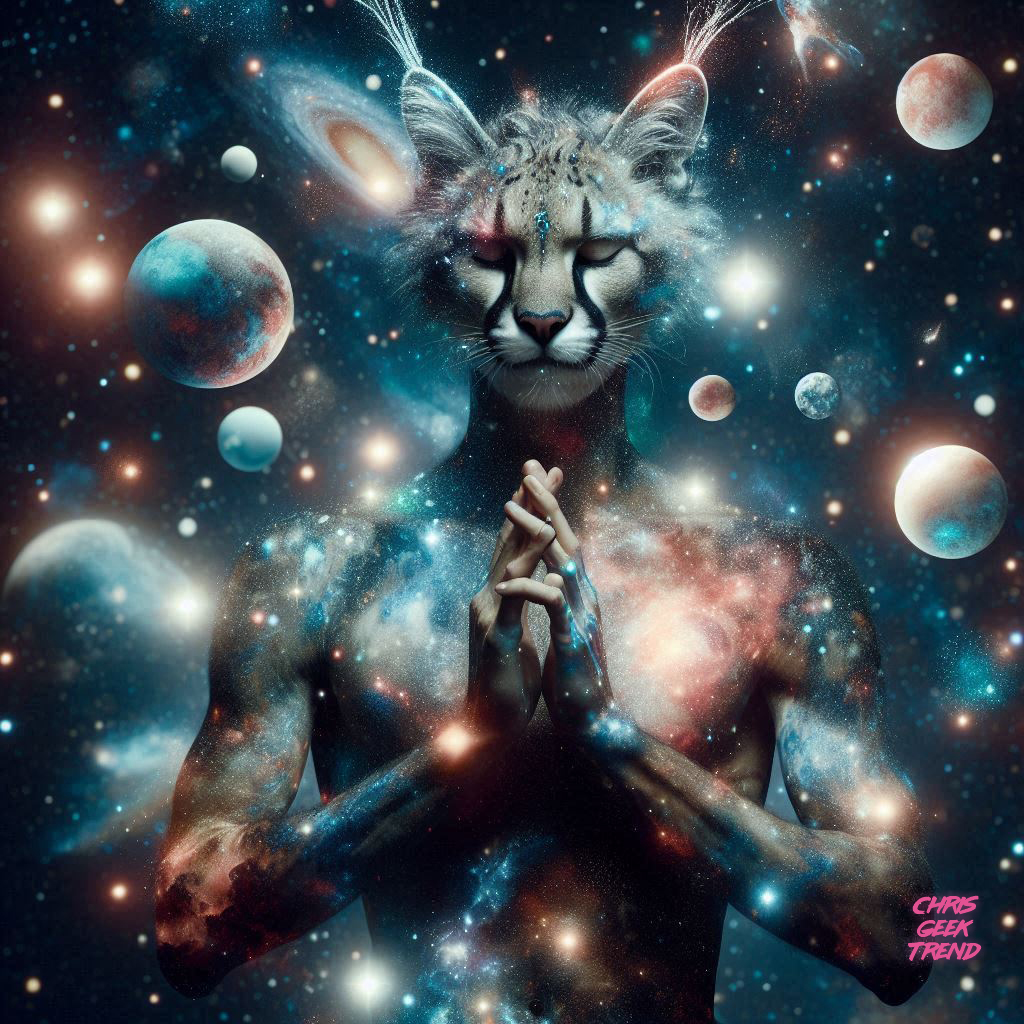
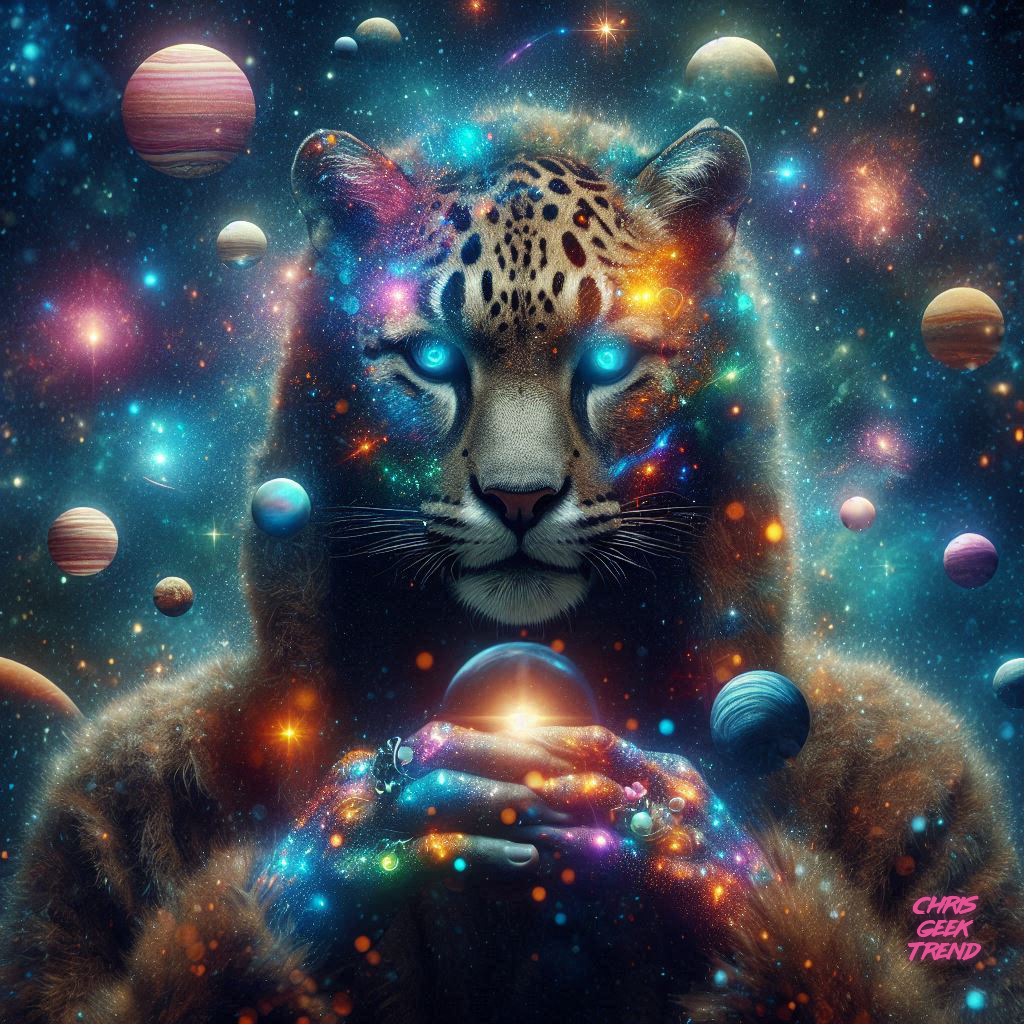
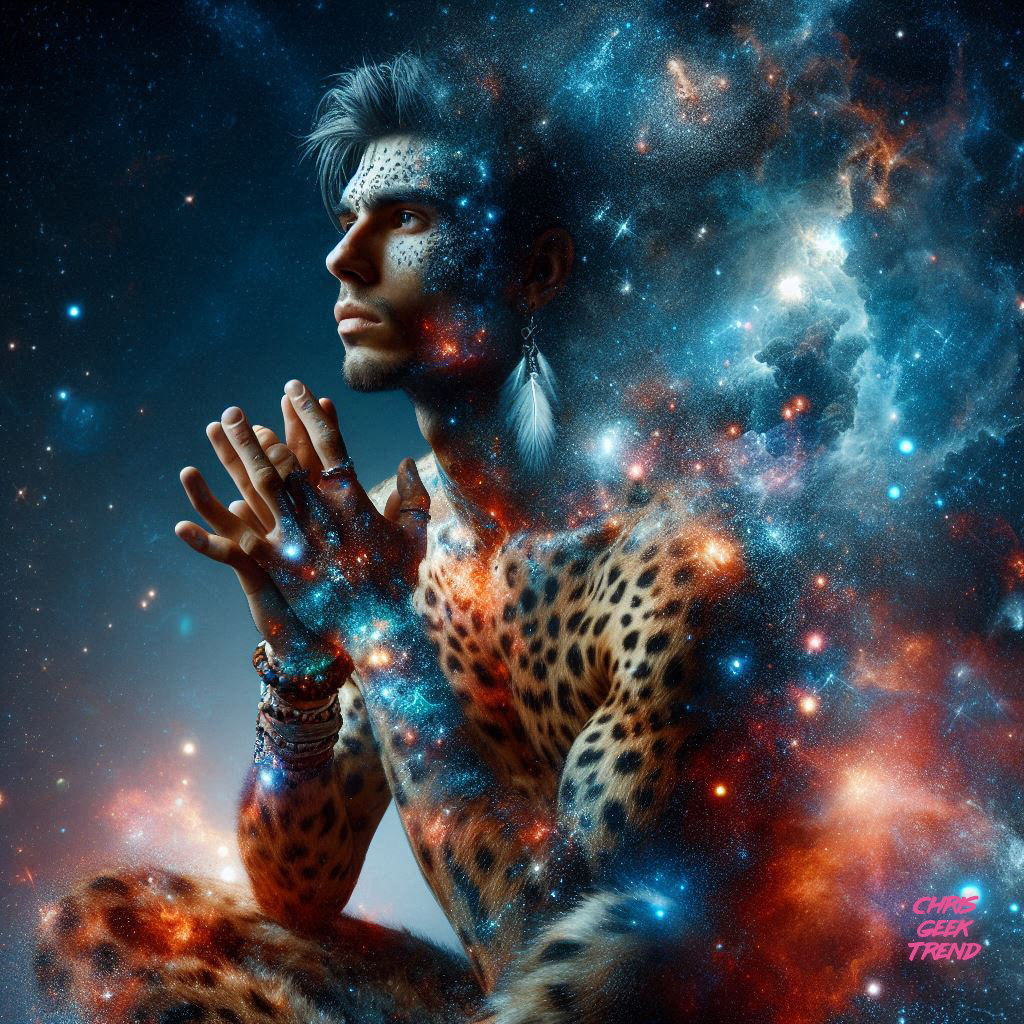
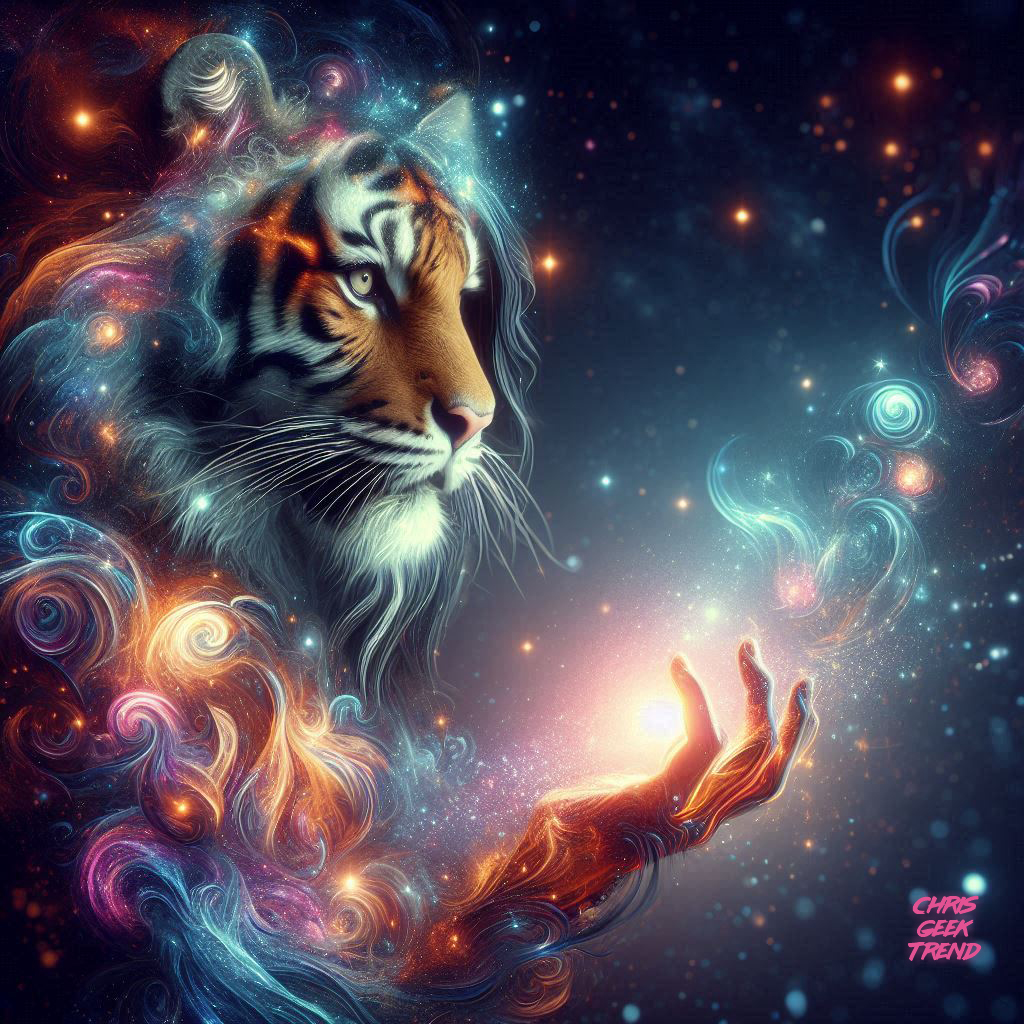










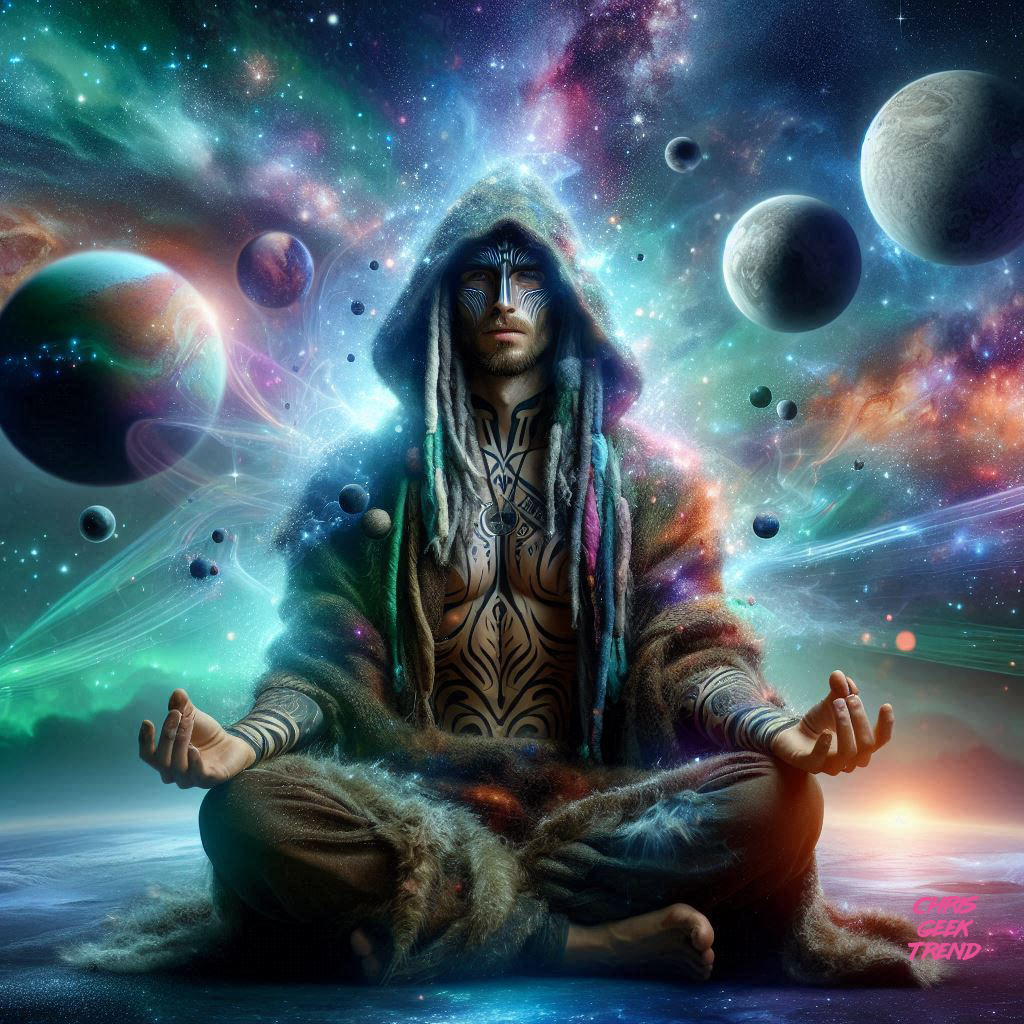

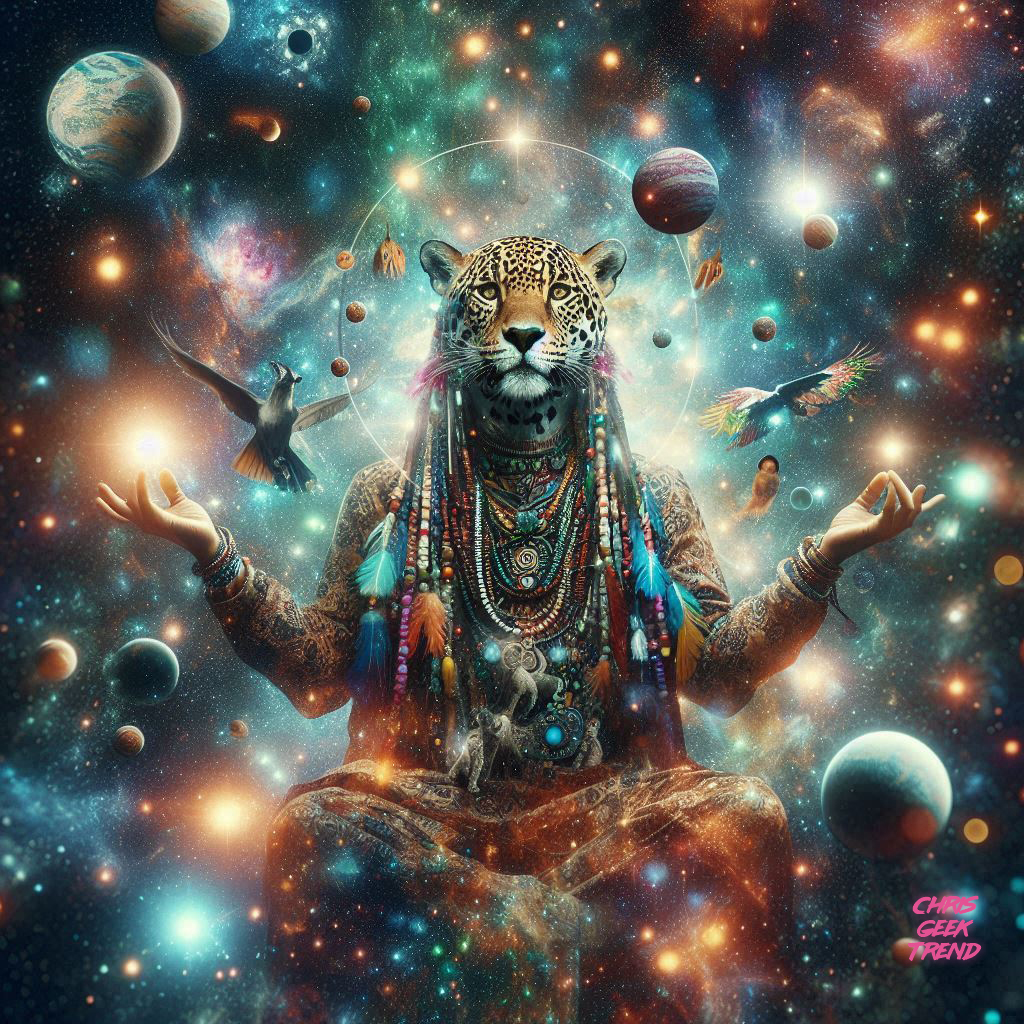

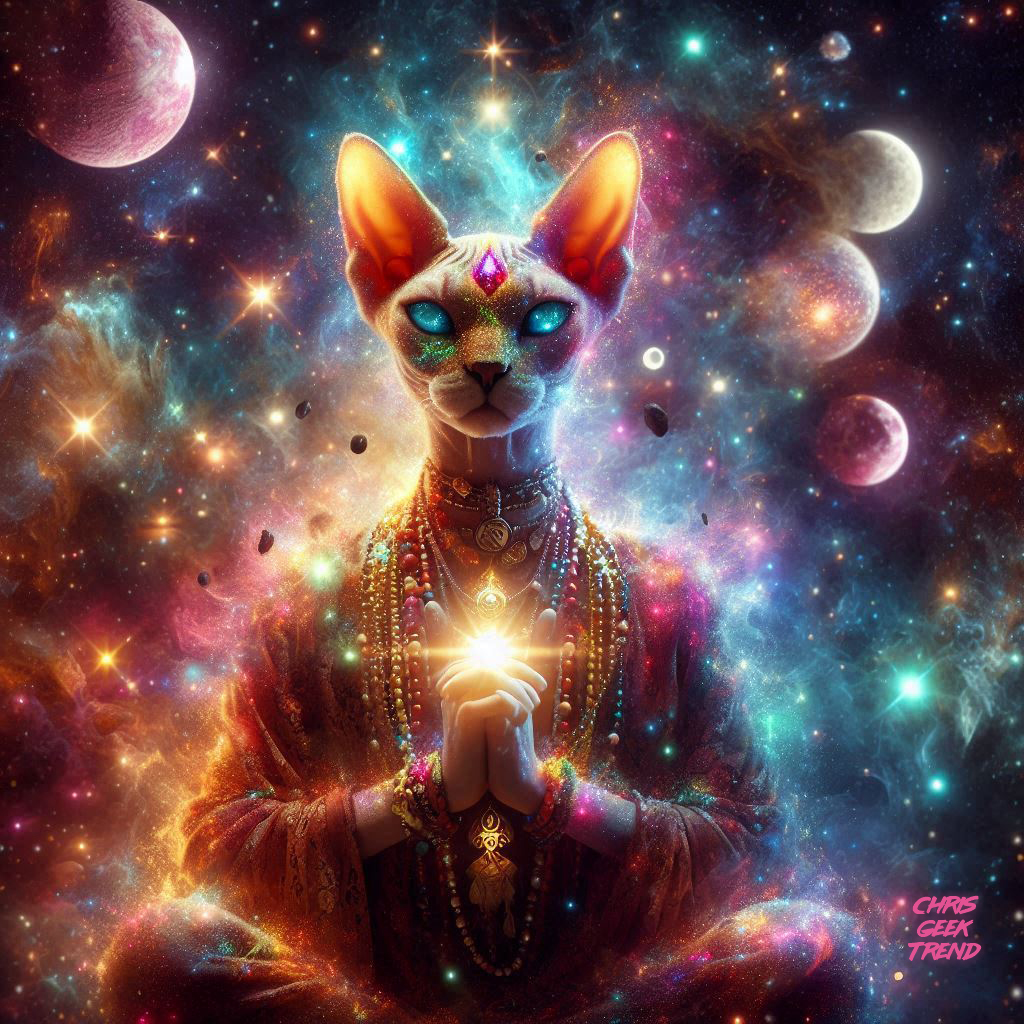
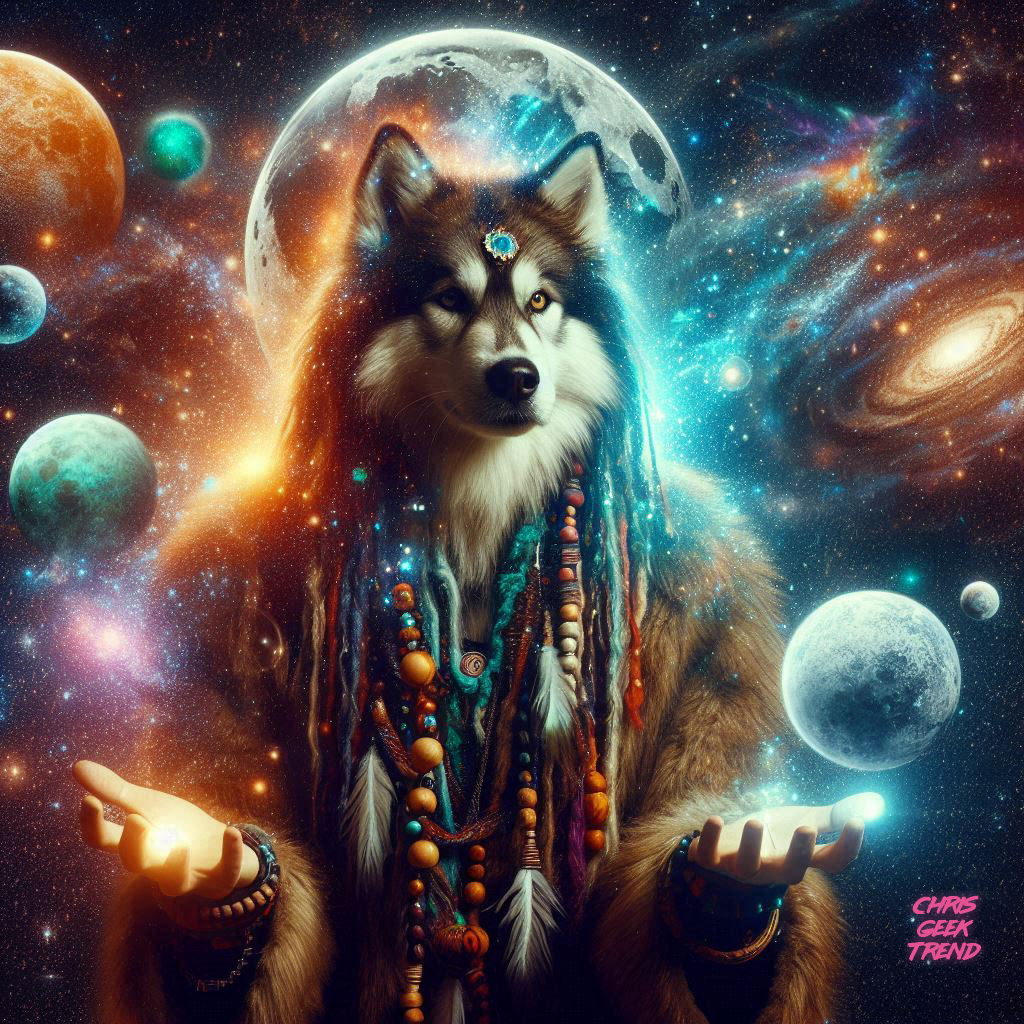
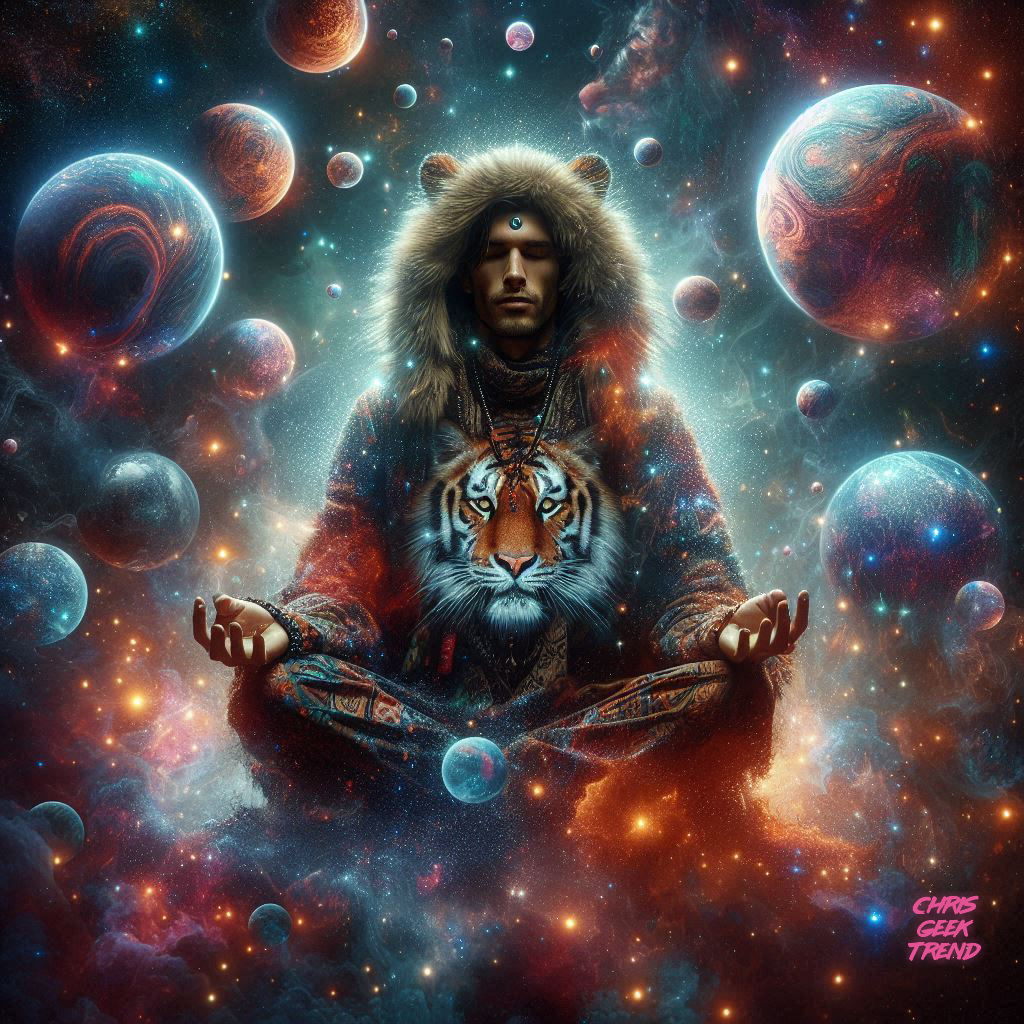

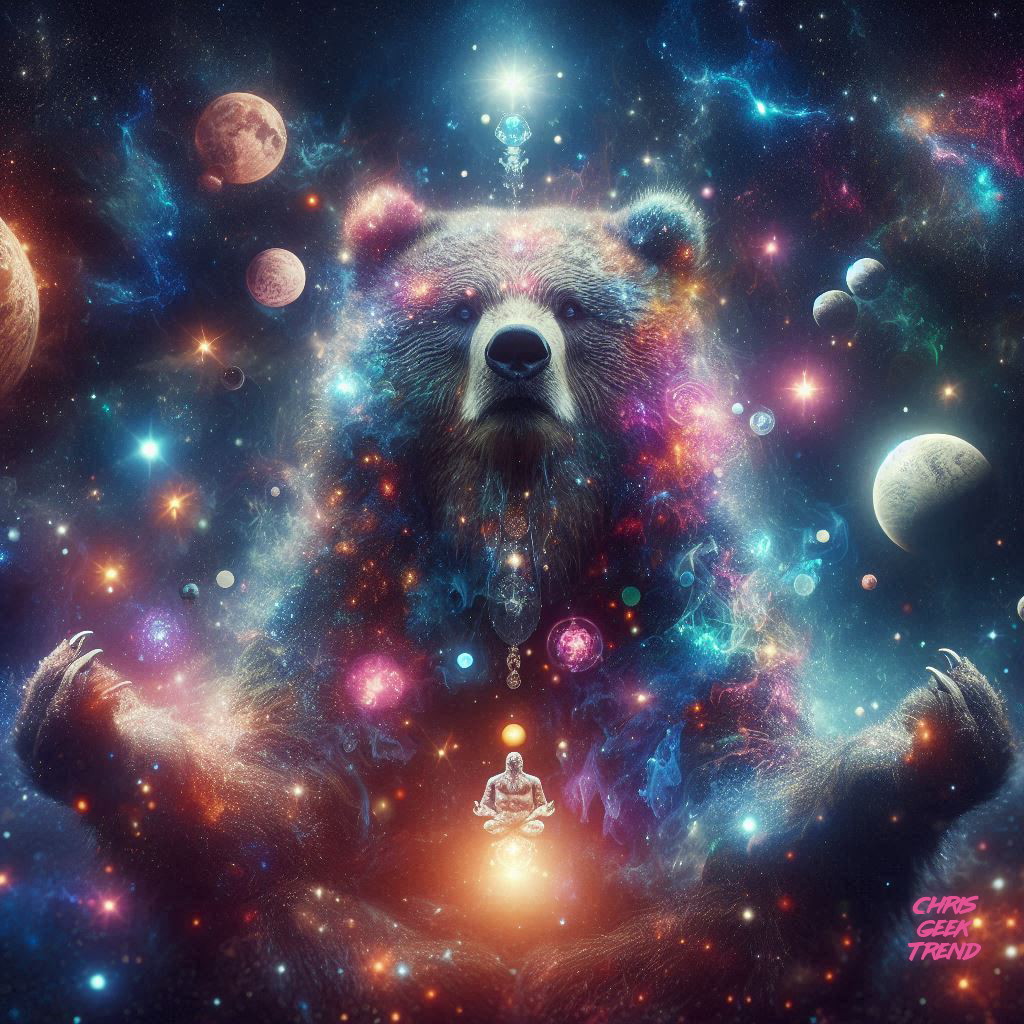


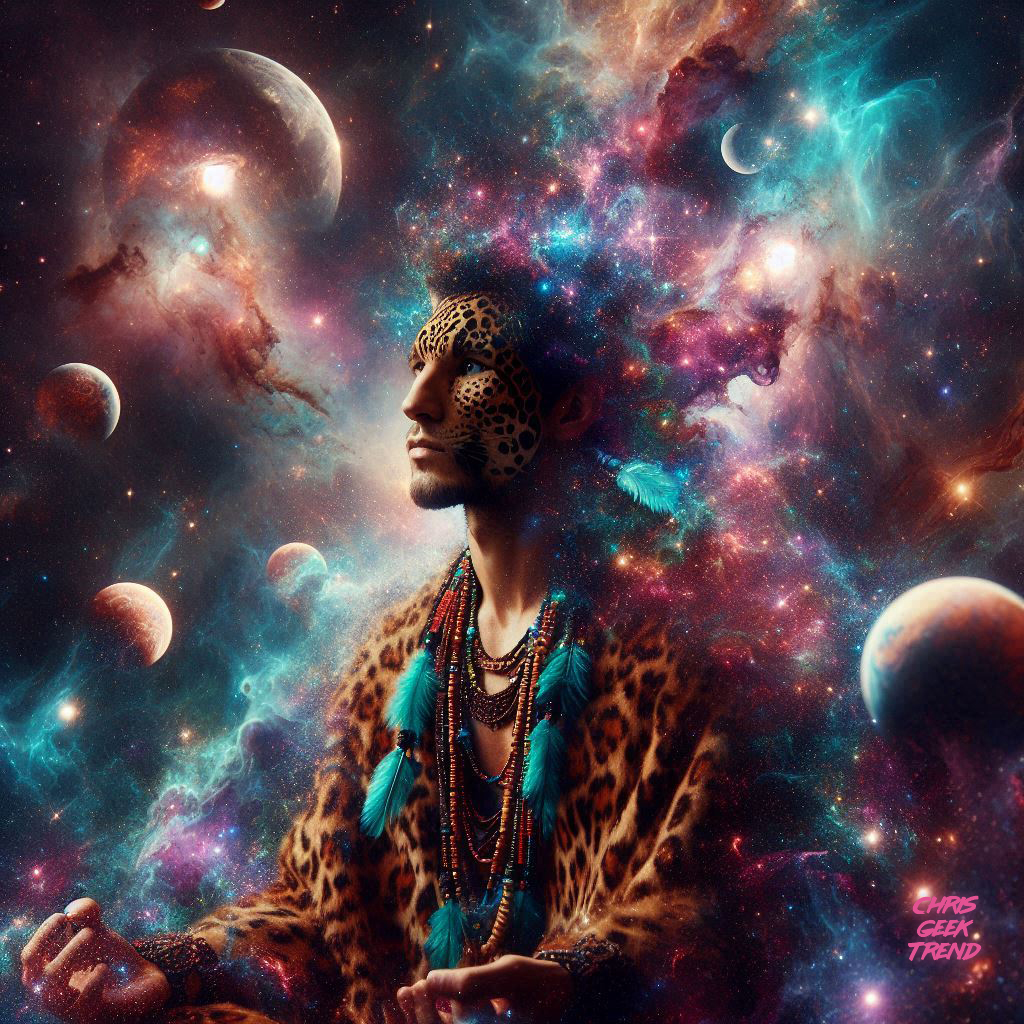
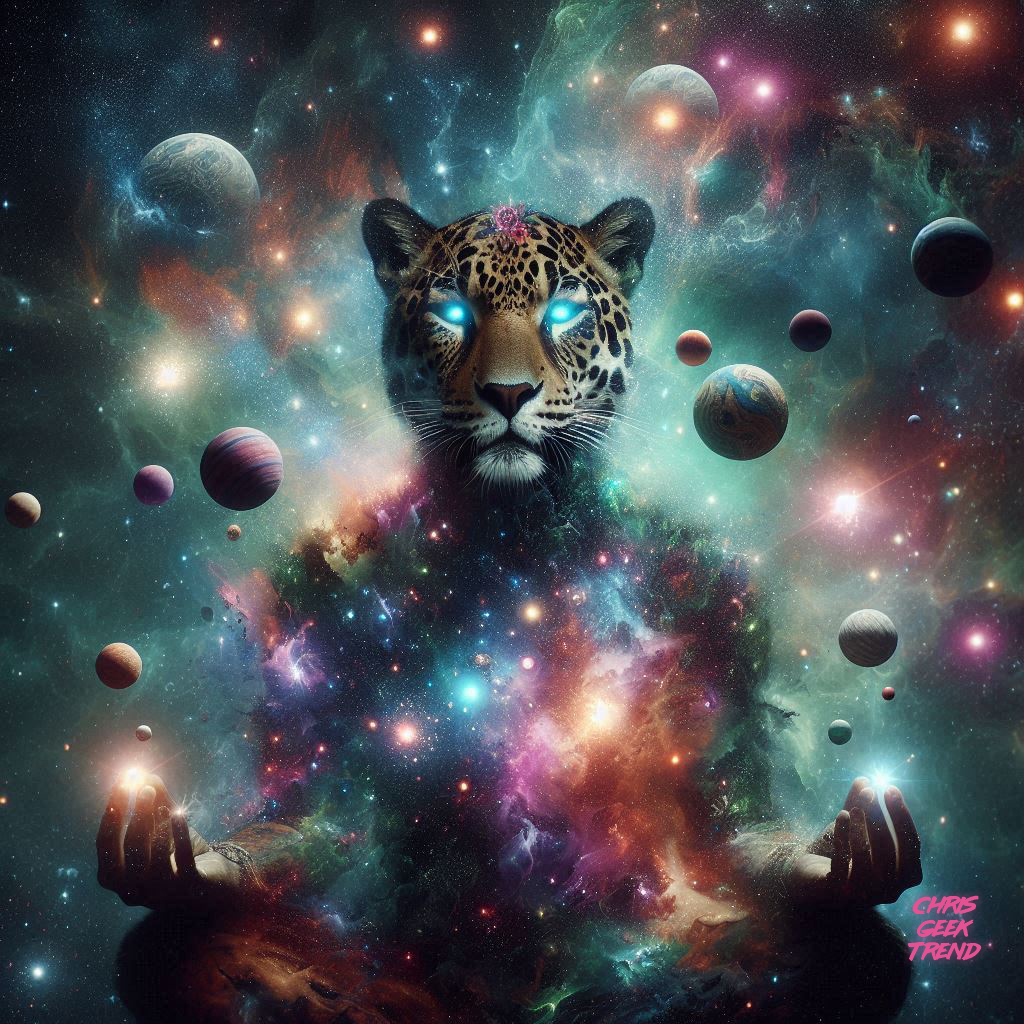

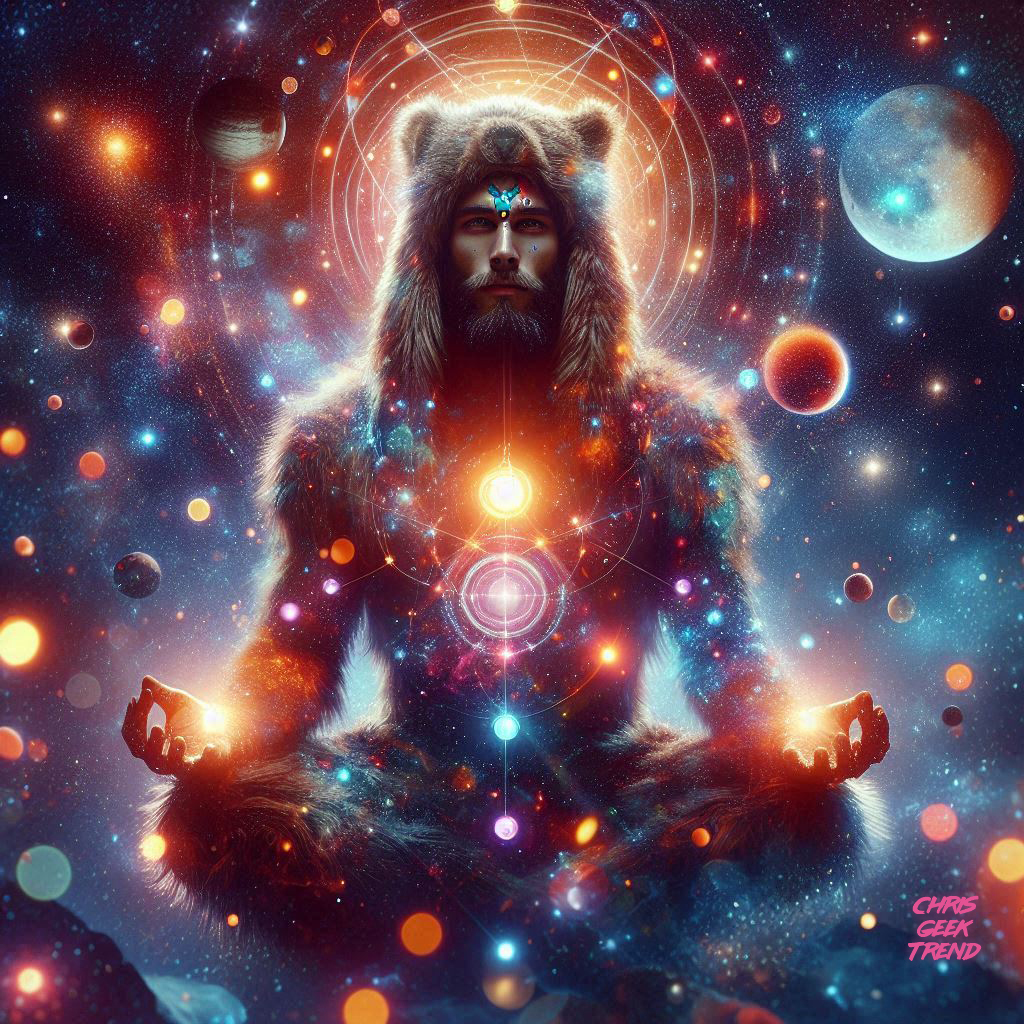
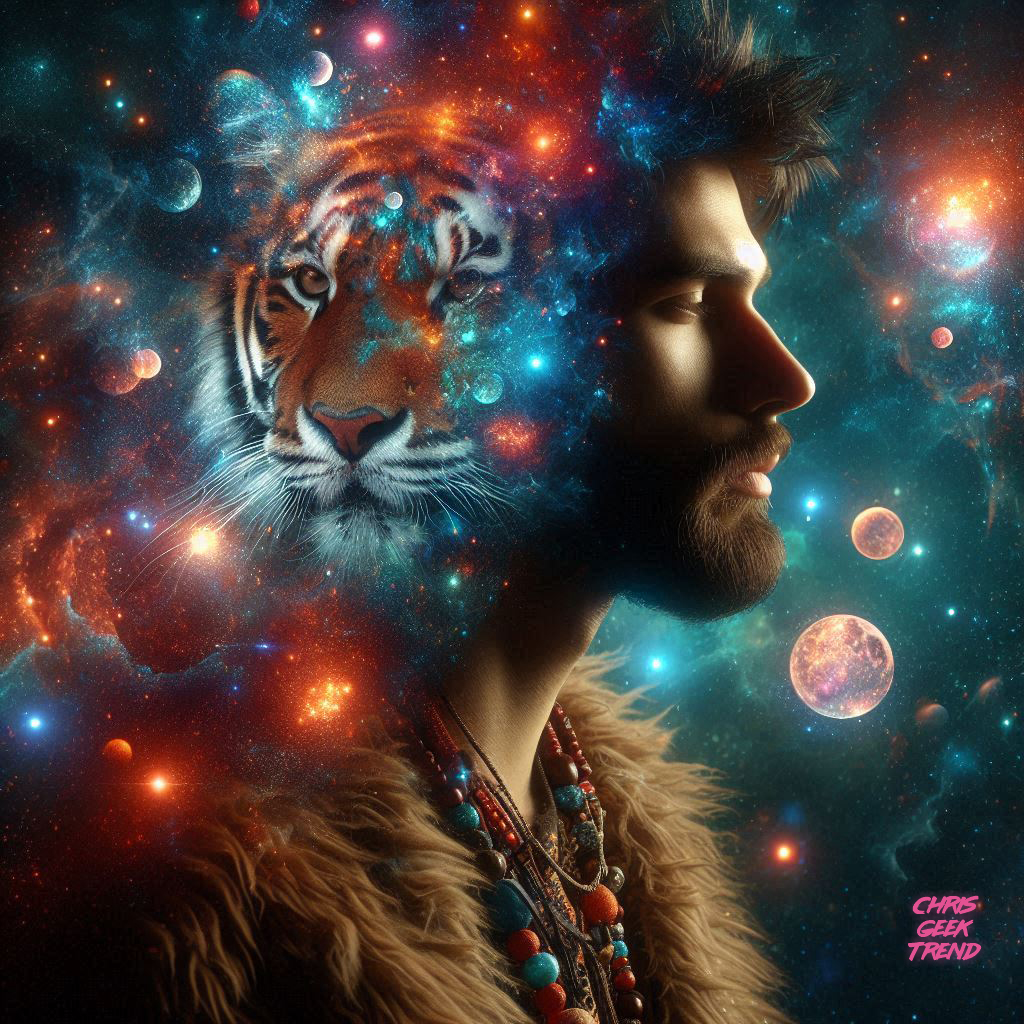
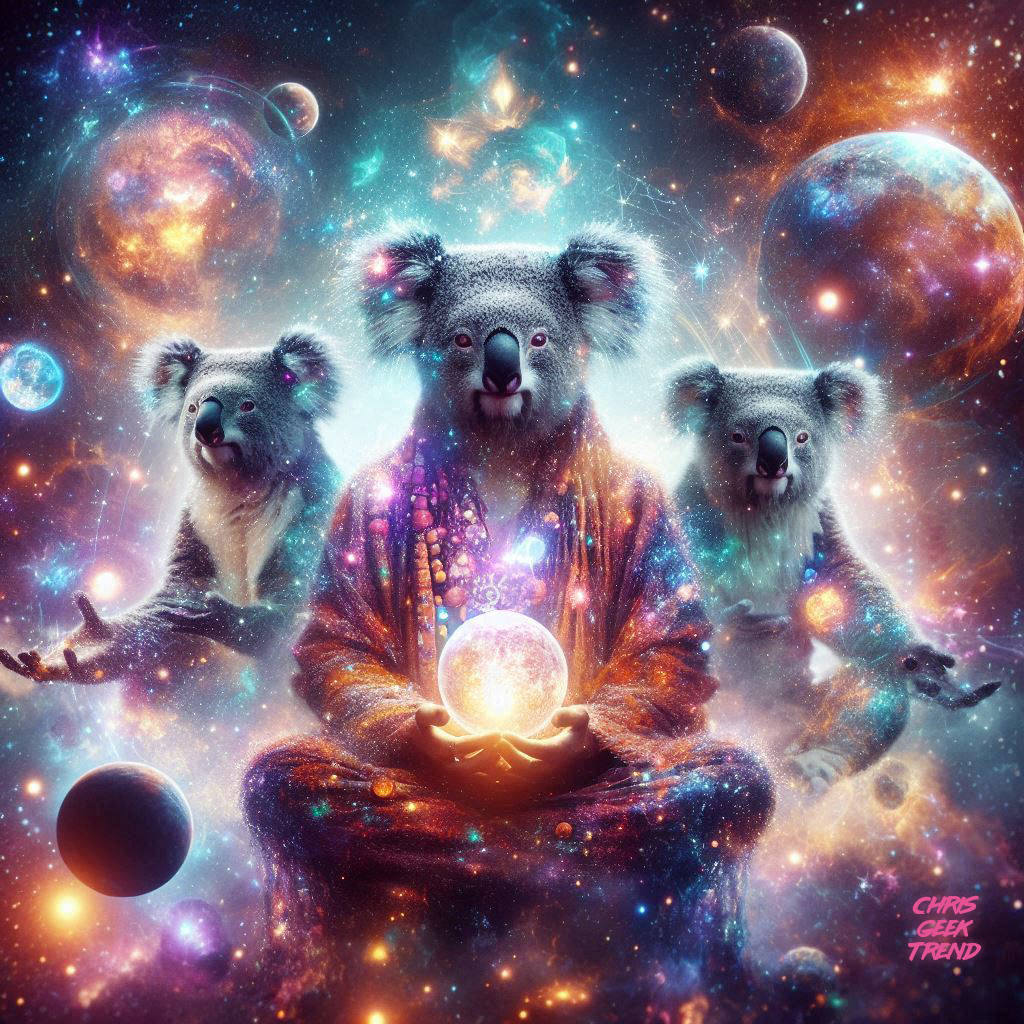
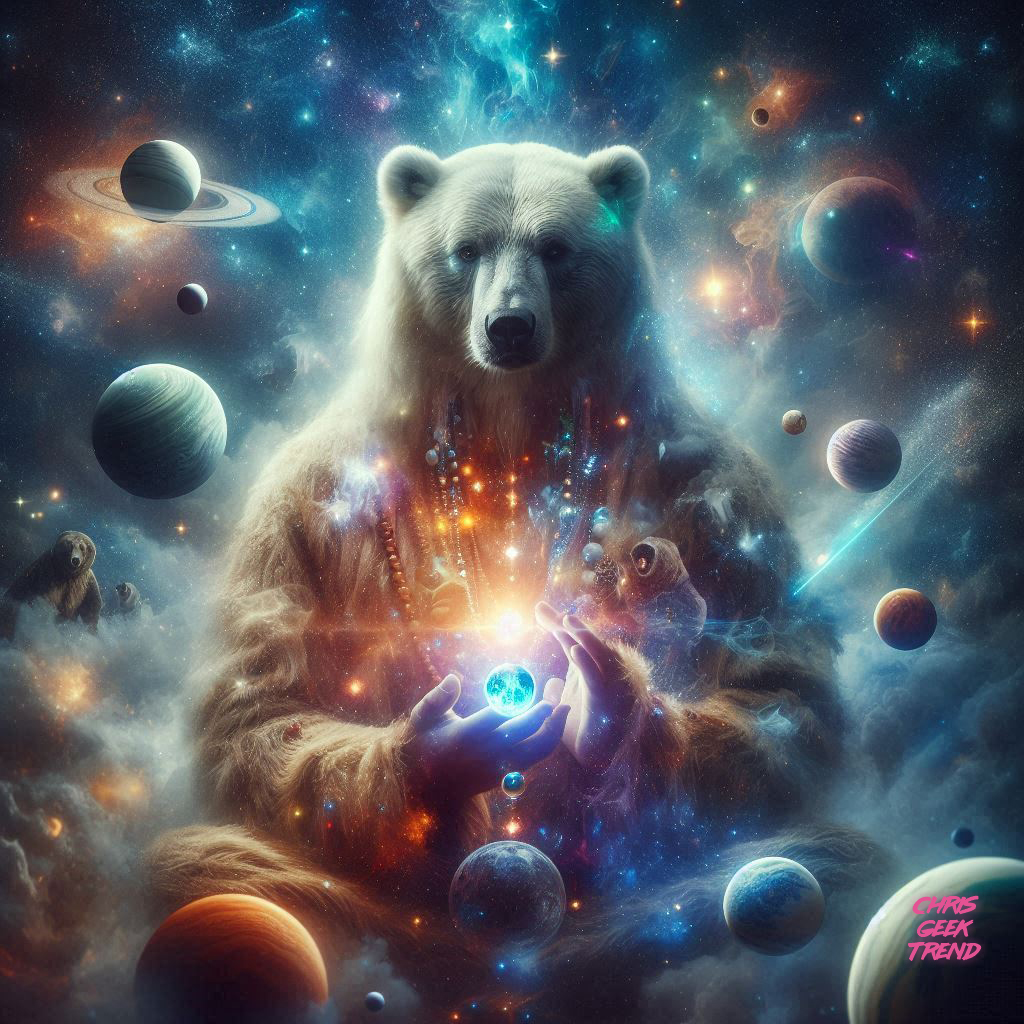
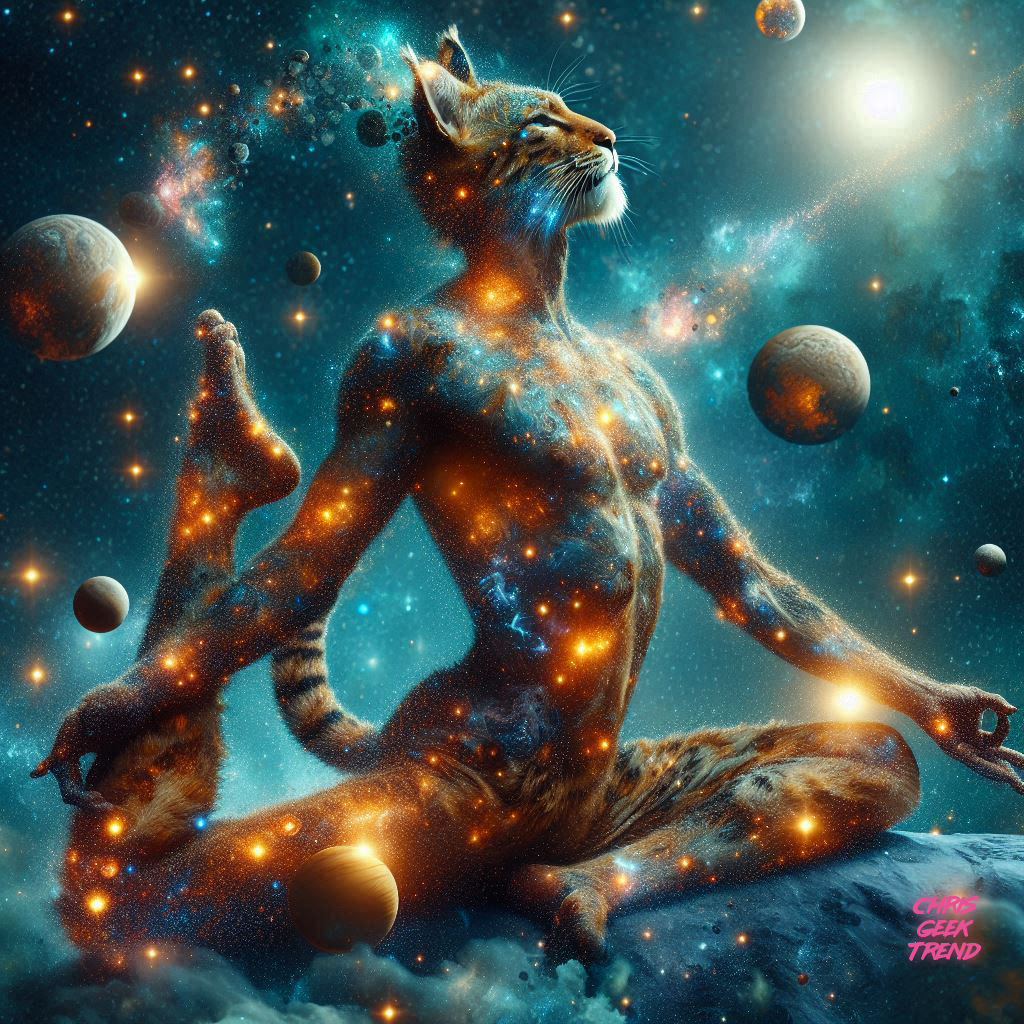


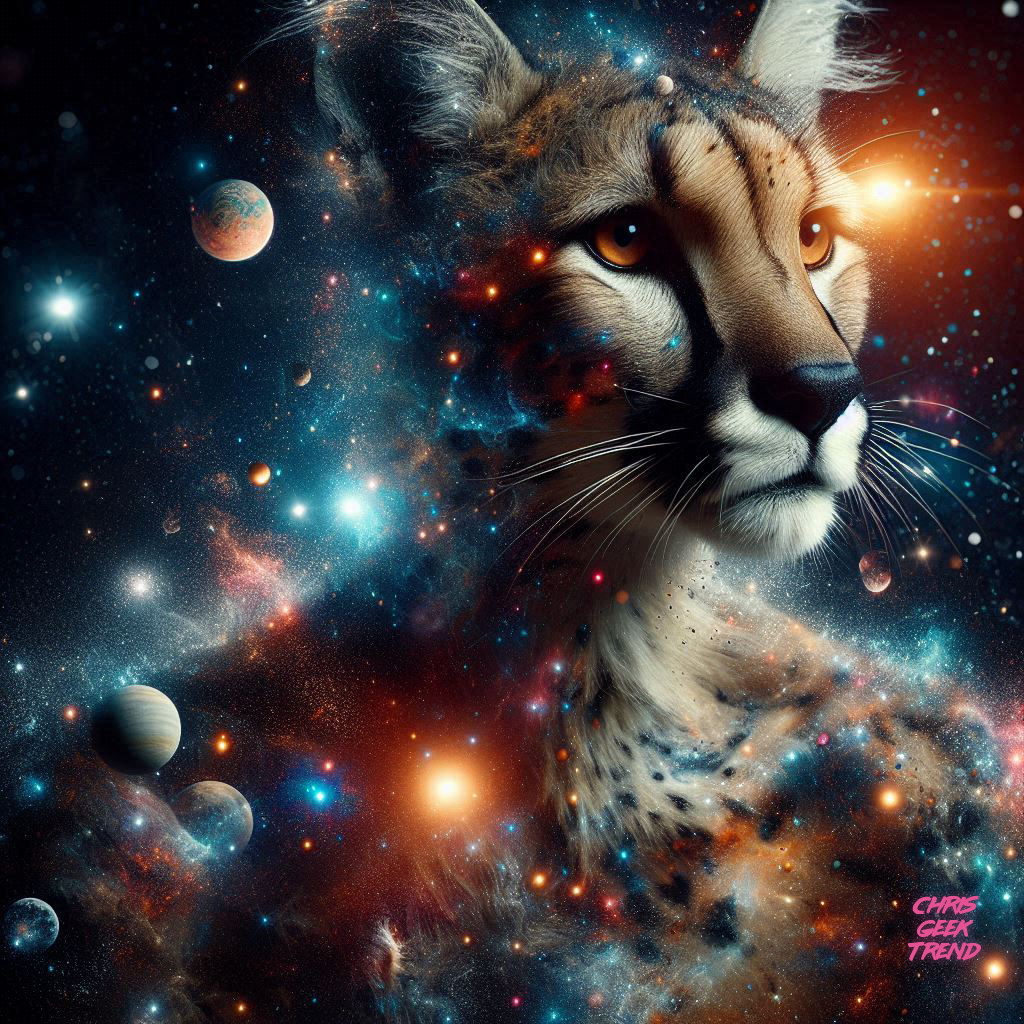

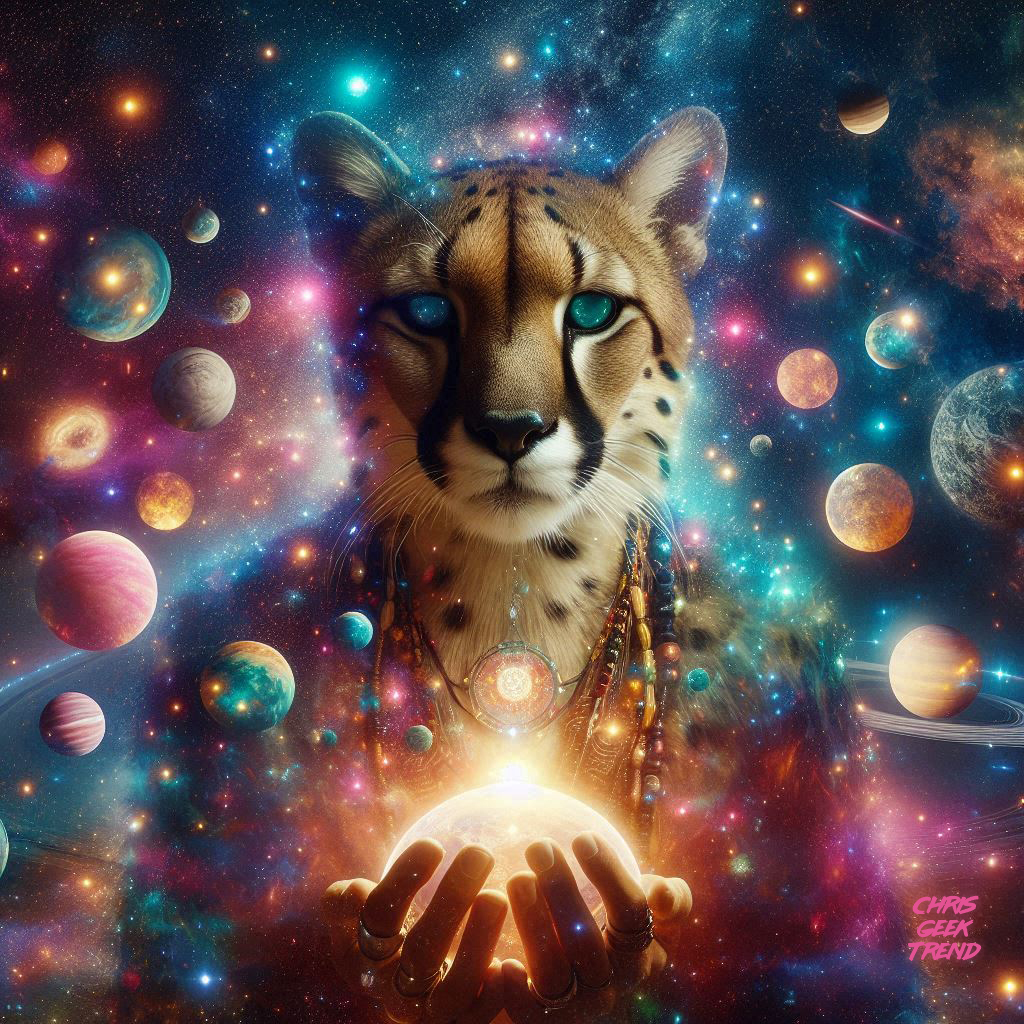
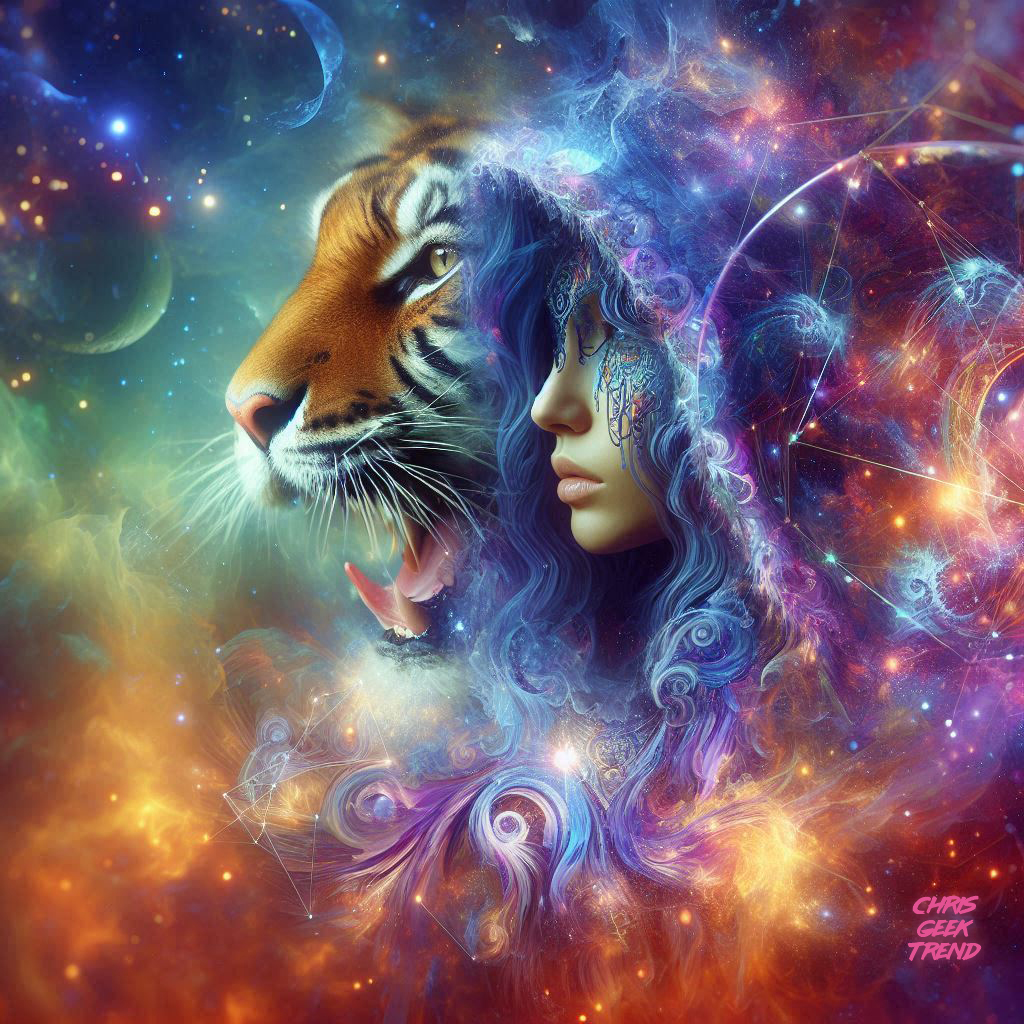
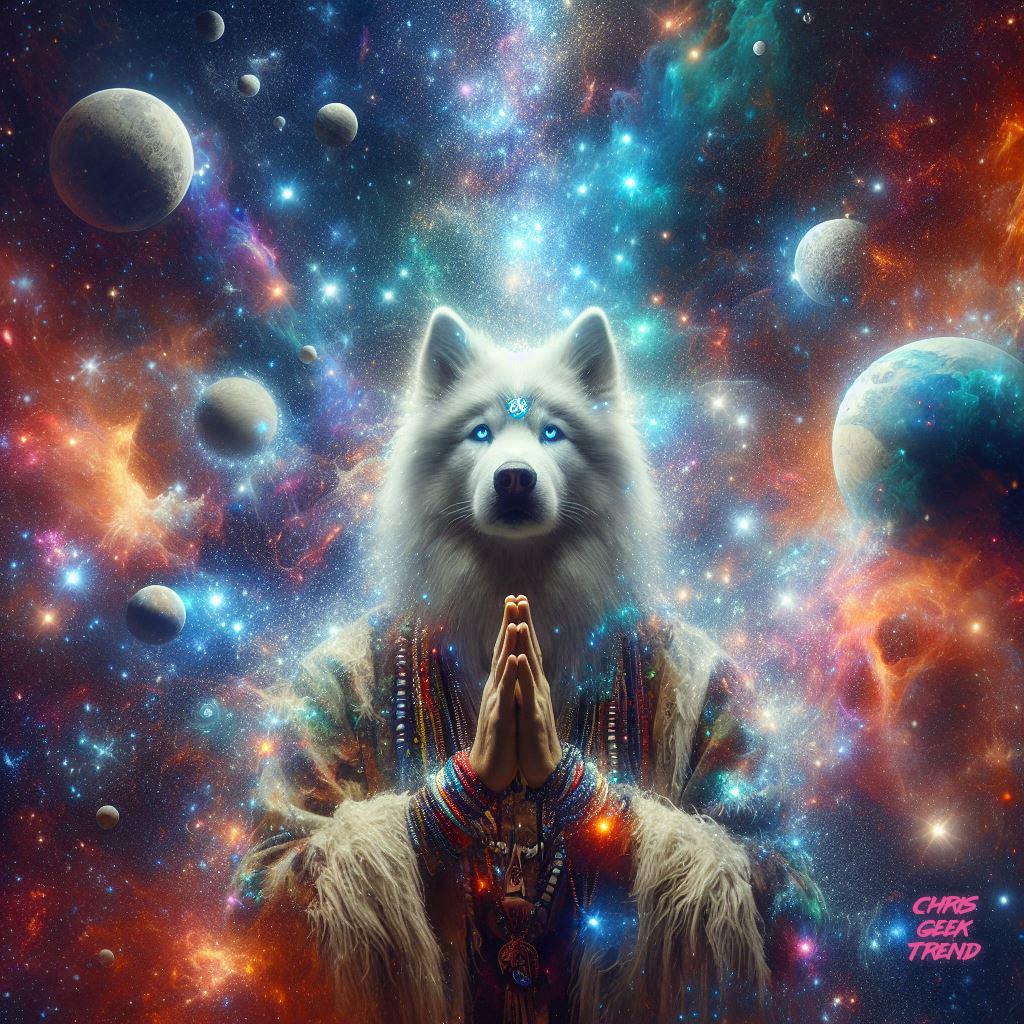
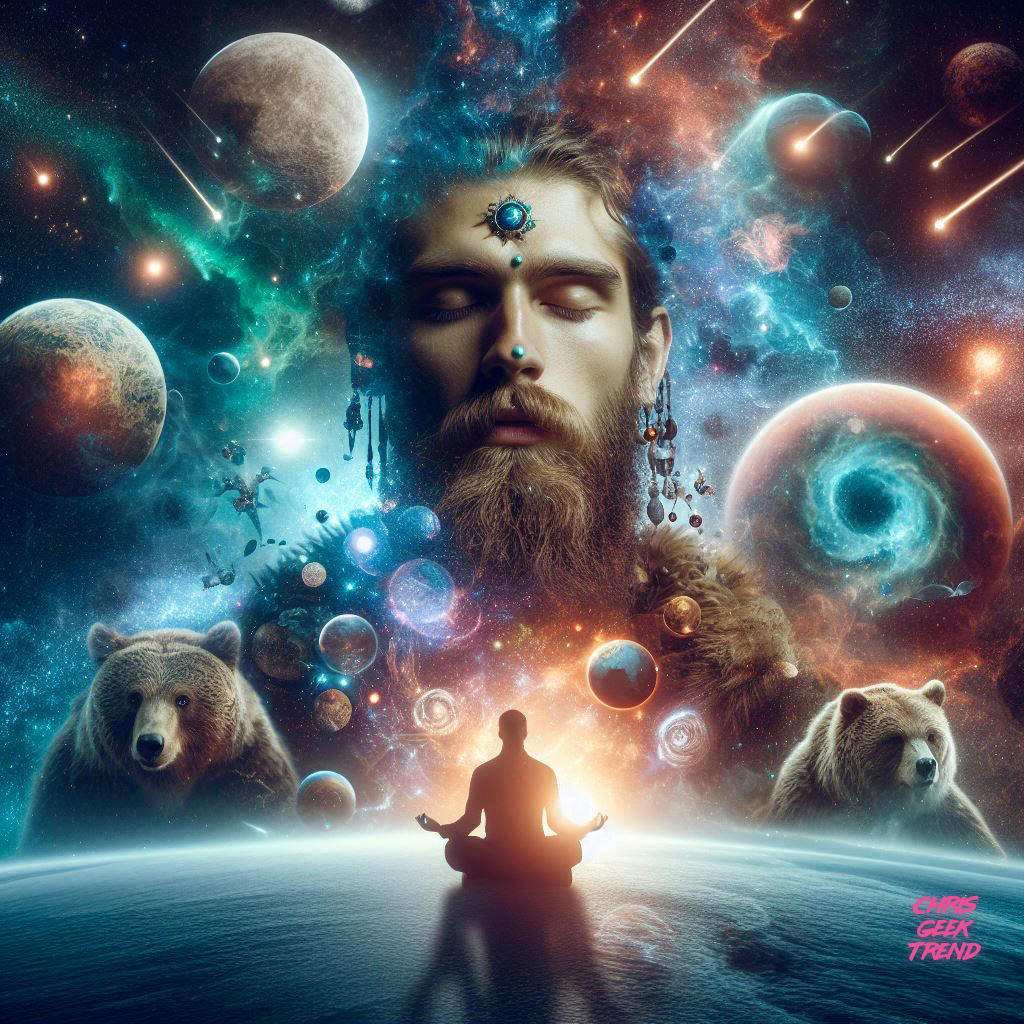
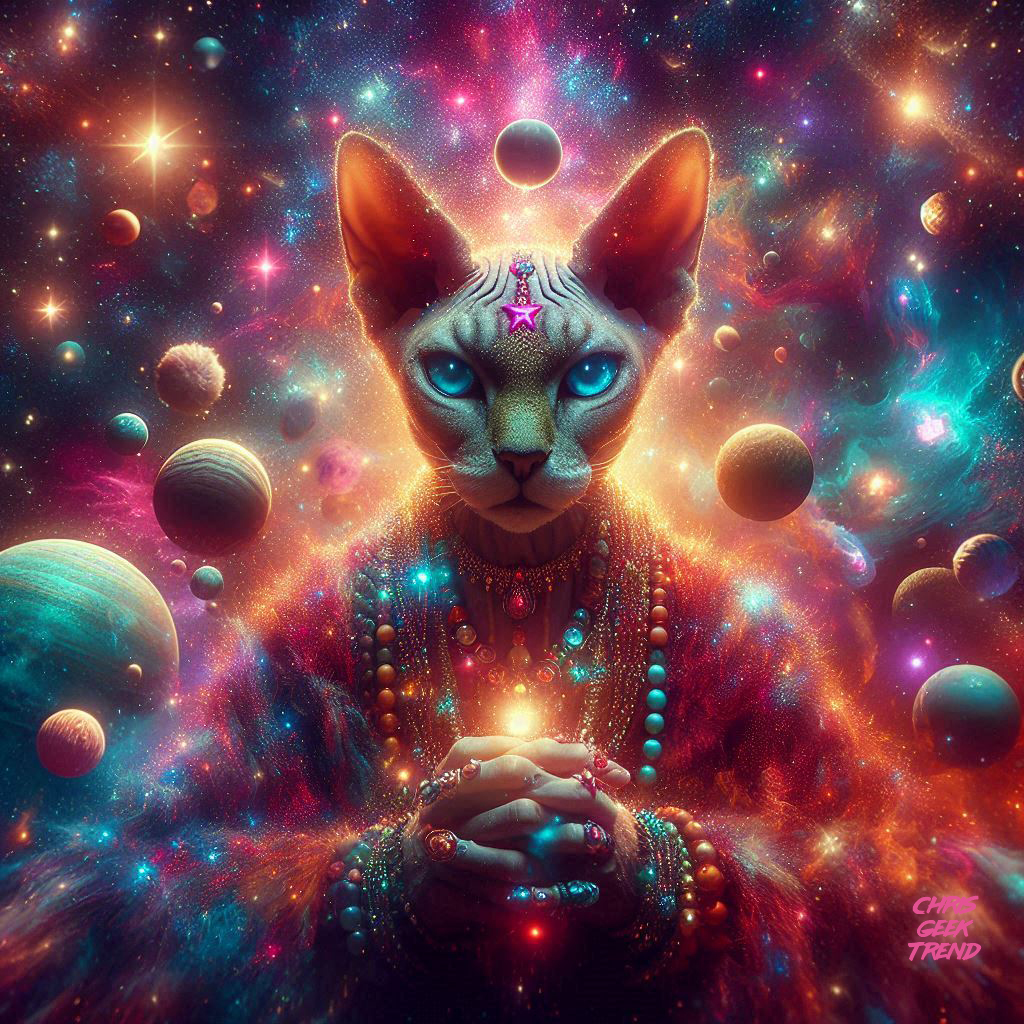
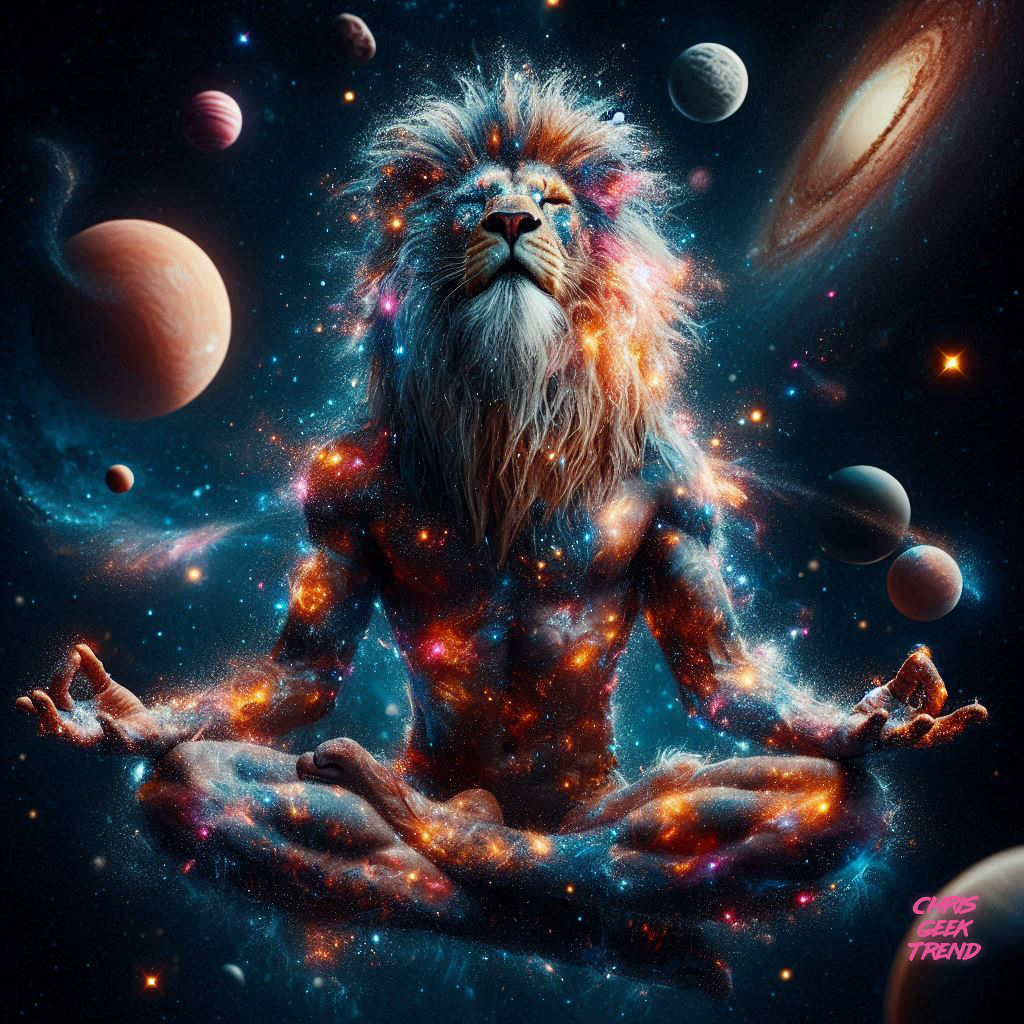
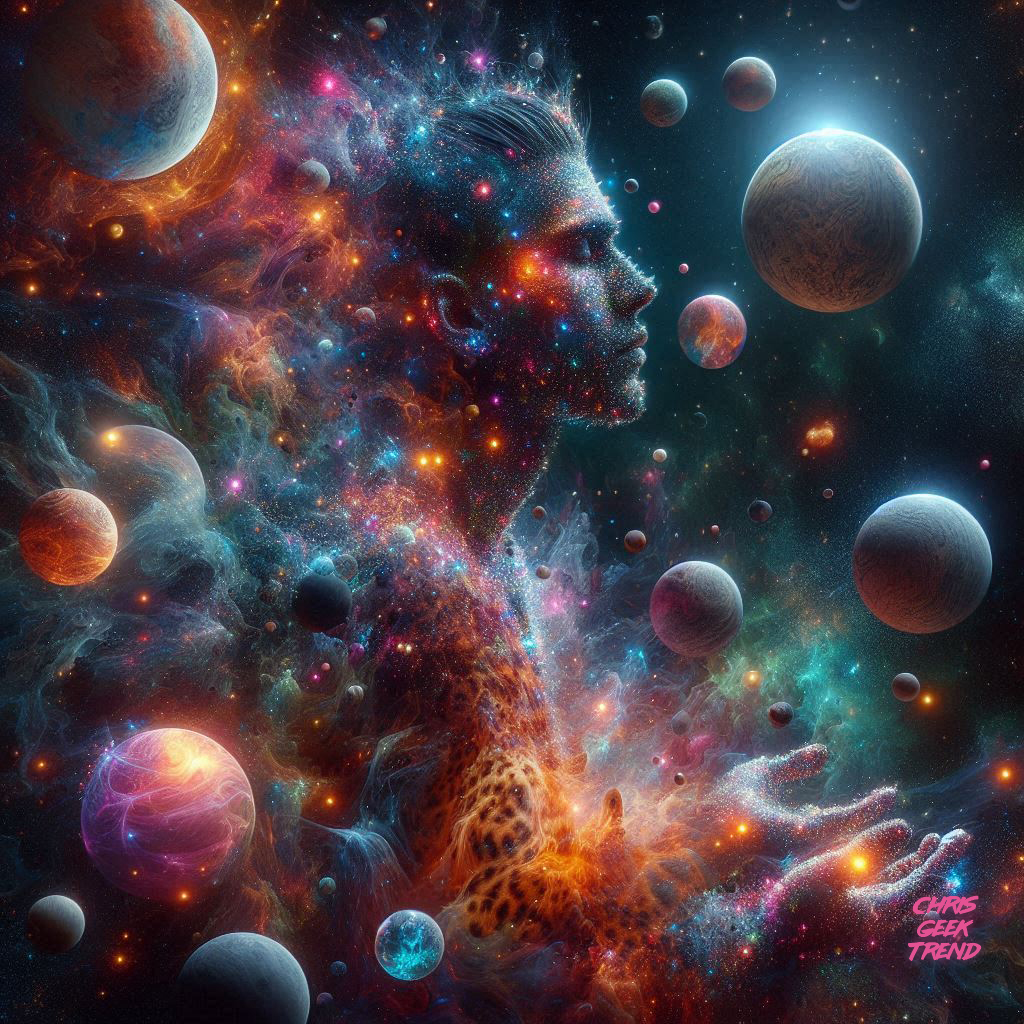
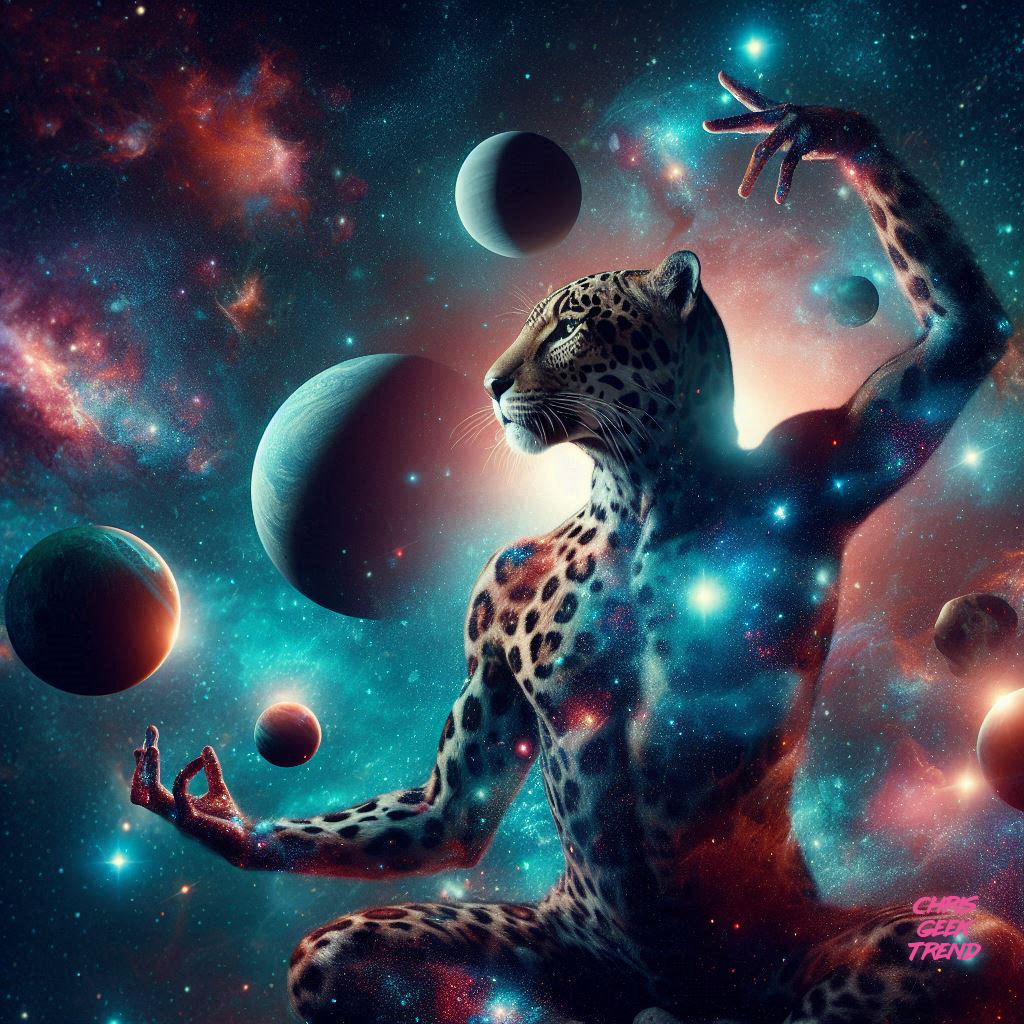

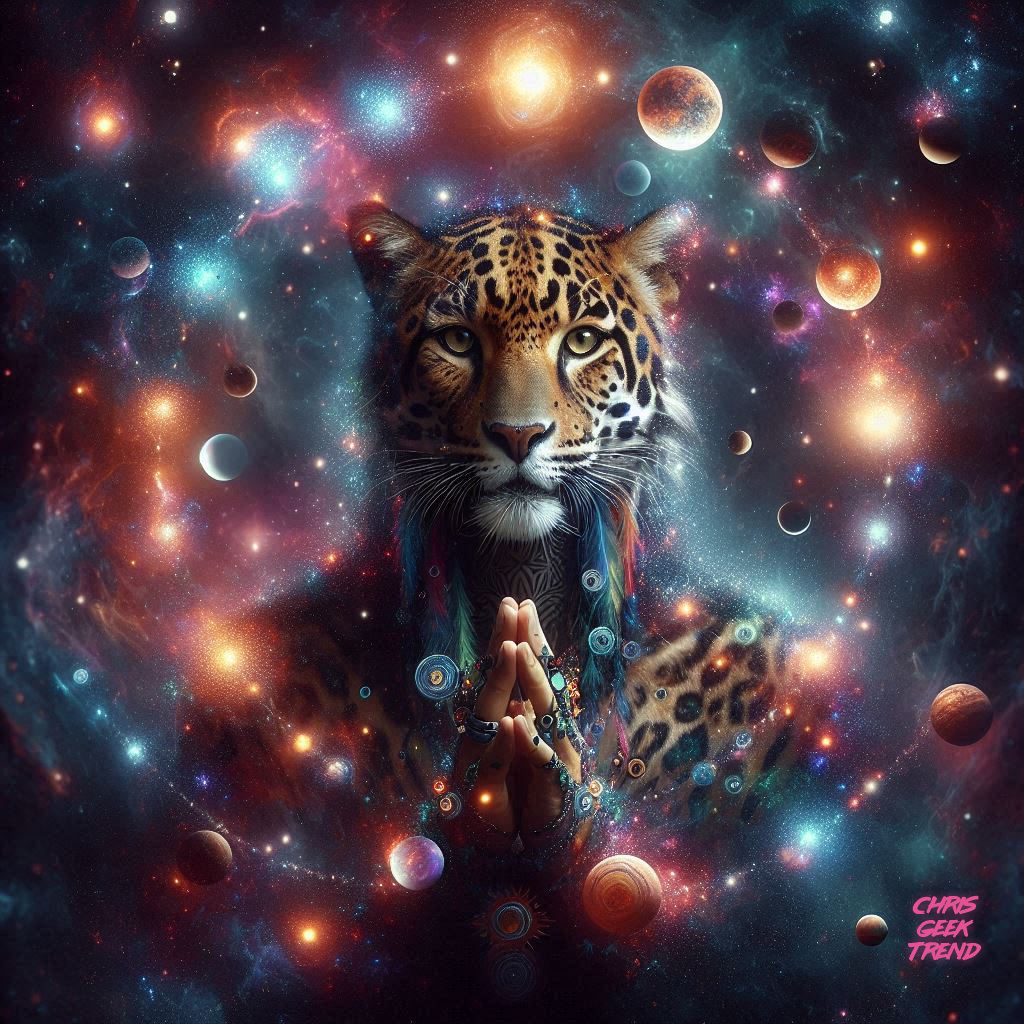






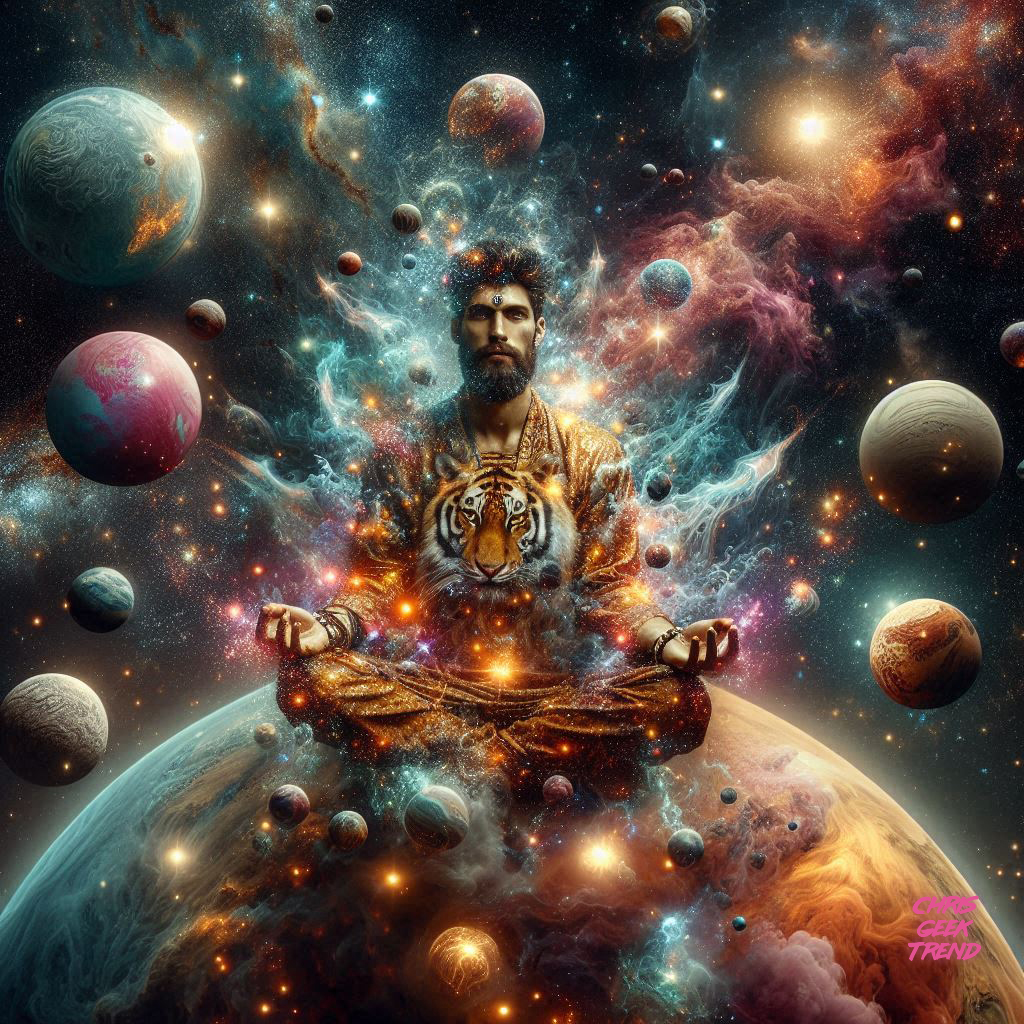
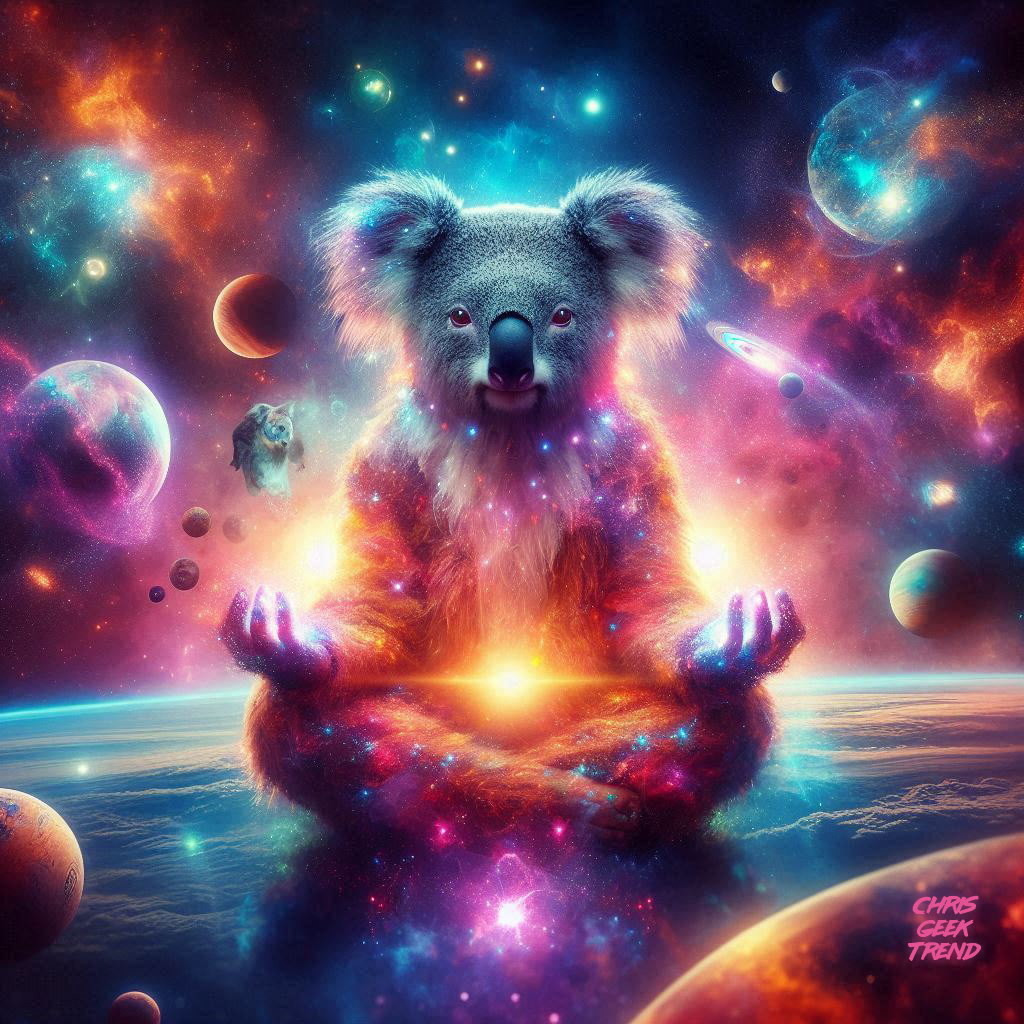

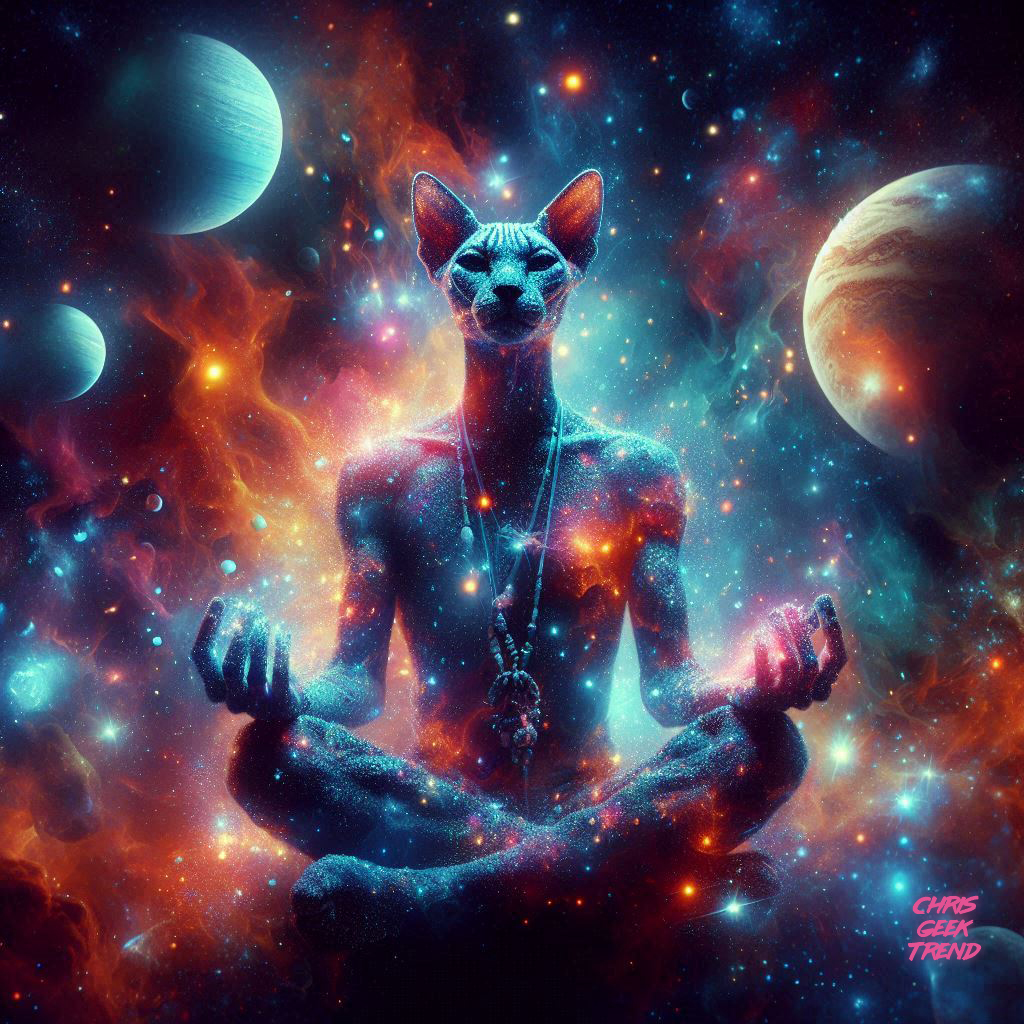
In the heart of the jungle, where the sun weaves golden patterns through the emerald canopy, the true origins of yoga were born. Not from human thought, but from the silent wisdom of the wild. The lithe cheetah, stretching with effortless precision before a hunt. The puma, flowing like liquid shadow through the trees. The lion, poised in a moment of majestic stillness before a mighty roar.
It was the ancient sages who first observed these creatures, mesmerized by their balance, power, and grace. They saw in them a dance of control and surrender, a rhythm that connected body and soul. From the gentle arch of a cat’s back to the meditative stillness of a resting tiger, every movement held a lesson. The great yogis imitated, adapted, and named the poses: the downward dog, the cobra, the lion’s breath—all drawn from nature’s boundless wisdom.
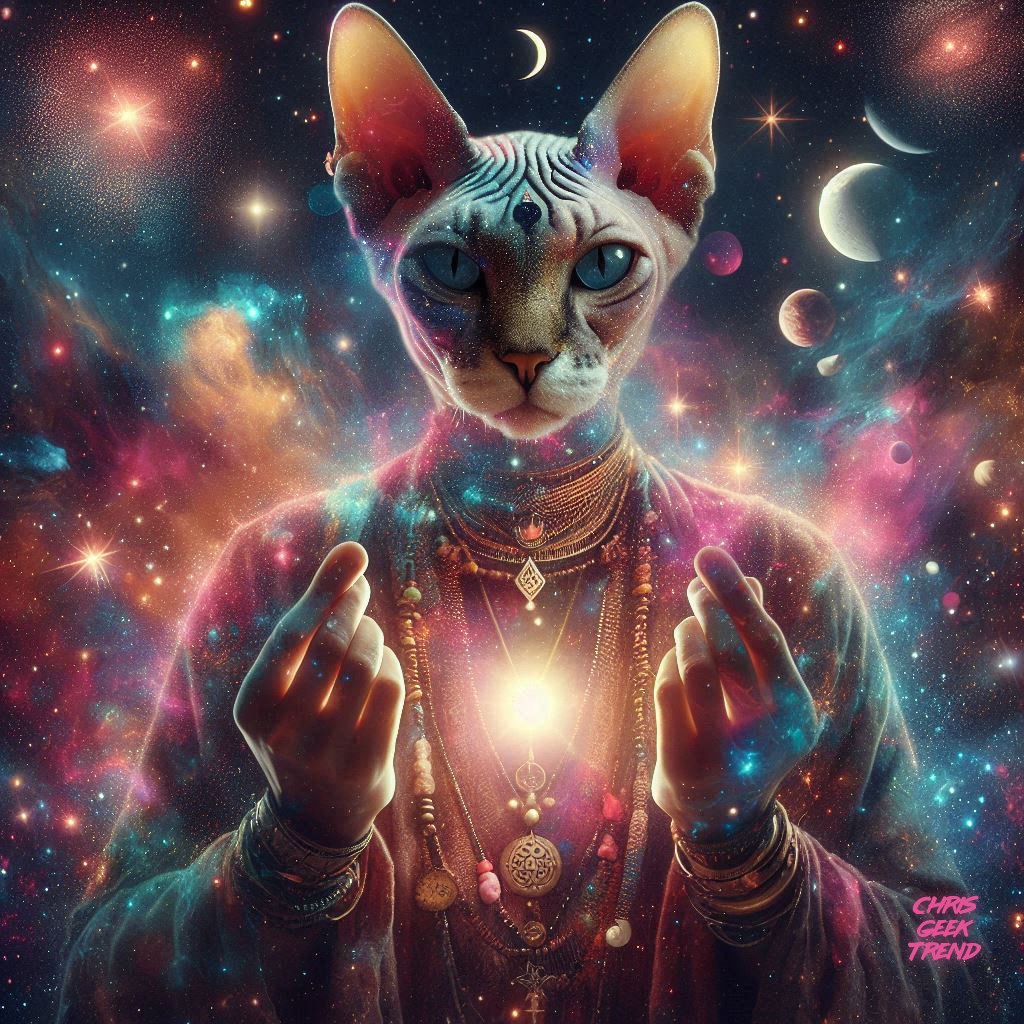
But what if the animals, too, embraced yoga with intention? Imagine a world where elephants found peace in deep breathing, their massive bodies swaying in mindful motion. Where panthers moved through the jungle like living poetry, their every step a moving meditation. Even the smallest creatures—the fox curling into a perfect pose, the owl closing its eyes in deep reflection—each playing a role in the grand tapestry of nature’s flow.
In the quiet of dawn, as the world stirs from slumber, the wild itself practices yoga. The giraffe bows in a graceful stretch, the wolf elongates its spine after a long rest, and the swan glides with serene elegance across mirrored waters. It is a silent, instinctive practice—one that existed long before mats and studios, before chants and teachings.
So perhaps, when we unroll our mats and take a deep breath, we are not just practicing an ancient discipline. We are tapping into something greater—a force that has flowed through the veins of the Earth for millennia. The yoga of the wild, the dance of the untamed spirit, reminding us that true balance comes not from control, but from harmony with the world around us.